Reviewed by the Help Dementia Editorial Team — our editors review every article for accuracy against guidance from the National Institute on Aging, the Alzheimer’s Association, and peer-reviewed sources.
The FAST scale (Functional Assessment Staging Tool) provides a detailed map of dementia progression, and walking loss represents one of its most dramatic milestones. When a person with dementia loses the ability to walk independently, it signals a transition to the later stages of the disease and marks a fundamental shift in caregiving needs. This transition typically occurs in stage 6 of the FAST scale, though the timeline varies significantly from person to person.
For example, a 72-year-old woman with Alzheimer’s disease might maintain independent walking for years while struggling with memory and reasoning, but then lose the ability to walk safely over the course of several months as the disease damages the neural circuits controlling motor function and balance. Understanding when and why walking loss happens is essential for families and caregivers preparing for the physical demands ahead. This is not simply a matter of muscle weakness—it reflects damage to multiple brain systems responsible for movement, coordination, spatial awareness, and executive planning. Recognizing the signs of declining walking ability can help caregivers anticipate safety risks, arrange appropriate mobility aids, and prevent falls that could complicate dementia care significantly.
Table of Contents
- How Does the FAST Scale Define Walking Loss in Advanced Dementia?
- What Physical Changes Accompany Walking Loss in Dementia?
- When Does Walking Loss Typically Occur in Dementia?
- How Should Caregivers Prepare for Decline in Walking Ability?
- What Complications Can Arise from Walking Loss and Immobility?
- The Role of Medications and Conditions That Worsen Gait
- Life Quality and Adaptation in the Later FAST Stages
- Conclusion
How Does the FAST Scale Define Walking Loss in Advanced Dementia?
The fast scale is a validated staging system that tracks functional decline across the spectrum of dementia severity. Walking loss doesn’t appear all at once—it develops gradually through predictable stages outlined in the tool. In stage 5, individuals typically experience mild cognitive decline that affects daily function but still maintain the ability to walk independently with supervision. By stage 6, which subdivides into several substages, the decline accelerates. Early in stage 6, a person might have balance problems and require a walker or cane. As the disease progresses deeper into stage 6, they may need physical assistance from another person to walk, and eventually, they cannot walk at all without significant support. The progression reflects how dementia damages the brain’s motor and cerebellar systems.
Unlike a stroke that causes sudden paralysis, dementia-related walking loss is insidious and multifactorial. The brain loses the ability to coordinate the complex sequence of movements required to walk, maintain balance, and navigate space. Additionally, people with advanced dementia often experience rigidity, where muscles become stiff and resistant to movement, similar to Parkinson’s disease. A 68-year-old man with vascular dementia, for instance, may begin using a cane after falling once, then progress to a walker, then require a caregiver to hold his arm, and eventually become unable to stand without physical support from two people. The FAST scale helps clinicians, families, and researchers communicate clearly about disease stage and predict likely care needs. A person in stage 6 of the FAST scale requires substantially different care arrangements than someone in stage 3 or 4. This staging framework allows healthcare teams to discuss prognosis, plan for equipment needs, and coordinate the transition to appropriate living environments or care levels.

What Physical Changes Accompany Walking Loss in Dementia?
As dementia progresses toward walking loss, the body undergoes several overlapping physical changes that go beyond simple strength decline. Muscle tone increases abnormally—a condition called rigidity—where muscles become persistently stiff. Reflexes change, sometimes becoming exaggerated. Posture often becomes stooped or flexed, with the person leaning forward slightly, which further destabilizes balance. The gait itself changes before walking is lost entirely, becoming shuffling, wide-based, or hesitant. These changes result from damage to multiple brain regions, including the basal ganglia, which help regulate movement planning and automaticity. A critical limitation to understand is that physical therapy and exercise, while still beneficial, cannot reverse these changes once they are driven by advanced dementia. This differs from walking loss caused by stroke or spinal cord injury, where rehabilitation can sometimes restore function.
An 81-year-old woman with advanced Alzheimer’s might spend weeks in physical therapy and still lose the ability to walk safely because the underlying brain damage is progressive and irreversible. However, therapy can slow decline, maintain remaining strength, and prevent complications like contractures (permanent muscle shortening). Without activity, people with advanced dementia develop complications more rapidly—pressure injuries, blood clots, aspiration pneumonia—that can shorten survival. Another warning to recognize: the transition to wheelchair use or bed rest must be managed carefully. Immobility itself creates new problems. Joints stiffen, skin breaks down, circulation diminishes, and the risk of serious infections increases. The goal shifts from restoring function to maintaining comfort, preventing injury, and preserving whatever mobility and dignity remain for as long as possible. Some families find this transition deeply difficult because it represents a visible marker of disease progression.
When Does Walking Loss Typically Occur in Dementia?
The timeline for walking loss varies tremendously depending on the type of dementia and individual factors. Alzheimer’s disease, the most common type, often allows independent walking for several years after diagnosis before walking loss becomes prominent. Vascular dementia, caused by multiple strokes, can produce more abrupt changes in mobility because strokes damage specific brain areas suddenly. Frontotemporal dementia may involve gait changes earlier in the disease course because it affects the frontal and temporal lobes, which regulate movement and judgment. Lewy body dementia frequently includes motor symptoms earlier, sometimes resembling Parkinson’s disease, with stiffness and balance problems appearing before significant memory loss.
From diagnosis to walking loss typically takes three to eight years in Alzheimer’s disease, though some people maintain walking ability for ten years or more. Age, overall health, nutritional status, and the presence of other conditions like Parkinson’s disease or stroke history all influence the pace of decline. A 60-year-old with early-onset Alzheimer’s and no other health problems might walk independently for eight or more years. By contrast, an 85-year-old with Alzheimer’s disease, high blood pressure, diabetes, and a history of falls might lose walking ability in just two or three years. These variations make it impossible to predict exactly when walking loss will occur in any individual, though general staging helps frame the likely window.

How Should Caregivers Prepare for Decline in Walking Ability?
Preparation begins with recognizing early warning signs of balance and gait problems. These include shuffling steps, unsteady gait, difficulty turning in tight spaces, fear of falling, or pulling to one side while walking. Many families install grab bars, remove tripping hazards like loose rugs, improve lighting, and arrange furniture to create clear pathways months or even years before walking loss becomes complete. This proactive approach prevents dangerous falls and extends the period during which independent or semi-independent walking remains possible. Equipment choices represent an important tradeoff in dementia care.
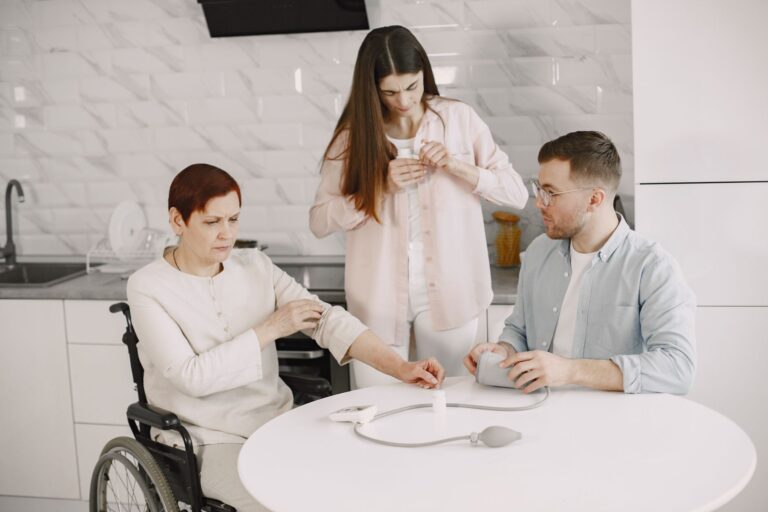
A cane requires coordination and judgment that someone with advanced dementia may lack, so it sometimes increases rather than decreases fall risk. A walker provides more stability but requires more cognitive awareness to use properly. Gait belts—special belts that a caregiver holds—offer safety and support while allowing more dignity and exercise than complete dependence. Wheelchairs are necessary for some, but they should be introduced thoughtfully because rolling about in a wheelchair requires different cognitive and physical skills than walking. Some people transition to wheelchair use smoothly; others become more confused or frustrated by it. The comparison is worth making explicitly with the care team: a person who falls frequently while walking might be safer in a wheelchair despite the loss of walking, but that safety must be weighed against their preferences, dignity, and ability to adjust to the change.
What Complications Can Arise from Walking Loss and Immobility?
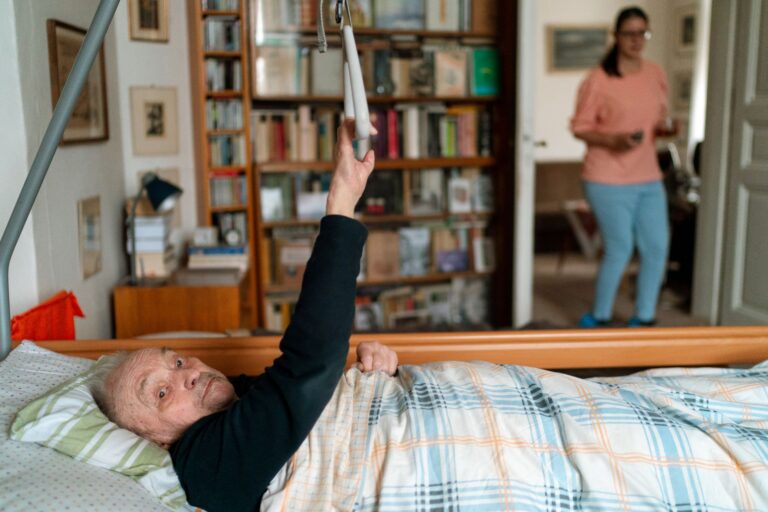
Loss of walking ability opens the door to a cascade of complications if not managed actively. Pressure injuries (bedsores) develop when a person remains in one position too long without relief. These injuries start as redness and progress to open wounds that are painful and prone to serious infection. Pneumonia becomes more likely because immobile people cannot clear secretions from their lungs effectively. Deep vein thrombosis—blood clots in the legs—can develop and potentially travel to the lungs, which is life-threatening. Contractures, where joints become permanently bent and unusable, develop over weeks or months without movement and stretching.
Malnutrition and dehydration worsen because eating and drinking become more difficult when someone cannot move independently. A key warning: many people with advanced dementia cannot communicate pain clearly, so caregivers must watch for behavioral changes that indicate problems. Agitation, crying, or refusal to eat might indicate pressure injury pain, infection, or other complications rather than worsening behavior. Regular skin checks, repositioning at least every two hours, passive range-of-motion exercises (moving the person’s limbs through their full range of motion), and careful attention to nutrition can prevent many of these complications. A person with advanced dementia who is immobile but receives excellent skin care, frequent position changes, and good nutrition may live quite comfortably for months or years. By contrast, someone without these interventions can develop serious complications within weeks.
The Role of Medications and Conditions That Worsen Gait
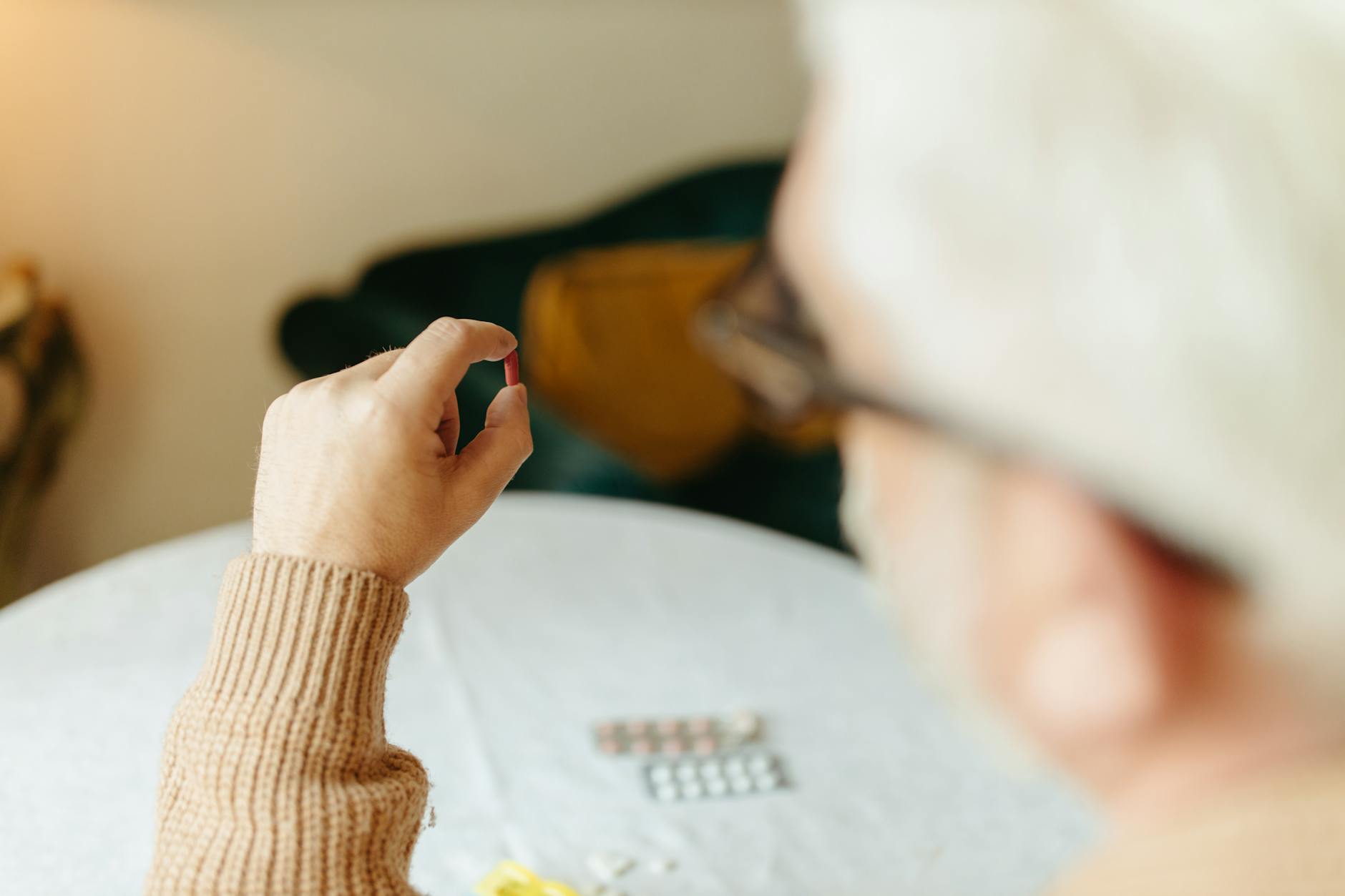
Certain medications used for behavior management or other conditions can worsen balance and gait problems in dementia. Antipsychotics, sometimes prescribed for agitation or aggression, increase fall risk and can hasten walking loss. Sedating medications, pain relievers, and some blood pressure medications affect balance and coordination. Additionally, people with dementia often have multiple health conditions—Parkinson’s disease, stroke, arthritis, vision loss, or inner ear problems—that independently affect walking and compound the mobility challenges created by dementia itself.
A person with both Alzheimer’s disease and Parkinson’s disease experiences much earlier and more severe walking problems than someone with Alzheimer’s alone. This overlap highlights why a comprehensive medical evaluation is important when walking problems emerge. Some treatable conditions can be addressed: correcting vision with proper glasses, treating anemia, managing pain, or adjusting medications might improve walking ability or slow its decline. The limitation is that once dementia has caused significant motor system damage, these medical interventions cannot restore function, but they may help preserve whatever walking ability remains.
Life Quality and Adaptation in the Later FAST Stages
Reaching the stage of walking loss in dementia represents a profound transition, but it is not the end of meaningful life or the immediate end of life itself. People in advanced stages of dementia can still experience comfort, connection with loved ones, enjoyment of music or physical touch, and moments of recognition or contentment. The focus of care shifts from restoring function to supporting quality of remaining life.
Comfort, dignity, and connection become the paramount goals. Families often report that accepting the reality of walking loss and embracing what remains possible—whether that is presence, comfort care, or simply sitting together—becomes a turning point that reduces stress and improves the final months or years of care. Advanced dementia is a long goodbye, and while walking loss marks a significant threshold, it is one of many milestones in a disease process that continues to unfold gradually. With good care, attention to comfort, and realistic expectations, this stage can be navigated with both compassion and practical skill.
Conclusion
Walking loss in dementia, as tracked by the FAST scale, reflects deep brain damage that progressively impairs movement, balance, and the coordination required for independent walking. This decline typically occurs years into the disease course, though timing varies based on dementia type and individual factors. The transition requires caregivers to shift from maintaining independence to preventing complications, managing comfort, and supporting safety and dignity in a new mode of daily life.
Preparation, understanding the warning signs, and proactive management of mobility and health challenges can extend walking ability and maintain quality of life. When walking loss does occur, skilled care focused on preventing pressure injuries, maintaining proper positioning, preserving muscle function through passive exercise, and supporting emotional and social connection allows people with advanced dementia to live comfortably in this later stage. Speaking openly with the healthcare team about goals, preparing the home environment, and arranging appropriate equipment and care support helps families navigate this transition with confidence and compassion.