Reviewed by the Help Dementia Editorial Team — our editors review every article for accuracy against guidance from the National Institute on Aging, the Alzheimer’s Association, and peer-reviewed sources.
Home hazards pose a fundamentally different threat to people with dementia than to other aging adults. As cognitive abilities decline, the ability to recognize danger, remember safety rules, or respond appropriately to emergencies diminishes—even in familiar environments. A person with dementia may not understand why a staircase is dangerous, may forget that the oven is on, or may not recognize a spilled substance as a hazard to avoid. This cognitive-safety gap means that homes requiring only basic modifications for other older adults often need substantial environmental redesign for someone with dementia.
The statistics underscore this risk. Falls are the leading cause of unintentional injury death among older adults, but the incidence is significantly higher in those with dementia and cognitive impairment. One person with early-stage Alzheimer’s disease might trip over a rolled-up rug they’ve stepped over safely for decades, not because their physical ability changed dramatically, but because they’ve lost the automatic cognitive processing that once kept them safe. Another might wander into an unsecured garage and consume chemicals they would never have touched when their judgment was intact. Understanding how specific home hazards interact with dementia-related cognitive, motor, and behavioral changes is the first step toward creating an environment that compensates for lost abilities rather than relying on awareness that may no longer be present.
Table of Contents
- What Cognitive Changes Make Homes More Dangerous for People with Dementia?
- Falls, Slips, and Cognitive Navigation Challenges in Home Spaces
- Kitchen Hazards and the Ability to Use Appliances Safely
- Securing Bathrooms and Wet Areas to Prevent Slips and Medication Errors
- Wandering, Exit-Seeking, and the Confusion of Familiar Doors and Hallways
- Medications, Toxins, and Accidental Poisoning at Home
- Surveillance Technology and the Future of In-Home Safety for Dementia
- Conclusion
- Frequently Asked Questions
What Cognitive Changes Make Homes More Dangerous for People with Dementia?
dementia affects multiple cognitive domains that work together to keep us safe at home: memory, judgment, visual-spatial awareness, impulse control, and the ability to recognize and respond to danger. A person without cognitive impairment sees a wet floor and consciously decides to walk carefully around it. Someone with dementia may not register the spill, or may see it but forget why it matters by the time they take the next step. These aren’t failures of character or attention—they’re losses of cognitive function. The progression matters too.
In early stages, a person with dementia might still be able to understand and follow safety instructions, though they’ll forget them later. In mid-stage dementia, judgment deteriorates significantly; a person might try to cook independently despite no longer being able to safely use the stove. By late stages, they may not recognize family members or understand spoken language, making verbal safety reminders useless. A home designed for early-stage safety may be dangerously inadequate a year or two later. This is why modification strategies need to account for declining function over time, not just the current stage.

Falls, Slips, and Cognitive Navigation Challenges in Home Spaces
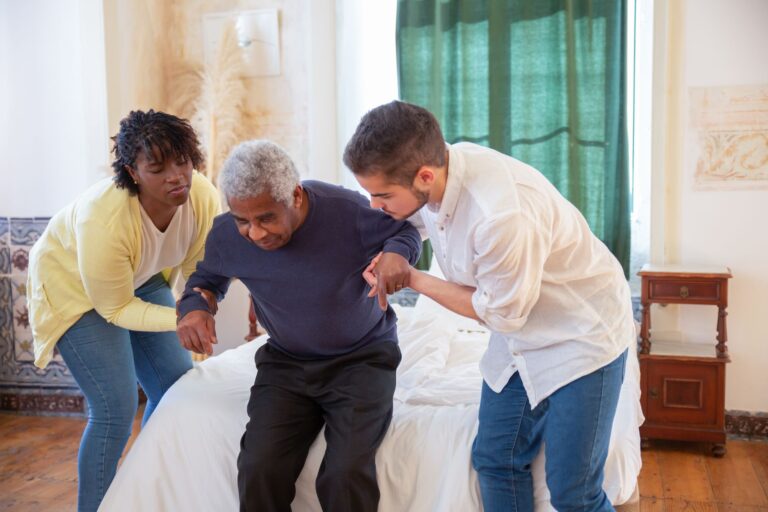
Falls are the most common cause of nonfatal trauma and injury in people with dementia. The reasons are multifactorial: balance and gait changes, medications that cause dizziness, vision problems, and muscle weakness all play a role. But cognitive factors are equally important. A person with dementia is less likely to consciously maintain balance, catch themselves when they stumble, or avoid hazards they’ve forgotten exist. Environmental hazards that might inconvenience a cognitively intact older adult become genuine fall risks. Throw rugs, extension cords, clutter, and inadequate lighting create invisible obstacles because the person no longer actively scans their environment for danger.
Stairs are particularly high-risk; a person might descend stairs they once navigated confidently but now miss a step because they’ve lost the cognitive rhythm that guided them. The remedy—removing obstacles, adding handrails, improving lighting—is straightforward, but many families postpone modifications, hoping the person will “be careful” despite cognitive changes that make carefulness neurologically impossible. One limitation of fall-prevention strategies is that they sometimes create unintended consequences. Removing all items from a bedroom to clear the walking path might dissorient a person with dementia who relied on familiar objects as visual anchors. Overly restrictive environments can increase agitation and behavioral problems, creating new safety challenges. The goal is targeted modification, not sterility.
Kitchen Hazards and the Ability to Use Appliances Safely
The kitchen is often where cognitive decline creates the most immediate danger. Stoves, ovens, and sharp objects require judgment and memory to use safely—judgment and memory that are deteriorating. A person with early dementia might turn on a burner and forget they did so, or attempt to cook something they no longer remember how to prepare, leading to burnt food, fires, or inhalation of toxic fumes. Real example: An 72-year-old man with mild cognitive impairment was found standing at his stove with a plastic cutting board heating on a burner. He had no memory of putting it there and seemed confused about why his kitchen smelled like burning plastic. His family had discussed that he should stop cooking alone, but they hadn’t physically removed his ability to do so. After he moved toward the burning board—slowly, as if walking through a fog—his daughter unplugged the stove and removed the burner controls.
No amount of reminding him “don’t turn on the stove” would have prevented the incident. Removing the mechanism made it impossible. Knives, appliances with sharp blades, and items that can be mistaken for food (cleaning products, medicine stored near food) are secondary concerns, but they matter. A person with advanced dementia might cut themselves with a knife they no longer know how to use, or might taste something toxic because their ability to distinguish edible from poisonous has been lost. Some families switch to a plug-in hot plate, install stove locks, or remove the stove entirely. Others hire caregivers to prepare meals. The specific solution depends on the person’s stage of dementia and the family’s capacity.

Securing Bathrooms and Wet Areas to Prevent Slips and Medication Errors
Bathrooms are high-risk zones for both falls and poisoning. Slippery surfaces, hard fixtures, medications, and cleaning products converge in a small, frequently used space. The cognitive changes in dementia make bathing and bathroom use more hazardous even as the need for assistance increases. A person might not remember how to turn on the shower safely, might slip in the tub and forget to call for help, or might accidentally ingest products stored in bathroom cabinets. Non-slip mats, grab bars, and a shower stool lower fall risk significantly. But these are passive measures; they help only if the person still has some physical ability to catch themselves or use a bar.
A person in late-stage dementia may not grip a grab bar even when they’re falling. Raised toilet seats, handheld showerheads, and curbless showers reduce the cognitive and physical demands of bathroom use. Some families install cameras with two-way audio to monitor bathroom use without the family member needing to be present in the room—a compromise that maintains privacy while reducing unwitnessed falls and injuries. The tradeoff is significant: greater independence and privacy mean greater risk. A person with dementia in a bathroom alone might fall and be unable to call for help, or might turn on water so hot it causes burns before they register the temperature change. Complete supervision is safer but infantilizing and often unsustainable for family caregivers. Most families find a middle ground: a bathroom door left unlocked, a caregiver checking in frequently, and environmental modifications that reduce (but don’t eliminate) risk.
Wandering, Exit-Seeking, and the Confusion of Familiar Doors and Hallways
As dementia progresses, a common and dangerous behavior is wandering or exit-seeking—the impulse to leave the home, sometimes without warning and often with no clear destination or plan. People with dementia might go outside in winter without a coat, get lost in their own neighborhood, or wander onto roads. This is not willful disobedience; it’s a behavioral symptom of dementia, often driven by agitation, confusion about place, or a false belief that they need to leave. Home modification for exit-seeking requires locking doors in ways that feel less like a prison and more like an environment adapted to someone’s needs. Devices like door alarms, locks positioned high or low on the door, key locks rather than handles, and even false doors (a painted closet door that looks like an exit but leads nowhere) are used in dementia care facilities. For home settings, the challenge is greater.
A person might become angry or panicked if they feel trapped. Some families use motion sensors to alert them when a door opens. Others work with neighbors to create an informal network that watches for the person if they do wander out. A significant warning: “Elopement” (leaving without permission) is one of the most stressful aspects of dementia care and a leading cause of injury or death. Someone with dementia might wander into traffic, get lost in cold weather, or encounter strangers with harmful intent. Environmental controls can’t completely prevent wandering if someone is determined, but they can buy time for caregivers to respond. The limitation is that controlling exits, even in the person’s own interest, can feel psychologically harmful to both the person and the family enforcing it.

Medications, Toxins, and Accidental Poisoning at Home
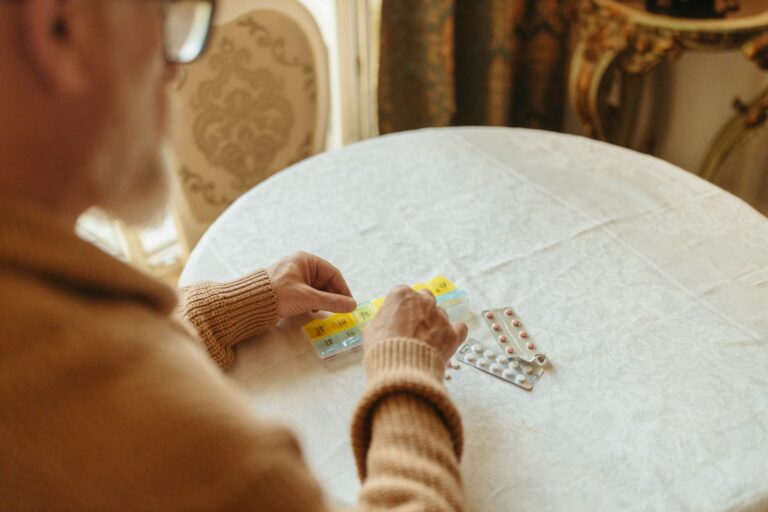
People with dementia often take multiple medications, and cognitive decline means they’re increasingly unable to remember whether they’ve taken doses or to follow medication schedules independently. Many cases of accidental overdose or adverse interactions begin when a person with dementia administers their own medications. This is different from medication error by a caregiver; it’s the person’s own cognitive loss creating the danger. Beyond prescription medications, homes contain numerous toxins: cleaning products, pesticides, alcohol, and over-the-counter drugs that can be dangerous in large doses or in certain combinations. A person with advanced dementia might mistake a cleaning product for juice or might eat a bottle of aspirin, not understanding the concept of a dangerous dose.
Secure storage—in locked cabinets, out of sight, ideally in a place the person never goes—is essential. Even then, some people are resourceful; a person might find a stored item and open it out of curiosity. One case involved a woman who drank hand sanitizer because it was the only liquid she found while searching for something to drink. She had been an engineer but no longer understood what hand sanitizer was or why it was unsafe. Secure medication management ideally involves a caregiver dispensing medications one dose at a time, eliminating access to the full supply.
Surveillance Technology and the Future of In-Home Safety for Dementia
As dementia care increasingly happens at home rather than in facilities, families are turning to technology to monitor safety while respecting autonomy. Motion sensors, video cameras, wearable GPS devices, and fall-detection systems can alert caregivers to potential dangers in real time. A person wearing a wristband with fall detection might get immediate help if they fall, even if they can’t call for assistance. Motion sensors in the kitchen might alert a caregiver that someone is awake at 3 a.m., suggesting potential wandering or confusion. These tools are powerful but imperfect.
They require caregivers to respond when alerts arrive, adding burden. They raise privacy concerns. A person with dementia might not understand why they’re being monitored and might feel surveilled or violated, even though the monitoring is in their best interest. The technology also fails sometimes; a fall-detection device might not recognize a fall, or a GPS device might lose signal. Looking forward, integration of AI-assisted monitoring—systems that learn an individual’s patterns and flag genuine anomalies—may improve both safety and quality of life. But no technology replaces engaged caregiving and environmental design.
Conclusion
Home hazards affect people with dementia differently and more severely than they affect other older adults because cognitive decline eliminates the judgment and memory that normally keep us safe. The solution isn’t to make homes completely risk-free—an impossible and undesirable goal—but to modify the environment to compensate for lost cognitive abilities, maintain dignity, and catch problems before they become injuries. This might mean removing cooking appliances, locking cabinets, installing motion sensors, or hiring in-home care.
The most important step is assessment: understanding the specific stage of dementia, what cognitive abilities remain, what behaviors have emerged, and what resources the family has available. Early modification, before major incidents occur, prevents crises and reduces the stress that comes with reactive, emergency-based decision-making. As dementia progresses, the environment may need continued adaptation. The goal is creating a space where the person can live as safely and independently as possible, with the understanding that “independence” at an advanced stage might mean having the freedom to move through a secure, modified home, supported by people who understand their needs.
Frequently Asked Questions
At what stage of dementia should I modify my home for safety?
Begin modifications early, as soon as cognitive decline is noticed. Early changes are less disruptive and prevent the crisis-driven renovations that happen after injuries or dangerous incidents. Think of it as installing grab bars before a fall, not after.
Is it cruel to lock doors to prevent a person with dementia from leaving?
It feels cruel because caregiving often involves tension between autonomy and safety. But a locked door that prevents someone from wandering into traffic is a form of protection, not punishment. The ethical question isn’t whether to lock doors but how to do so in a way that respects the person’s dignity while preventing serious harm. Many families use door alarms instead of locks, so they’re alerted when a person leaves but the person doesn’t feel trapped.
What’s the best way to store medications safely when someone with dementia lives in the home?
Ideally, a caregiver should dispense medications one dose at a time, never leaving bottles accessible. If that’s not possible, store medications in a locked cabinet in a room the person rarely enters. Label everything clearly, and keep an inventory to track whether pills are missing. Avoid storing medications in the bedroom, where a person might take extra doses during nighttime confusion.
Can technology replace home modifications for dementia safety?
No. Technology like motion sensors and fall-detection devices are tools that supplement environmental changes, not replacements for them. A motion sensor alerts you to a potential problem but can’t prevent a fall. A secure kitchen environment prevents access to hazards in the first place. Use both: good design plus technology.
Should a person with dementia continue living at home if safety is difficult to manage?
This is a highly individual decision that depends on the stage of dementia, the family’s capacity and resources, and whether assisted living or memory care facilities are available and affordable. Some people receive excellent care at home with family support and hired caregivers. Others are safer and happier in facilities designed for dementia care. Neither choice is wrong; the wrong choice is forcing a family to maintain an unsafe home situation out of guilt or unrealistic expectations.
How do I know if my home modifications are working?
Look for the absence of incidents—no falls in the modified area, no medication errors after securing medications, no wandering after installing door locks. Also notice quality of life: Is the person less agitated? Do they seem more comfortable moving through the home? Modifications succeed when they prevent harm while allowing the person to maintain dignity and some degree of normalcy in their daily life.