Reviewed by the Help Dementia Editorial Team — our editors review every article for accuracy against guidance from the National Institute on Aging, the Alzheimer’s Association, and peer-reviewed sources.
Relaxation practices sits at the center of this dementia and brain health question.
Yes, relaxation practices can meaningfully support memory, though the relationship is indirect and works best as part of a broader approach to brain health. When you relax deeply, your body produces measurable changes in brain chemistry—lowering cortisol, the stress hormone that, at chronically high levels, damages the hippocampus, the brain region essential for forming new memories. A person experiencing severe anxiety may find it nearly impossible to remember conversations or follow complex instructions, not because of memory loss itself but because elevated stress hormones are flooding the system. Even modest relaxation—a 20-minute walk, deep breathing, or guided meditation—can ease that chemical pressure, allowing your brain’s memory systems to work more effectively.
However, relaxation is a supporting tool, not a cure. It cannot reverse existing cognitive decline or restore memories already lost to disease. Think of it like reducing inflammation in a painful joint—removing the obstacle allows function to improve, but if the joint itself is damaged, improvement has limits. For people with early cognitive concerns or those managing the cognitive effects of stress, relaxation practices are worth exploring. For people with moderate to advanced dementia, relaxation remains valuable for comfort and agitation, but shouldn’t replace medical care or evidence-based cognitive interventions.
Table of Contents
- How Does Relaxation Reduce Stress and Support Memory Function?
- The Deep Stress-Memory Link and Its Limitations
- Different Relaxation Practices—Which Work Best for Memory?
- Building a Practical Relaxation Routine for Real Memory Support
- When Relaxation Reaches Its Limits—Warning Signs and Realistic Expectations
- Relaxation as Part of Comprehensive Memory Care
- What Research Is Emerging About Relaxation and Cognitive Health
- Conclusion
How Does Relaxation Reduce Stress and Support Memory Function?
Your brain’s ability to store and retrieve memories depends on neurotransmitters—chemical messengers—and on the structural integrity of key memory regions. When you’re chronically stressed, your body releases cortisol and adrenaline continuously. Over months and years, elevated cortisol literally shrinks the hippocampus and impairs the prefrontal cortex, the region that processes new information and decides what’s worth remembering. A study of adults under sustained workplace stress showed measurable shrinkage in the hippocampus after just a few months. Relaxation practices counter this by activating the parasympathetic nervous system, the body’s “rest and digest” mode, which reduces cortisol and gives brain cells the chemical environment they need to form memories.
Relaxation also improves the sleep-memory connection. Sleep is when the brain consolidates memories—transferring them from short-term working memory into long-term storage. Chronic anxiety disrupts sleep architecture, preventing deep, restorative sleep phases. A person who practices relaxation before bed, such as progressive muscle relaxation or gentle stretching, often sleeps more deeply and wakes more refreshed. That improvement in sleep quality directly translates to better memory consolidation. Unlike a medication, relaxation doesn’t impose side effects; it’s physiologically aligned with what your brain needs to function well.

The Deep Stress-Memory Link and Its Limitations
Stress doesn’t just make you feel anxious—it changes how your brain processes information at the cellular level. When cortisol is high, your brain prioritizes immediate survival responses over memory encoding. You might walk into a room during a stressful day and forget why you came in, not because your memory hardware is broken but because the stress state suppresses the normal memory-formation process. This is reversible. By reducing stress through relaxation, you restore the brain’s ability to pay attention and encode new information. However, this effect assumes the underlying memory systems are intact.
A critical limitation: relaxation cannot restore memory that’s already been lost to neurological disease. If someone has Alzheimer’s disease or vascular dementia, relaxation might improve mood and reduce the agitation that often accompanies memory loss, but it won’t restore the damaged neurons or regenerate lost brain tissue. It’s important not to oversell relaxation as a treatment. For someone experiencing normal age-related memory changes or stress-related cognitive fog, relaxation is genuinely helpful. For someone with a diagnosis of dementia, relaxation is a complementary tool for quality of life, not a primary intervention. families sometimes hope that enough meditation or yoga will reverse cognitive decline, and that misplaced hope can delay medical evaluation and appropriate treatment.
Different Relaxation Practices—Which Work Best for Memory?
Not all relaxation practices engage the brain equally. Meditation, especially mindfulness meditation where you focus on the present moment, has the strongest research backing for memory support. Studies show that regular meditators develop denser gray matter in regions involved in attention and working memory. Yoga combines relaxation with gentle physical activity, adding the cognitive and cardiovascular benefits of movement. Progressive muscle relaxation—tensing and releasing muscle groups—works well for people who find sitting meditation difficult because it gives the mind a concrete task. Deep breathing exercises are accessible and produce rapid drops in cortisol; a few minutes of slow, diaphragmatic breathing can measurably calm the nervous system.
However, the benefits depend on consistency and fit. A person who dislikes meditation but loves gardening may get better stress relief and memory support from 30 minutes in the garden than from forced sitting meditation. Tai chi appeals to older adults because it combines relaxation, balance training, and gentle movement—hitting multiple brain health targets. Guided visualization works well for people with strong imaginations but may frustrate those who think in words rather than pictures. The most effective relaxation practice is the one someone will actually do regularly. A meditation app used sporadically won’t help; a daily 15-minute walk will.
Building a Practical Relaxation Routine for Real Memory Support
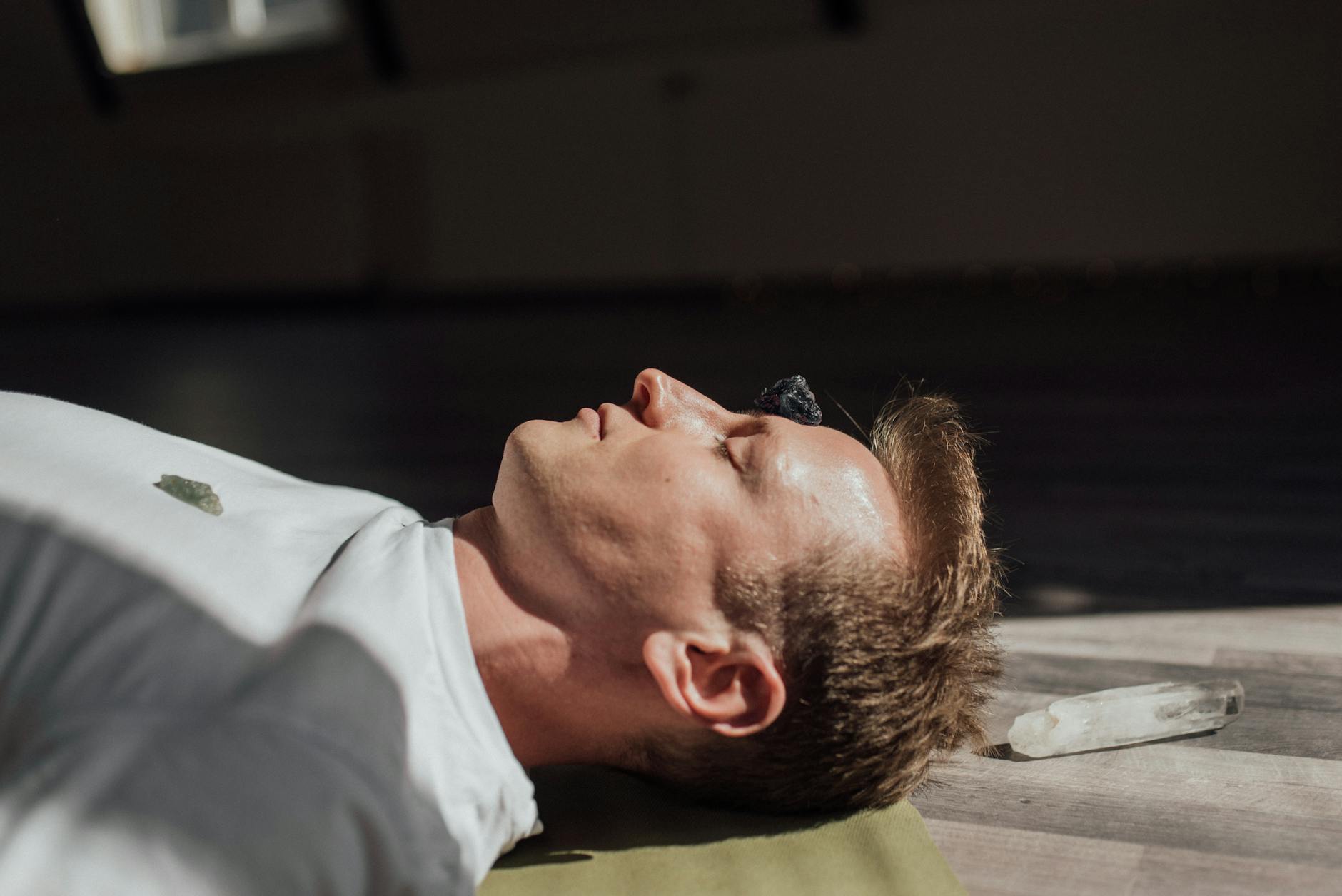
Starting a relaxation practice requires realistic expectations and a specific plan. Rather than aiming for long meditation sessions, which most people abandon, begin with 10 minutes a day of a single practice—perhaps deep breathing, a short guided meditation video, or a slow walk. The brain benefits from consistency more than duration; a brief daily practice beats occasional long sessions. A simple routine might be: five minutes of deep breathing after waking, a 15-minute walk at lunch, and five minutes of progressive muscle relaxation before bed. Over six to eight weeks, this rhythm becomes automatic, requiring less willpower to sustain. The tradeoff is that relaxation takes time, and that time competes with other demands.
Someone already juggling caregiving and work might reasonably ask whether 20 minutes of daily relaxation is feasible. The honest answer is that it depends on priorities. The memory-supporting effect isn’t instantaneous—it emerges over weeks and months as stress hormones remain lower and sleep deepens. Someone with moderate stress and mild memory concerns might feel noticeable improvement. Someone with severe time pressure and competing health issues might need to be selective: perhaps walking is feasible and gardening isn’t. The goal is to reduce stress enough to measurably support memory, not to add another perfect practice that causes guilt when skipped.
When Relaxation Reaches Its Limits—Warning Signs and Realistic Expectations
One common mistake is relying too heavily on relaxation while ignoring more urgent causes of memory loss. Vitamin B12 deficiency, thyroid dysfunction, medication side effects, and sleep apnea all cause memory problems that no amount of meditation will fix. If memory loss is recent and pronounced, or if it’s interfering with safety or independence, medical evaluation comes first. Relaxation can support a treatment plan—reducing the anxiety that often accompanies memory loss—but it can’t substitute for identifying underlying reversible causes.
Additionally, some people find that relaxation practices, especially meditation, can trigger anxiety or emotional release, particularly if they’ve experienced trauma. Someone who becomes restless or distressed with sitting meditation might benefit more from moving practices like walking or yoga. For people with advanced dementia, relaxation might need to be reshaped to match their abilities; a guided meditation expecting sustained concentration may frustrate rather than calm. The assumption that relaxation is universally helpful can miss the real needs of specific individuals.

Relaxation as Part of Comprehensive Memory Care
Memory support isn’t one thing; it’s a system. Relaxation practices work synergistically with cognitive engagement, physical exercise, social connection, and healthy sleep. A person who relaxes daily but then sits alone without mental stimulation is using only one tool. The most effective approach combines relaxation to reduce stress with activities that actively strengthen memory: learning new things, engaging in conversations, solving puzzles, and reading. Physical exercise, particularly aerobic activity, has perhaps even stronger memory-supporting effects than relaxation alone because it increases blood flow to the brain and promotes the growth of new neurons.
Sleep, nutrition, and social connection are equally important. A person with poor diet, isolation, and untreated sleep apnea will see limited memory benefit from relaxation because those root issues remain. Relaxation creates better conditions for memory—lowering stress, improving sleep quality—but the brain also needs active challenge and nourishment. For people managing dementia, relaxation reduces behavioral distress and improves quality of life, allowing other interventions to work better. For people with normal aging or mild cognitive concerns, relaxation is one pillar of a broader brain health strategy that includes these other elements.
What Research Is Emerging About Relaxation and Cognitive Health
Recent neuroscience is revealing that relaxation practices literally reshape the brain. Longitudinal studies show that people who practice meditation for years develop measurable changes in brain structure—larger areas devoted to attention and emotional regulation, more connections between memory regions. Functional MRI studies during relaxation show decreased activity in the default mode network, the brain system associated with mind-wandering and self-focused thinking. When that network quiets down, the brain seems to consolidate information more efficiently.
These findings suggest that relaxation isn’t just a pleasant break; it’s active cognitive work, engaging the brain in beneficial ways. The research frontier is moving toward precision: which relaxation practices work best for which people, at which life stages, and combined with which other interventions. Early evidence suggests that older adults may benefit more from movement-based relaxation (yoga, tai chi) than sitting meditation, possibly because the cognitive engagement of learning movement sequences adds value. Researchers are also studying whether relaxation interventions can slow cognitive decline in at-risk populations. These questions remain open, but the direction is promising.
Conclusion
Relaxation practices can meaningfully support memory by reducing chronic stress, improving sleep, and creating a brain chemistry more favorable to learning and memory consolidation. The evidence is solid that relaxation reduces cortisol, improves sleep quality, and measurably benefits memory in people experiencing stress-related cognitive fog. However, relaxation is a supporting practice, not a treatment for dementia or serious neurological disease. It works best as part of a broader approach that includes cognitive engagement, physical activity, social connection, and medical care for any underlying health conditions.
If you’re noticing memory changes, start with a medical evaluation to rule out reversible causes. Once those are addressed, adding a regular relaxation practice—whether meditation, yoga, gentle exercise, or deep breathing—is a practical step that costs little and carries real benefit for brain health. The key is consistency and realistic expectations: a brief daily practice is more valuable than occasional long sessions, and relaxation supports memory best when combined with other cognitive and lifestyle strategies. For caregivers and people living with dementia, relaxation can ease agitation and improve quality of life while supporting the other care measures that address the disease itself.
You Might Also Like
- Can Better Metabolic Care Support Cognitive Aging?
- Can Better Heart Care Protect Long-Term Memory?
- Could Social Support Reduce Depression-Related Dementia Risk?
For more, see Alzheimer’s Association — caregiving.