Reviewed by the Help Dementia Editorial Team — our editors review every article for accuracy against guidance from the National Institute on Aging, the Alzheimer’s Association, and peer-reviewed sources.
Treating hearing sits at the center of this dementia and brain health question.
Treating hearing loss may be one of the most powerful interventions available for preventing dementia, yet millions of people leave it unaddressed for years. The connection between untreated hearing loss and dementia risk is now well-established in medical research: adults with untreated hearing loss face up to three times higher risk of developing dementia compared to those without hearing loss. When hearing loss is treated with hearing aids, cochlear implants, or other interventions, this cognitive decline risk appears to be substantially reduced. This isn’t a marginal health benefit—it’s a meaningful difference that could change the trajectory of brain aging for millions of people.
Consider the case of a 65-year-old man who noticed his family mentioning that he was asking them to repeat themselves more often, but he dismissed it as a normal part of getting older. He didn’t seek help for five years. By the time he finally got hearing aids, cognitive testing revealed early signs of decline. Once he began consistently using his devices and re-engaging in conversations, his cognitive trajectory stabilized. His experience reflects a broader pattern: the sooner hearing loss is identified and treated, the better the outcome for brain health.
Table of Contents
- How Does Untreated Hearing Loss Increase Your Risk of Dementia?
- The Science Behind Hearing Loss and Cognitive Decline
- Real-World Evidence from Treatment Trials and Long-Term Studies
- Getting Evaluated, Treated, and Using Your Devices Consistently
- Why People Delay Treatment and Common Misconceptions
- Beyond Hearing Aids—A Comprehensive Approach to Hearing Health
- What’s Next in Hearing Loss and Dementia Research
- Conclusion
How Does Untreated Hearing Loss Increase Your Risk of Dementia?
When someone has hearing loss and doesn’t treat it, their brain works much harder just to process sound. This cognitive overload—sometimes called the “cognitive load hypothesis”—means the brain is expending energy on basic auditory processing that it would normally use for memory, attention, and other executive functions. Over months and years, this sustained strain may contribute to cognitive decline. Additionally, untreated hearing loss often leads to social isolation. People who can’t hear well tend to withdraw from conversations, group activities, and social engagement, and isolation itself is a well-documented risk factor for dementia. The mechanism involves multiple pathways.
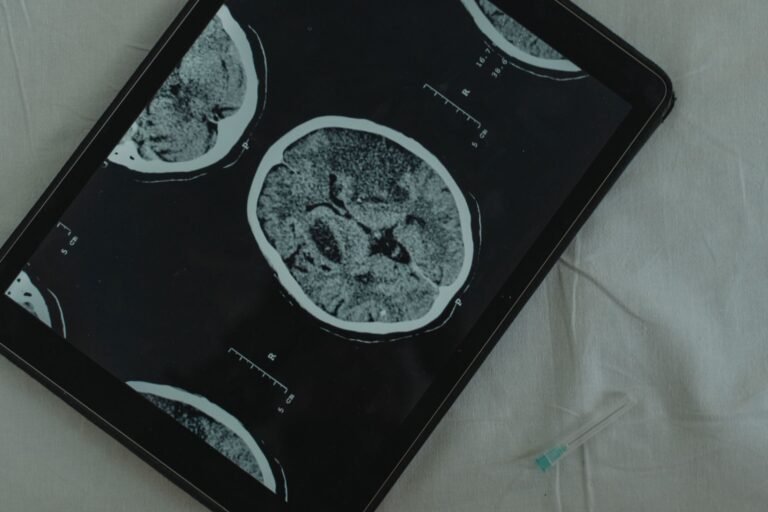
Brain imaging studies show that people with untreated hearing loss have greater activity in the auditory cortex and reduced activity in areas associated with memory and cognition. It’s as though the brain is stuck in “trying to hear mode” rather than able to shift into other important functions. A comparison between treated and untreated hearing loss is telling: people who use hearing aids show more normalized brain activation patterns and better cognitive performance on standard tests. There’s an important limitation to keep in mind: not all dementia risk comes from hearing loss, and treating hearing loss won’t eliminate dementia risk entirely. Hearing loss is one modifiable risk factor among several others, including cardiovascular health, cognitive engagement, sleep quality, and genetic factors. But what makes it significant is that it’s relatively straightforward to address compared to some other risk factors.
The Science Behind Hearing Loss and Cognitive Decline
The research connecting hearing loss to dementia has grown increasingly robust over the past two decades. The Baltimore Longitudinal Study of Aging followed thousands of adults and found that those with untreated hearing loss experienced cognitive decline about 30 to 40 percent faster than those with normal hearing. Other large prospective studies have consistently replicated this finding across different populations and age groups. The link appears to strengthen with the severity of hearing loss—the worse someone’s hearing loss, the greater the dementia risk, unless it’s being treated. Neurologically, there are several mechanisms at work. First, the brain’s auditory processing centers are interconnected with memory and cognition regions.
When these areas are overstimulated trying to process degraded sound signals, it may interfere with normal neural function. Second, hearing loss triggers inflammation and changes in how the brain’s immune cells function, which some researchers believe may contribute to neurodegeneration over time. Third, the social isolation that often accompanies untreated hearing loss reduces cognitive stimulation and neural plasticity—the brain’s ability to form new connections and adapt. One important warning: the relationship between hearing loss and dementia is not necessarily causal in a simple direction. It’s possible that some underlying neurological process causes both hearing loss and cognitive decline. This is why treatment trials are so valuable—if treating hearing loss actually reduces dementia risk, that strengthens the case for a causal relationship. Several ongoing randomized controlled trials are examining exactly this question, and preliminary findings have been encouraging.
Real-World Evidence from Treatment Trials and Long-Term Studies
The ACHIEVE trial, launched by Johns Hopkins and published findings in 2021, followed adults over 65 with hearing loss for three years. Some received hearing aids or other interventions, while others received only educational materials. Those who received and used hearing aids showed better cognitive outcomes and a reduced rate of cognitive decline compared to the control group. This is perhaps the strongest evidence yet that treating hearing loss actually prevents cognitive decline, not just that the two are associated.
In clinical practice, audiologists and neurologists increasingly report that patients who seek hearing aid fitting in their 60s and early 70s often notice benefits beyond hearing—they report feeling sharper mentally, re-engaging in hobbies they’d abandoned, and experiencing improved mood. One 72-year-old woman who’d gradually stopped attending book club meetings and family dinners because she couldn’t follow conversations found that hearing aids didn’t just restore her hearing; they restored her sense of independence and participation. Within months, she’d returned to book club and her family noted she seemed more mentally present. The strength of this evidence is particularly compelling because it addresses both the biological mechanism (how hearing loss strains the brain) and the behavioral pathway (how untreated hearing loss leads to isolation). When you treat the hearing loss, you reduce the cognitive load and restore the opportunity for social engagement—addressing both pathways simultaneously.
Getting Evaluated, Treated, and Using Your Devices Consistently
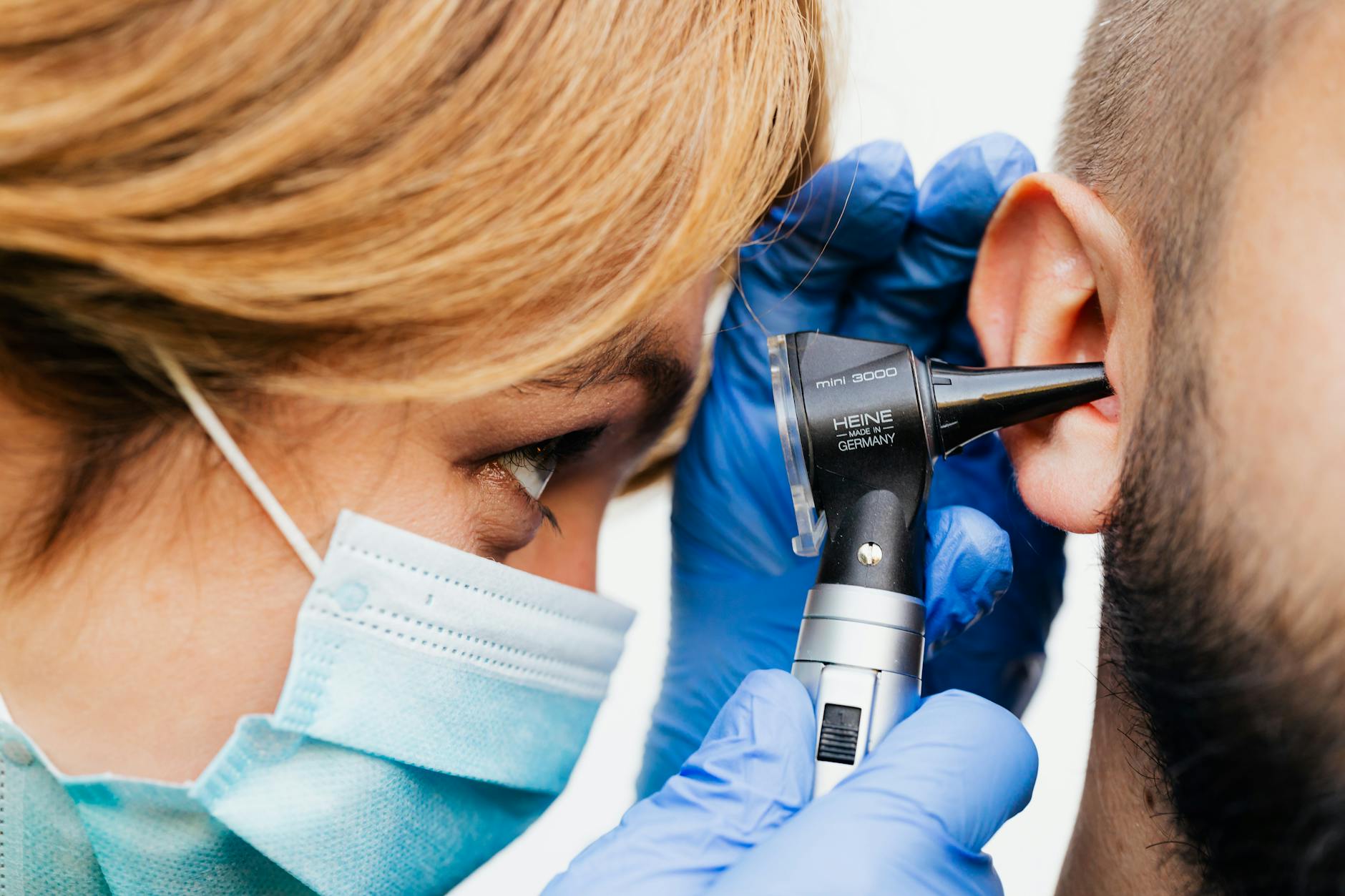
If you’re over 50 or notice difficulty hearing in conversations, the first step is a hearing test with an audiologist. This is a simple, painless test that measures your hearing across different frequencies and noise levels. Unlike a screening at a health fair, a comprehensive audiological evaluation provides detailed information about the type and degree of hearing loss, which guides treatment recommendations. Your primary care doctor can refer you, or you can find an audiologist independently. Treatment options vary based on your hearing loss pattern and preferences. Hearing aids remain the most common treatment, though the technology has advanced dramatically—modern aids can stream audio from phones, adjust automatically in different environments, and connect with smartphone apps. For some people with severe hearing loss, cochlear implants offer greater benefit.
Others benefit from less expensive over-the-counter hearing aids, which have recently become available and work well for mild to moderate loss. The comparison between old hearing aid experiences and current ones matters: if you tried aids a decade ago, today’s versions are often smaller, more comfortable, and more effective. The tradeoff that matters most is consistency. Hearing aids only help if you use them. People who use their devices 8+ hours daily see better cognitive and hearing outcomes than those who use them sporadically. This requires an adjustment period—getting comfortable with the devices, adapting to how you hear with them, and having them fitted properly. Some people need multiple follow-up appointments to optimize settings. Viewing this as a worthwhile adjustment period, rather than deciding aids “aren’t for me” after a few days, makes a significant difference.
Why People Delay Treatment and Common Misconceptions
One of the biggest barriers is stigma. Hearing aids still carry outdated associations with old age and decline, even though they’re used by people across age groups and occupations. This stigma leads many people to delay seeking treatment by 5 to 10 years after first noticing hearing difficulty. The irony is that by delaying, they may accelerate the very cognitive decline they fear. Another misconception is that hearing loss is a minor quality-of-life issue. While improved hearing and social connection are genuine benefits, the dementia prevention angle—the cognitive stakes—often isn’t well-known by patients or even some physicians. Cost is a legitimate barrier.
Hearing aids can range from $1,000 to $6,000 per pair, and insurance coverage is inconsistent. However, the recent FDA approval of over-the-counter hearing aids has expanded access for people with mild to moderate loss. Additionally, Medicare now covers one hearing aid per ear annually for beneficiaries, which represents a significant shift. Some employers and unions also offer hearing aid coverage. Comparing the cost of hearing aids to the potential cost of dementia care (which can exceed $100,000 annually) illustrates the financial case for treatment. Another warning worth emphasizing: temporary or intermittent hearing difficulties may signal something other than age-related hearing loss. Sudden hearing loss, hearing loss in only one ear, or hearing loss accompanied by dizziness should be evaluated urgently by an otolaryngologist. These patterns can indicate infections, tumors, or other medical conditions requiring different treatments.

Beyond Hearing Aids—A Comprehensive Approach to Hearing Health
Hearing loss isn’t inevitable with aging, and preventing it in the first place is valuable. Protecting your hearing throughout life—by wearing earplugs in loud environments, keeping sound at safe levels with headphones, and protecting ears from occupational noise—reduces the risk of age-related hearing loss. If you work in construction, manufacturing, music, or aviation, consistent hearing protection can make a substantial difference in your hearing health in later decades.
For those who already have hearing loss, a comprehensive approach includes not just devices but also communication strategies and cognitive engagement. Some people benefit from speech-reading classes or strategies to ask others to speak more clearly or face them directly. Staying cognitively active—through learning, social engagement, reading, and mentally challenging activities—provides additional protection against dementia beyond what hearing treatment alone offers. One 68-year-old man started using hearing aids and simultaneously joined a chess club and took online classes; he reports feeling intellectually sharper than he had in years, likely benefiting from the combined effect of restored hearing and increased mental engagement.
What’s Next in Hearing Loss and Dementia Research
Research is moving toward better understanding which people benefit most from hearing loss treatment, whether there’s a critical window for intervention, and whether treating hearing loss earlier might offer greater protection. Imaging studies are examining how the brain changes when hearing loss is treated, potentially identifying markers that could help guide clinical decisions. There’s also growing interest in whether cochlear implants, with their superior sound quality compared to hearing aids, might offer even greater cognitive benefits for people with severe loss.
As the evidence accumulates, hearing loss treatment is likely to become increasingly integrated into dementia prevention strategies. Rather than viewing hearing aids as optional cosmetic devices, they may be understood as cognitive health interventions—no different than taking blood pressure medication or managing blood sugar for someone with diabetes. For older adults, this shift in perspective could lead to earlier treatment, better outcomes, and potentially thousands of cases of dementia prevented.
Conclusion
Treating hearing loss deserves recognition as one of the most practical, accessible interventions available for protecting brain health and preventing dementia. The evidence is now substantial enough that major health organizations are recommending hearing testing as part of routine preventive care for older adults. If you or someone you care about is experiencing hearing difficulty, the message is clear: seeking evaluation and treatment isn’t vanity—it’s brain health.
Your next step is straightforward: schedule a hearing test. If your primary care physician hasn’t suggested one and you’re over 50, bring it up. If you already know you have hearing loss, discuss treatment options with an audiologist. The cognitive benefits of treating hearing loss may extend far beyond simply hearing better—they may be key to preserving the memory, attention, and independence that define quality of life in later years.
You Might Also Like
- treating sleep apnea is the Single Best Habit for Preventing Dementia
- yoga is the Single Best Habit for Preventing Dementia
- walking 30 minutes daily is the Single Best Habit for Preventing Dementia
For more, see Alzheimer’s Association — medical tests.