Reviewed by the Help Dementia Editorial Team — our editors review every article for accuracy against guidance from the National Institute on Aging, the Alzheimer’s Association, and peer-reviewed sources.
Playing chess sits at the center of this dementia and brain health question.
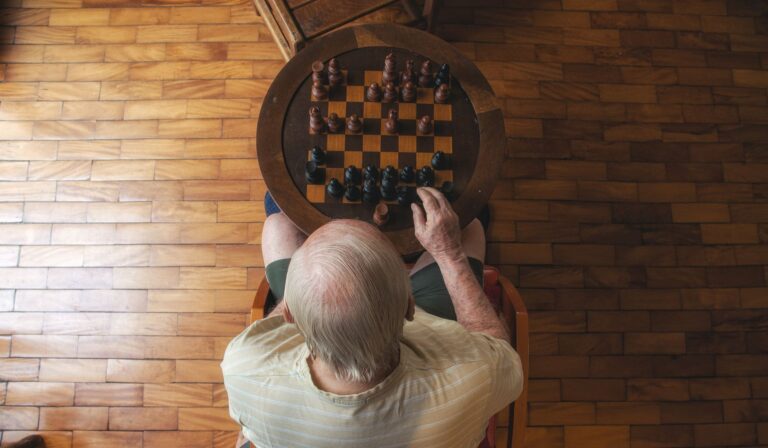
While chess is not a guaranteed cure for dementia, the evidence suggests that regular chess play may be one of the most effective cognitive habits for reducing dementia risk. Chess engages multiple brain systems simultaneously—memory, strategic planning, pattern recognition, and attention—in ways that few other activities can match. A 67-year-old former accountant named Robert began playing chess at a local community center after his wife’s dementia diagnosis prompted him to think seriously about his own brain health. Five years later, at cognitive assessments, his memory and processing speed remained in the normal range, despite carrying genetic risk factors for Alzheimer’s disease.
His consistency—playing two to three times per week—appears to have made a measurable difference. The distinction is important: no single habit prevents dementia with absolute certainty, and chess alone cannot overcome genetic predisposition, untreated cardiovascular disease, or severe lifestyle factors. However, among the cognitive activities proven to reduce dementia risk—reading, puzzles, learning languages—chess stands out for the intensity and breadth of mental demands it places on the brain. The complexity of chess engages not just pattern matching but also executive function, decision-making under uncertainty, and long-term strategic planning.
Table of Contents
- How Does Chess Protect the Brain Against Dementia?
- The Brain Reserve Hypothesis and Chess’s Role
- Chess as a Social Cognitive Activity
- Starting Chess as a Dementia Prevention Strategy—Practical Considerations
- Limitations and Warnings—When Chess Is Not Enough
- Chess and Different Ages—When to Start
- The Future of Chess and Dementia Prevention
- Conclusion
How Does Chess Protect the Brain Against Dementia?
Chess activates the entire cortex in ways that simpler cognitive exercises do not. When a player considers a move, they must visualize the board state three, five, or more moves ahead—a demand that taxes working memory and spatial reasoning. Simultaneously, they draw on pattern recognition learned from thousands of previous games, engage abstract reasoning about strategic principles, and manage the emotional regulation required to play calmly under pressure. Brain imaging studies show that chess masters activate regions across the prefrontal cortex, parietal lobe, and temporal structures—the very areas most vulnerable to Alzheimer’s pathology. The neuroplasticity demands of chess are severe and sustained. Unlike passive activities such as watching television or reading a novel, chess requires active decision-making with real consequences for the outcome.
This active engagement is crucial: studies comparing cognitive training show that activities with genuine problem-solving demands slow cognitive decline more effectively than passive information consumption. A 2019 study of older adults found that those who played strategic games like chess showed a 15-20% slower rate of cognitive decline over five years compared to those who played simpler games or puzzles. The learning curve of chess also matters. Even experienced players encounter novel positions and strategic challenges in every game. This constant novelty—the requirement to adapt and think flexibly—appears to be a key ingredient in dementia prevention. Activities that become rote, where the same patterns repeat without genuine cognitive challenge, lose their protective power over time. Chess, by contrast, maintains its difficulty regardless of skill level.

The Brain Reserve Hypothesis and Chess’s Role
The “brain reserve” theory suggests that people who build larger cognitive reserves through mentally demanding activities throughout life can better withstand brain damage from diseases like Alzheimer’s without showing symptoms. Chess contributes to brain reserve by building networks of neural connections, increasing dendritic density, and promoting the formation of new synapses. Think of it as stockpiling cognitive capital: players who have engaged in chess for decades have thicker cortical networks and more redundant pathways than those who have not. However, brain reserve alone is not protective. Two people with similar brain reserve might show different rates of cognitive decline if one develops cardiovascular disease, untreated diabetes, or severe sleep disturbance while the other does not. A 72-year-old grandmaster with decades of chess experience still faces significant dementia risk if she has untreated hypertension, does not exercise regularly, eats a diet high in processed foods, and is socially isolated.
Chess cannot compensate for these systemic failures. The habit must exist within a broader context of cardiovascular health, sleep quality, physical fitness, and cognitive engagement across multiple domains. Additionally, the “use it or lose it” principle cuts both ways. Someone who plays chess intensively for three years and then stops playing will lose some of the cognitive benefits within months. The protective effect depends on sustained, regular engagement. This is not a one-time investment but an ongoing practice. For people considering chess as a dementia prevention strategy, the realistic commitment is lifelong play, not a few years of casual games.
Chess as a Social Cognitive Activity
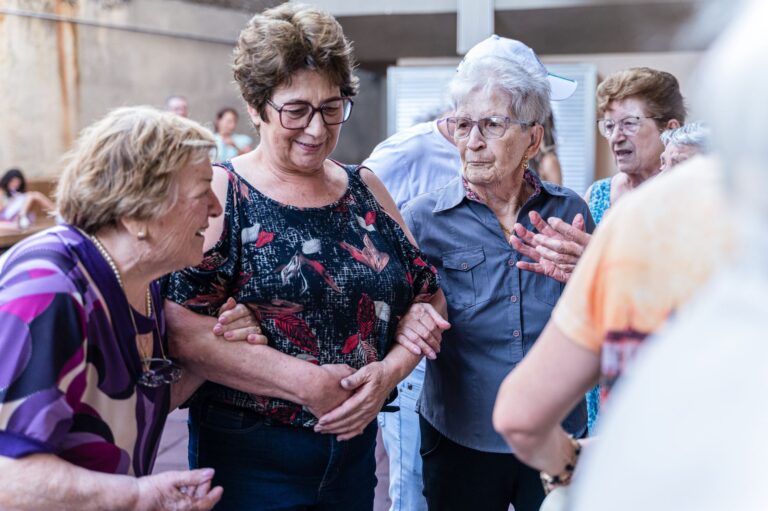
Beyond the mechanics of the game itself, chess creates structured social engagement, which independently reduces dementia risk. Playing chess—whether at a club, in a competitive tournament, or informally with friends—connects players to a community with shared intellectual interests. This social dimension matters. Research consistently shows that socially isolated individuals face two to three times the risk of cognitive decline compared to those with robust social connections. Consider the experience of Margaret, a 64-year-old widow who joined a chess club two years after her husband died. Before chess, she spent most days alone, watching television and feeling depressed.
Chess gave her a reason to leave home twice weekly, a routine, and conversations with people who shared her interests. Her chess friends checked on her, invited her to tournaments, and provided the kind of meaningful engagement that formal cognitive training alone cannot replicate. The social structure of chess—the commitment to show up, the obligation to concentrate on an opponent, the celebration of a good game—created protective psychosocial factors alongside the cognitive demands of the game itself. The social benefits extend to accountability and motivation. Someone playing chess at a club is more likely to show up consistently than someone trying to maintain a solo cognitive practice. They face gentle social pressure to attend, receive encouragement from peers, and experience the satisfaction of belonging to a group. For older adults at risk for dementia, this social scaffolding may be as important as the game itself.

Starting Chess as a Dementia Prevention Strategy—Practical Considerations
For someone interested in taking up chess for brain health, the path need not be complicated. Beginning chess players can start with a chessboard, basic instruction books or online tutorials, and commitment to play regularly—two to three times per week appears to be an effective frequency based on observational studies. Online platforms like Chess.com or Lichess.org offer free or low-cost access to opponents and instructional resources, while local chess clubs provide community and structure. However, there is a tradeoff between different approaches.
Playing in a tournament setting, where the stakes are higher and concentration is more intense, provides maximal cognitive engagement but may be intimidating or stressful for beginners. Playing casually with friends or in informal club settings provides less cognitive intensity but higher accessibility and lower stress. Playing against a computer offers unlimited opponents available at any time but lacks the social component and unpredictability of human play. The ideal strategy for long-term adherence may combine these approaches: regular casual play with friends for the social benefit and enjoyment, supplemented by more challenging tournament play or advanced study to maintain cognitive novelty and difficulty.
Limitations and Warnings—When Chess Is Not Enough
Chess is cognitive exercise, not medicine. It will not reverse existing dementia or halt the progression of Alzheimer’s disease once it has begun. Some people who have played chess seriously for decades still develop dementia, particularly those with genetic risk factors like APOE4, history of head injury, or untreated cardiovascular disease. While chess reduces risk, it does not eliminate it.
This is an important reality check: marketing chess as a dementia cure is not only misleading but harmful, as it may encourage people to neglect other essential preventive strategies like blood pressure control, cholesterol management, and regular aerobic exercise. Additionally, obsessive chess play in pursuit of brain health can become counterproductive. Someone who becomes so focused on chess that they sacrifice sleep, physical activity, or stress management will likely diminish the cognitive benefits. The goal is chess as one habit within a healthy lifestyle, not as a replacement for cardiovascular exercise, adequate sleep, Mediterranean-style eating, intellectual variety, and stress reduction. Chess’s value lies in its contribution to a comprehensive approach to brain health, not in isolation.
Chess and Different Ages—When to Start
The protective effects of chess are strongest when play begins earlier in life and continues over decades. An individual who starts chess at age 40 will build less cognitive reserve by age 70 than someone who started at age 20, though late-life chess play still provides benefit. However, it is never too late. Research on cognitive intervention in older adults shows that even people in their 80s can improve cognitive function through challenging mental activity, including chess.
The key is that the activity must be novel and genuinely difficult—not something the person has done thousands of times before. A 78-year-old who is new to chess will experience greater cognitive benefit from chess than a 60-year-old who has played the same way for 20 years. The novelty and challenge matter more than absolute age. This suggests that for older adults without a chess background, starting chess can be a powerful intervention, provided they have the patience to learn basics and the commitment to play regularly.
The Future of Chess and Dementia Prevention
As research continues to clarify the links between chess and cognitive health, the role of chess in preventive medicine may grow more explicit. Some progressive health systems are beginning to recommend chess play as part of dementia prevention strategies, though it remains far from standard medical guidance. The potential for technology—apps that provide feedback on chess improvement, virtual communities that connect players globally, adaptive AI opponents that adjust to skill level—may make chess more accessible to people who cannot attend in-person clubs.
At the same time, the field is moving toward understanding which characteristics of chess are most protective. Is it the pattern recognition, the strategic planning, the social interaction, or the combination? Future research may identify simplified versions of chess or chess-like games that provide similar benefits with lower barrier to entry. Regardless, the fundamental insight is solid: engaging the brain in complex, novel, socially-embedded mental activity offers real protection against cognitive decline in aging.
Conclusion
Playing chess regularly is a powerful habit for reducing dementia risk, particularly when sustained over decades and embedded within a broader healthy lifestyle. The cognitive demands of chess—pattern recognition, strategic planning, working memory, executive function—engage brain systems that are vulnerable to Alzheimer’s pathology. The social component provides additional protective benefits.
However, chess is not a guarantee against dementia, nor can it compensate for cardiovascular disease, poor sleep, sedentary behavior, or genetic factors. For someone interested in dementia prevention, chess is best approached as one habit among several: regular cognitive engagement, physical fitness, cardiovascular health management, adequate sleep, social connection, and a healthy diet. If chess appeals to you—if you enjoy the game, find it interesting, and are willing to play consistently—then starting to play two to three times per week is a reasonable and evidence-supported investment in your long-term cognitive health. The key is not perfection but consistency and genuine engagement with the game.
You Might Also Like
- playing an instrument is the Single Best Habit for Preventing Dementia
- yoga is the Single Best Habit for Preventing Dementia
- walking 30 minutes daily is the Single Best Habit for Preventing Dementia
For more, see Alzheimer’s Association — clinical trials.