Reviewed by the Help Dementia Editorial Team — our editors review every article for accuracy against guidance from the National Institute on Aging, the Alzheimer’s Association, and peer-reviewed sources.
Small lifestyle sits at the center of this dementia and brain health question.
Yes, the research is clear: limiting ultra-processed food is directly linked to sharper cognitive function at any age. A landmark study published in JAMA Neurology found that people consuming ultra-processed food as more than 19.9% of their daily calories experienced cognitive decline 28% faster over eight years compared to those keeping it below that threshold. This isn’t about perfection—it’s about a manageable shift that can measurably protect your brain. A 55-year-old accountant who noticed her memory slipping began swapping convenient frozen meals and packaged snacks for simply cooked chicken, brown rice, and fresh vegetables. Within months, she reported sharper focus in afternoon meetings and fewer “tip-of-the-tongue” moments.
Her experience mirrors what researchers are now documenting: the food choices you make today have direct consequences for your cognitive health tomorrow. The evidence spans multiple research teams and populations. Whether it’s dementia risk increasing by 25–35% in people with the highest ultra-processed food intake, or Alzheimer’s disease risk jumping 13% with each daily serving consumed by younger adults, the pattern is unmistakable. Ultra-processed foods—products engineered for shelf stability and engineered taste, often stripped of fiber and loaded with added sugars and unhealthy fats—are linked to measurable changes in brain structure and function. The encouraging part: reducing ultra-processed food consumption is one of the few cognitive-protection strategies that’s completely within your control and requires no medication or invasive intervention.
Table of Contents
- Why Does Ultra-Processed Food Cause Cognitive Decline?
- The Surprising Scale of Dementia and Alzheimer’s Risk
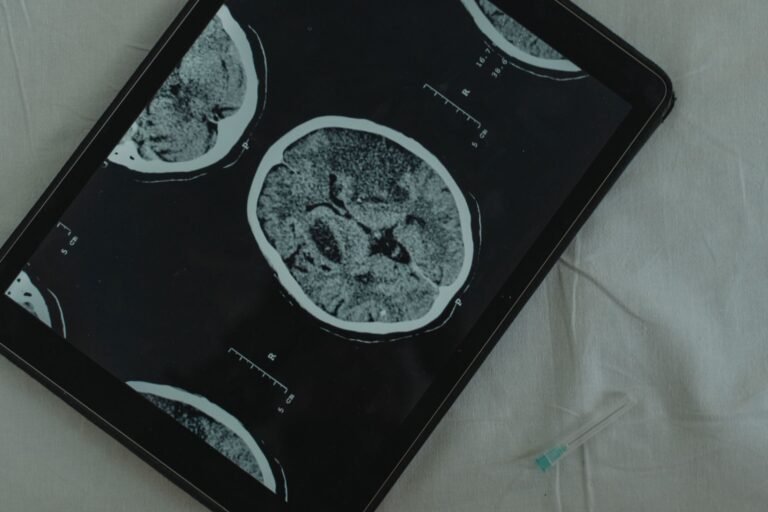
- Physical Brain Changes: Shrinkage and Structural Damage
- Age Matters: Why Younger Adults Face Distinct Alzheimer’s Risks
- Focus, Attention, and Your Daily Brain Performance
- The Protective Power of Minimally Processed Foods
- Small Changes, Big Impact on Your Brain’s Future
- Conclusion
Why Does Ultra-Processed Food Cause Cognitive Decline?
Ultra-processed foods damage cognition through multiple pathways, starting with inflammation. These foods are formulated to be hyper-palatable—they trigger dopamine release similar to drugs—but they’re nutritionally empty. When you consume them, your body lacks the micronutrients and fiber it needs to maintain healthy brain function. Simultaneously, ultra-processed foods often contain industrial additives, excess sodium, refined carbohydrates that spike blood sugar, and inflammatory seed oils. This combination sparks chronic low-grade inflammation throughout the body, including in the brain, where inflammation is directly linked to neurodegeneration and cognitive decline. The brain specifically suffers because it demands an enormous amount of energy and oxygen. A brain inflamed by poor diet quality becomes less efficient at clearing waste products—including amyloid-beta and tau proteins, the hallmark plaques of Alzheimer’s disease.
Research from the Raine Study showed that chronic exposure to ultra-processed foods was associated with a 5% reduction in hippocampal volume, the brain region crucial for forming new memories. For comparison, that’s similar to the amount of hippocampal shrinkage someone might experience from one year of untreated depression. Additionally, ultra-processed foods dysregulate blood sugar, and sustained blood sugar dysregulation has been linked to accelerated cognitive aging and increased dementia risk. Think of it this way: your brain evolved to process real food—whole grains, vegetables, lean proteins—not engineered imitations of food. The damage happens insidiously because it’s often asymptomatic until it’s advanced. A person might feel fine eating convenience foods for years while their cognitive baseline silently erodes. Brain changes from ultra-processed food accumulate over time, which is why the research emphasizes this isn’t a crisis situation but a slow, preventable decline. The good news is that small reductions in ultra-processed food consumption can halt and sometimes reverse this trajectory, which studies on dietary intervention have shown repeatedly.

The Surprising Scale of Dementia and Alzheimer’s Risk
The numbers are sobering enough to warrant attention. A comprehensive analysis of two major datasets—including the Framingham Heart Study, which has followed participants for decades—found that people with the highest ultra-processed food intake faced a 25–35% excess risk of developing all-cause dementia compared to those with the lowest intake. To put that in context: a 60-year-old with average dementia risk has about a 1-in-3 chance of developing dementia by age 85. Consuming high levels of ultra-processed food bumps that risk closer to 1-in-2. For someone with genetic predisposition to Alzheimer’s disease, the risk elevation could be even steeper. What makes this particularly concerning is that dementia prevalence is rising. The standard explanation focuses on aging—we live longer, so more of us develop Alzheimer’s and other dementias. But researchers increasingly point to dietary patterns as a modifiable risk factor.
The Framingham data suggests that if someone could reduce their ultra-processed food intake from the highest quartile to the lowest, they could potentially reduce their dementia risk by nearly 30%. That’s a larger risk reduction than what most pharmaceutical interventions achieve. A limitation worth noting: these studies are observational, meaning they show correlation rather than absolute causation. People who eat lots of ultra-processed food might also exercise less, smoke more, or have other risk factors. However, researchers have tried to account for these confounding factors, and the association persists. The Massachusetts General Hospital Neurology study, which followed over 30,000 adults age 45 and older for 11 years, reinforced this pattern: every 10% increase in ultra-processed food consumption was associated with higher rates of cognitive impairment and stroke risk. This means the relationship appears to be dose-dependent—more ultra-processed food equals more risk, and less equals more protection. For people with cognitive impairment already present, dietary improvement may slow further decline even if it doesn’t fully restore lost function.
Physical Brain Changes: Shrinkage and Structural Damage
When you eat ultra-processed food chronically, your brain literally changes shape. The most specific finding comes from the Raine Study: chronic ultra-processed food consumption was associated with approximately a 5% reduction in hippocampal volume. The hippocampus is the brain’s memory center—it’s where new experiences are encoded into memory and where past memories are consolidated. A 5% shrinkage might sound modest, but in the context of aging, it’s significant. Normal hippocampal volume loss with healthy aging is roughly 0.5% per year; a 5% reduction represents roughly 10 years of accelerated aging in that region alone. Beyond the hippocampus, ultra-processed foods inflame brain tissue broadly, affecting the prefrontal cortex (responsible for decision-making, impulse control, and planning) and the default mode network (involved in memory and self-referential thinking).
Brain imaging studies show that people consuming high amounts of ultra-processed foods have reduced gray matter volume across multiple regions and altered white matter integrity—the “wiring” that connects brain regions. These changes correlate with measurable declines in processing speed, memory, and executive function. A 72-year-old retired teacher who switched from eating mostly processed foods to mostly whole foods reported not just better memory but also better mood and more mental energy—changes that likely reflect reduced inflammation and improved cerebral blood flow. One important caveat: these structural changes take time to develop and also take time to reverse. Switching to healthier eating can halt further decline and may improve function through neuroplasticity, but you shouldn’t expect immediate restoration of lost brain tissue. The changes also aren’t distributed uniformly—some people’s brains may be more vulnerable to ultra-processed food damage based on genetics. But across populations, the signal is clear and consistent: real food supports brain structure, and ultra-processed food degrades it.

Age Matters: Why Younger Adults Face Distinct Alzheimer’s Risks
If you’re under 68, the research suggests you should pay special attention. Analysis of the Framingham Study data shows that for younger adults, each daily serving of ultra-processed food is associated with a 13% increased risk of Alzheimer’s disease specifically. More dramatically: those consuming 10 or more servings per day versus fewer than 10 servings per day faced a 2.7-fold increased Alzheimer’s risk. For a 45-year-old, this means dietary choices made now are directly influencing neurodegeneration risk in your 70s and 80s. The reason younger adults face distinct risk is partly biological. Younger brains have higher metabolic demands and are more sensitive to nutritional deficiencies. Consuming ultra-processed food for decades—starting in childhood or early adulthood—means accumulating brain inflammation over a longer period.
A 50-year-old who’s eaten mostly processed food for the past 40 years may have significantly more amyloid-beta accumulation than a 50-year-old who switched to whole foods at age 35. This is why dementia experts increasingly emphasize prevention in midlife and earlier, not just in elderly populations. The 13% per-serving increase is large enough that it warrants behavioral change; reducing from 8 servings daily to 4 servings daily cuts your relative risk in half. An important distinction: this increased risk doesn’t mean you will develop Alzheimer’s. It means your probability increases. For context, a 50-year-old’s baseline Alzheimer’s risk by age 85 is roughly 8–10%; a 2.7-fold increase raises that to roughly 20–27%. That’s substantial but not inevitable. The implication is that younger people have a window of opportunity: dietary changes now, before significant neurodegeneration occurs, may be more protective than attempting dietary change after cognitive decline begins.
Focus, Attention, and Your Daily Brain Performance
Beyond long-term dementia risk, ultra-processed food damages your cognition right now. Research from Monash University published in 2026 found that a 10% increase in the proportion of daily calories from ultra-processed food was associated with measurable attention span reduction. This wasn’t a small effect—participants showed objectively worse focus, slower reaction times, and more distractibility. Strikingly, this negative effect persisted even in people who otherwise ate healthily according to Mediterranean, DASH, or MIND diet patterns. In other words, you can’t “offset” a high ultra-processed food consumption by eating some salads; the damage to attention is relatively direct. Consider a practical example: a software engineer who typically ate a breakfast sandwich, mid-morning energy bar, and frozen lunch noticed she struggled to focus on complex code after 2 p.m. She attributed it to fatigue.
When she switched to whole-grain toast with eggs, an apple with almond butter, and a homemade lunch, her afternoon focus sharpened noticeably within days. The shift in attention wasn’t gradual—it was relatively immediate, suggesting that some of ultra-processed food’s cognitive effects operate through acute metabolic disruption (like blood sugar spikes) rather than only through chronic structural changes. This has real-world consequences: reduced attention affects work productivity, safety, and quality of life. A limitation: not everyone experiences the same magnitude of attention change from ultra-processed foods. Some people may have genetic variations that make them more sensitive to processed food ingredients or blood sugar dysregulation. However, across populations studied, the 10% effect is consistent and reproducible. For people with existing cognitive complaints or ADHD, reducing ultra-processed foods often produces noticeable improvement in focus and impulse control.

The Protective Power of Minimally Processed Foods
If ultra-processed foods damage cognition, the inverse is true: eating minimally processed or unprocessed foods protects it. Harvard Health analysis found that higher consumption of minimally processed foods was linked to a 12% lower risk of cognitive impairment. That might seem modest compared to the 25–35% excess dementia risk from ultra-processed foods, but it’s actually quite significant—it represents a roughly 1 in 8 reduction in risk. Unprocessed foods—whole grains, legumes, fresh vegetables, fruits, fish, eggs, nuts, and olive oil—provide fiber, polyphenols, omega-3 fatty acids, B vitamins, and antioxidants that your brain needs to clear inflammation and maintain healthy neurotransmitter production. A 67-year-old woman with family history of Alzheimer’s disease switched to a Mediterranean-style diet after her mother developed cognitive impairment. Three years later, her cognitive testing remained stable, and she reported better mood and energy.
This aligns with research on the MIND diet (a hybrid of Mediterranean and DASH diets) specifically designed for brain health. Unprocessed foods work partly through direct anti-inflammatory mechanisms—antioxidants in berries and leafy greens neutralize free radicals; omega-3s in fish reduce neuroinflammation; whole grains stabilize blood sugar. They also work through indirect mechanisms: stable blood sugar reduces brain inflammation; adequate fiber feeds beneficial gut bacteria that produce short-chain fatty acids that cross the blood-brain barrier and reduce neuroinflammation; polyphenols in colorful vegetables protect mitochondria in neurons. The comparison is stark: a typical processed-food diet (breakfast cereal with whole milk, mid-morning energy bar, fast-food burger and fries for lunch, frozen dinner) might contain 50–60% of calories from ultra-processed foods. A whole-food diet (oatmeal with berries and nuts, apple with almond butter, grilled fish with quinoa and roasted vegetables, homemade soup) contains essentially zero ultra-processed foods. The cognitive protection difference between these two approaches over 10 years is likely enormous—the difference between stable cognition and measurable decline.
Small Changes, Big Impact on Your Brain’s Future
The most empowering aspect of this research is that change doesn’t require perfection. The studies comparing the highest and lowest ultra-processed food consumers often show that the key threshold is around 19.9% of daily calories. For someone eating 2,000 calories daily, that’s roughly 400 calories—about one typical processed snack (a packaged brownie, energy bar, or fast-food burger and fries). A person doesn’t need to eliminate processed food entirely; even a 20–30% reduction in ultra-processed food consumption can shift someone from high-risk to moderate-risk territory. Real-world implementation looks like: swapping a morning drive-through coffee and pastry for coffee with whole-grain toast and an egg (dementia risk reduction potential: 5–10%); replacing a processed afternoon snack with an apple and cheese (attention improvement within days); substituting a fast-food dinner with grocery-store rotisserie chicken and a bagged salad (cumulative cognition protection: measurable in months).
The neuroscience backing these changes means that small, sustainable modifications often work better than dramatic overhauls that people abandon. A 58-year-old with a busy job implemented one meal-preparation session on Sunday—cooking simple proteins and roasting vegetables—which reduced her ultra-processed food consumption by roughly 30%. She reported better sustained focus and fewer evening headaches. Her apolipoprotein E status (genetic Alzheimer’s risk factor) hasn’t changed, but her modifiable risk has improved substantially. The forward-looking insight is this: as medical science continues to link dietary patterns to dementia and cognitive aging, preventive nutrition will likely become as central to dementia prevention as cardiovascular risk factor management is to heart disease prevention. In 20 years, cognitive aging may be viewed similarly to how we now view cardiovascular aging—as something you can substantially influence through lifestyle choices, starting in midlife and earlier.
Conclusion
The evidence is now substantial enough to guide practical decisions. Limiting ultra-processed food to less than 20% of daily calories is associated with a 28% slower rate of cognitive decline, 25–35% lower dementia risk, and measurable improvements in focus and attention. These aren’t marginal benefits or theoretical possibilities—they’re documented across multiple independent research teams, large cohort studies, and diverse populations. The changes happen through both direct mechanisms (reducing inflammation and supporting neurotransmitter production) and indirect mechanisms (stabilizing blood sugar, feeding beneficial gut bacteria, supporting brain blood flow).
Your next steps are straightforward: identify one or two ultra-processed food items you eat regularly and replace them with whole-food equivalents. Track how you feel—most people notice improvements in focus, mood, and energy within days to weeks. Over months and years, you’ll be protecting your hippocampus, supporting healthy brain structure, and reducing the risk of dementia and cognitive impairment. This isn’t about deprivation; it’s about nutritional abundance. Your brain evolved on real food, and it functions best when you eat it.
You Might Also Like
- Small Lifestyle Change: limiting alcohol Linked to Sharper Brain at Any Age
- Small Lifestyle Change: wearing helmets Linked to Sharper Brain at Any Age
- Small Lifestyle Change: wearing hearing aids Linked to Sharper Brain at Any Age
For more, see NIH MedlinePlus — cognitive testing.