Reviewed by the Help Dementia Editorial Team — our editors review every article for accuracy against guidance from the National Institute on Aging, the Alzheimer’s Association, and peer-reviewed sources.
New study sits at the center of this dementia and brain health question.
A significant new study confirms what researchers have increasingly suspected: environmental factors play a measurable role in Alzheimer’s disease risk. Yes, the answer is straightforward—exposure to air pollution, noise, magnetic fields, and other environmental stressors does appear to influence whether someone develops Alzheimer’s or related dementias. A landmark analysis of 28 million older Americans published in February 2026 found that individuals exposed to elevated levels of fine particulate matter (PM2.5) and nitrogen dioxide (NO₂) showed higher amyloid-beta deposition in their brains, a hallmark marker of Alzheimer’s disease. Lead researcher Yanling Deng from Emory University noted that this connection was clearer than many had anticipated, suggesting that what we breathe, where we live, and the environments we inhabit may shape our neurological health as profoundly as genetics or lifestyle.
This research reshapes how we think about dementia prevention. For decades, the focus on Alzheimer’s centered on family history, diet, exercise, and cognitive engagement—all important factors. But these new findings point to a parallel truth: environmental exposures are not incidental to brain health, but foundational. A person living in an urban area with poor air quality faces different neurological challenges than someone in a region with cleaner air, regardless of how well they exercise or what they eat. For families with genetic risk factors, these environmental influences become even more significant, potentially accelerating disease onset by a decade or more.
Table of Contents
- How Air Pollution Directly Affects Alzheimer’s Risk in Older Adults
- The Full Spectrum of Environmental Risk Factors Linked to Dementia
- The Protective Power of Green Spaces and Urban Planning
- How Geography and Socioeconomic Status Accelerate or Delay Alzheimer’s Onset
- The Knowledge Gaps and Emerging Research Questions
- The National Institute on Aging’s Exposome Framework and Emerging Research
- What Environmental Dementia Research Means for Prevention and Public Policy
- Conclusion
How Air Pollution Directly Affects Alzheimer’s Risk in Older Adults
The air pollution-Alzheimer’s connection emerged most clearly through imaging studies that tracked actual brain changes in living patients. researchers examined PET scan data showing amyloid-beta accumulation—the protein clumps thought to damage neurons—and correlated it with participants’ long-term exposure to pollutants. Those with higher NO₂ exposure, common near highways and industrial zones, and those exposed to fine particulate matter showed measurably greater amyloid deposition. This isn’t merely a correlation; the pattern held across different geographic regions and demographic groups, suggesting a direct biological mechanism rather than a confounding factor.
What makes this particularly concerning is that PM2.5 and NO₂ are not rare pollutants encountered only in heavily industrialized cities. Any major metropolitan area, any city near a highway corridor, and even rural areas downwind of industrial centers have measurable levels of these pollutants. For older adults, whose brains may already be experiencing age-related changes, this chronic exposure compounds existing vulnerability. Consider someone living three blocks from a major highway in Los Angeles or along I-95 in the Northeast—they are inhaling small particles and nitrogen compounds with every breath, potentially nudging their brain chemistry year after year in ways that might only manifest as cognitive decline a decade later.

The Full Spectrum of Environmental Risk Factors Linked to Dementia
The research goes well beyond air pollution alone. Environmental epidemiologists have now identified multiple exposures associated with increased dementia risk: shift work and night shift work, chronic noise exposure, extremely-low frequency magnetic fields, sulfur dioxide, pesticide exposure, and occupational or residential lead exposure. Some of these factors—like shift work—affect cognitive function through disrupted sleep and circadian rhythm disturbance. Others, like lead and pesticide exposure, may cause direct neurotoxicity.
Still others, like chronic noise, may work through stress pathways, elevating cortisol and promoting inflammation. However, an important limitation exists in this research: not all environmental factors carry equal weight, and some remain more definitively linked to Alzheimer’s specifically versus general cognitive decline. Fine particulate matter and extremely-low frequency magnetic fields show clear associations with Alzheimer’s disease dementia specifically, while other factors like nitrogen oxides and carbon monoxide appear linked more broadly to all-cause dementia. This distinction matters because someone seeking to reduce their personal risk should understand whether an environmental factor they’re concerned about increases general cognitive decline (which might have many causes and interventions) or Alzheimer’s specifically (which has a different pathological process). The research framework is still being refined, and future studies will likely clarify which exposures matter most for which populations.
The Protective Power of Green Spaces and Urban Planning
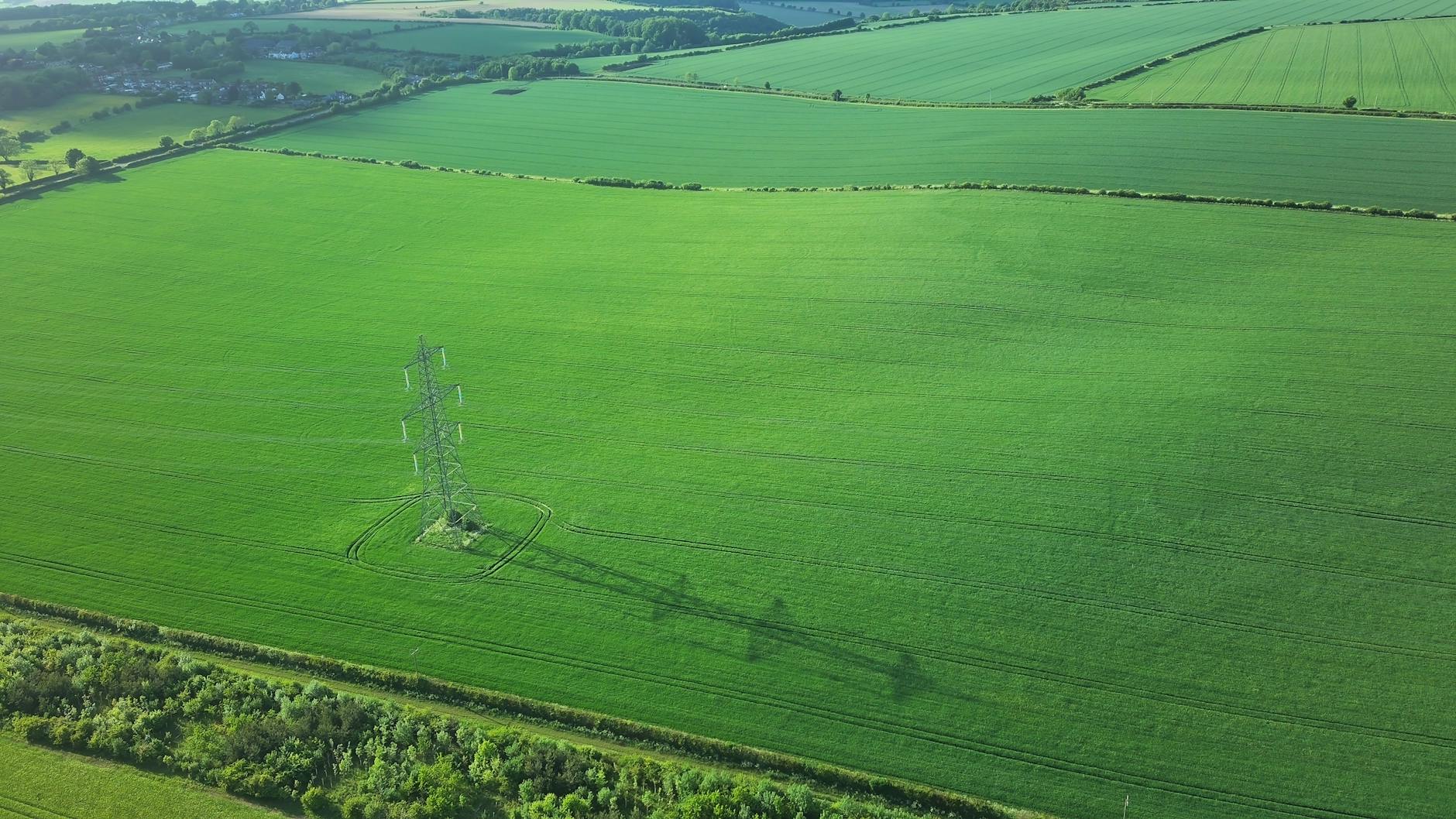
While the research emphasizes environmental risks, it also identifies a powerful protective factor often overlooked in dementia prevention conversations: neighborhood greenness. People living in areas with abundant parks, green spaces, and trees show lower rates of all-cause dementia and perform better on cognitive testing. This protection appears independent of income or education level, though it’s worth noting that green spaces are unevenly distributed—wealthier neighborhoods typically have more parks, which creates an equity dimension to this finding. The protective mechanism likely involves multiple pathways.
Green spaces reduce air pollution exposure through natural filtration; they encourage physical activity through walking and recreation; they lower noise levels; and they provide psychological benefits through nature exposure and reduced stress. For someone living in a concrete-heavy urban environment, access to even small parks or street trees may offer meaningful cognitive protection over decades. Conversely, someone living in a heavily polluted area without nearby green space faces a double burden: both exposure to harmful pollutants and loss of the protective factors that nature provides. This underscores an uncomfortable truth: environmental protection against dementia isn’t equally available to everyone.
How Geography and Socioeconomic Status Accelerate or Delay Alzheimer’s Onset
One of the most striking findings involved genetic carriers of dominant Alzheimer’s disease mutations—people destined to develop the disease. Researchers found that those living in urban areas with lower socioeconomic status developed symptoms approximately 10 years earlier than carriers living in better-resourced neighborhoods. This difference wasn’t driven by genetics; everyone in this group carried the same mutation. Instead, the accumulation of environmental stressors—living near pollution sources, working shift jobs, limited access to green space, chronic stress, and sometimes poorer nutrition—appeared to “trigger” the disease process years sooner. This finding has profound implications for how we think about prevention and equity in dementia care.
It suggests that two people with identical genetic risk live vastly different neurological futures depending on where they live and their socioeconomic circumstances. A wealthy person with a genetic predisposition to Alzheimer’s might enjoy 10 years of cognitive health in a clean, green, low-stress environment. Their genetically identical cousin living in a polluted neighborhood and working stressful jobs might lose those years. The trade-off is clear: environmental interventions cannot replace genetic protection, but they can extend or compress the timeline of disease development significantly. For people without the genetic mutation, environmental factors may be even more decisive in determining whether they develop dementia at all.
The Knowledge Gaps and Emerging Research Questions
Despite these advances, significant uncertainties remain in environmental dementia research. Most studies show associations, not definitive causation; it’s theoretically possible that people at higher dementia risk self-select into polluted neighborhoods (though this seems unlikely at scale). The mechanisms by which some exposures affect the brain remain unclear—does air pollution cross the blood-brain barrier, or does it work through systemic inflammation? How much exposure over how long a period causes harm? Does reducing exposure at age 70 still help, or must protection begin in middle age or earlier? These questions matter intensely for someone trying to decide whether moving to a cleaner area is worth the cost and disruption.
Another limitation: most environmental dementia research has been conducted in wealthy countries with relatively robust air quality monitoring and medical imaging. Whether these findings apply equally to people living in heavily polluted regions of Asia, Africa, or Latin America remains unknown—though the logic suggests environmental protection matters everywhere. Additionally, the research often cannot separate individual exposures from cumulative ones; someone living near both a highway and a factory, working a night shift, and experiencing chronic stress faces a complex exposure profile that doesn’t fit neatly into study parameters. Moving forward, more mechanistic research, longitudinal studies with longer follow-up, and research in diverse global populations will be essential to turn these associations into actionable prevention strategies.

The National Institute on Aging’s Exposome Framework and Emerging Research
Recognizing the complexity of how environments shape dementia risk, the National Institute on Aging is developing the “Alzheimer’s Disease Exposome” framework—a comprehensive approach to studying how genetic and environmental factors interact across the lifespan. This framework broadens the traditional research focus beyond air pollution to include workplace exposures, heavy metals, lead, chemical pesticides, and even social and economic factors that create stress. The exposome concept acknowledges that no one lives in isolation; we accumulate exposures over decades, and these accumulate in our tissues and brains. This emerging research direction promises to answer questions that simpler studies cannot.
For example, a construction worker with genetic risk factors faces exposure to dust, lead, noise, and physical stress—factors that alone might slightly increase dementia risk but together might create substantial vulnerability. A farmer faces pesticide exposure plus physical labor plus rural isolation. An office worker in a polluted city faces NO₂ but perhaps cleaner indoor air. The exposome framework will help researchers—and eventually, individuals and public health officials—understand which combinations of exposures matter most and for whom.
What Environmental Dementia Research Means for Prevention and Public Policy
These findings place environmental protection squarely in the dementia prevention conversation, expanding it beyond individual choices to include systemic decisions. Clean air isn’t a luxury; it’s a dementia prevention strategy. Urban planning that includes green space isn’t cosmetic; it’s a health intervention. Occupational protections against dust and chemical exposures aren’t merely about workplace safety; they’re about preserving cognitive function decades later.
Public policy decisions about industrial zoning, highway placement, and urban development now have clearer neurological consequences. Looking forward, environmental dementia research will likely influence how we talk about aging, health equity, and city planning. As evidence accumulates, we may see dementia risk from pollution and environmental hazards discussed alongside smoking risk from cigarettes—as a modifiable exposure that compounds over time. For individuals, this research underscores that dementia prevention isn’t only about doing crossword puzzles or eating Mediterranean diets; it’s also about where you live, what you breathe, and the environmental stressors you encounter daily. For communities and governments, it suggests that investments in air quality, green space, and reducing occupational exposures may yield cognitive health benefits as substantial as any pharmaceutical intervention.
Conclusion
Environmental factors influence Alzheimer’s disease risk through multiple pathways: air pollution deposits in the brain and promotes amyloid accumulation; chronic noise and shift work disrupt sleep and stress systems; green spaces provide protection through both physical and psychological mechanisms. A single person cannot entirely control their exposure to these environmental factors—air quality depends on regional industry and traffic, job opportunities may require work schedules that disrupt sleep, and green space availability depends on where someone can afford to live. Yet the research confirms that these exposures matter profoundly, potentially accelerating cognitive decline by years or offering protection that preserves function well into later life.
For individuals concerned about dementia risk, the implications are clear: when possible, reduce exposure to polluted air, prioritize sleep and circadian rhythm health, seek proximity to green spaces, and advocate for community environmental protections. For families with genetic risk, environmental modification may be especially valuable, potentially buying a decade of cognitive health. For policy makers and community leaders, these findings argue for treating environmental health—clean air, green space, occupational safety—as dementia prevention infrastructure, worthy of investment and protection regardless of the immediate economic costs.
You Might Also Like
- New Study Shows Hormonal Differences May Impact Alzheimer’s Risk
- New Study Finds Brain Timing May Be Affected by Alzheimer’s
- New Findings Suggest Diet May Influence Alzheimer’s Development
For more, see Alzheimer’s Association — clinical trials.