Reviewed by the Help Dementia Editorial Team — our editors review every article for accuracy against guidance from the National Institute on Aging, the Alzheimer’s Association, and peer-reviewed sources.
Yes, tracking Alzheimer’s progression has become measurably more accurate thanks to advances in blood-based biomarkers, artificial intelligence, and neuroimaging techniques. What once required invasive procedures like lumbar punctures or guesswork based on cognitive tests can now be detected through simple blood tests and sophisticated machine learning models that identify disease progression years before symptoms appear. A recent study published in Nature Medicine found that blood biomarkers can predict dementia onset up to 16 years before a person develops cognitive problems—a dramatic shift that fundamentally changes how researchers and clinicians approach early detection. This transformation matters profoundly for patients and their families.
Someone whose blood test shows elevated levels of p-tau181 or p-tau217 can now receive a concrete biological answer about their risk, rather than waiting for memory loss to worsen before seeking diagnosis. For example, a 55-year-old with a family history of Alzheimer’s who once had no options for early intervention can now access objective measurements of their disease status and work with doctors on prevention strategies while their brain is still relatively preserved. The Alzheimer’s Association officially recognized these advances by releasing its first clinical practice guideline on blood-based biomarkers at the 2025 Alzheimer’s Association International Conference (AAIC), signaling that these tests have moved from research tools into mainstream clinical recommendations. This represents a pivotal moment in how the disease is detected, monitored, and managed.
Table of Contents
- How Are Blood Tests Now Tracking Alzheimer’s Before Symptoms Appear?
- Machine Learning Models Achieving 94-95% Accuracy in Detecting Disease Progression
- Advanced PET Imaging Revealing Hidden Neuroinflammation and Synaptic Loss
- The Strategic Shift From Diagnosis After Symptoms to Detection Before
- Digital Biomarkers and Wearables: Continuous Monitoring Between Clinic Visits
- Integrating Multimodal Data for Personalized Progression Predictions
- The Path Forward: Earlier Intervention Windows and Prevention Possibilities
- Conclusion
- Frequently Asked Questions
How Are Blood Tests Now Tracking Alzheimer’s Before Symptoms Appear?
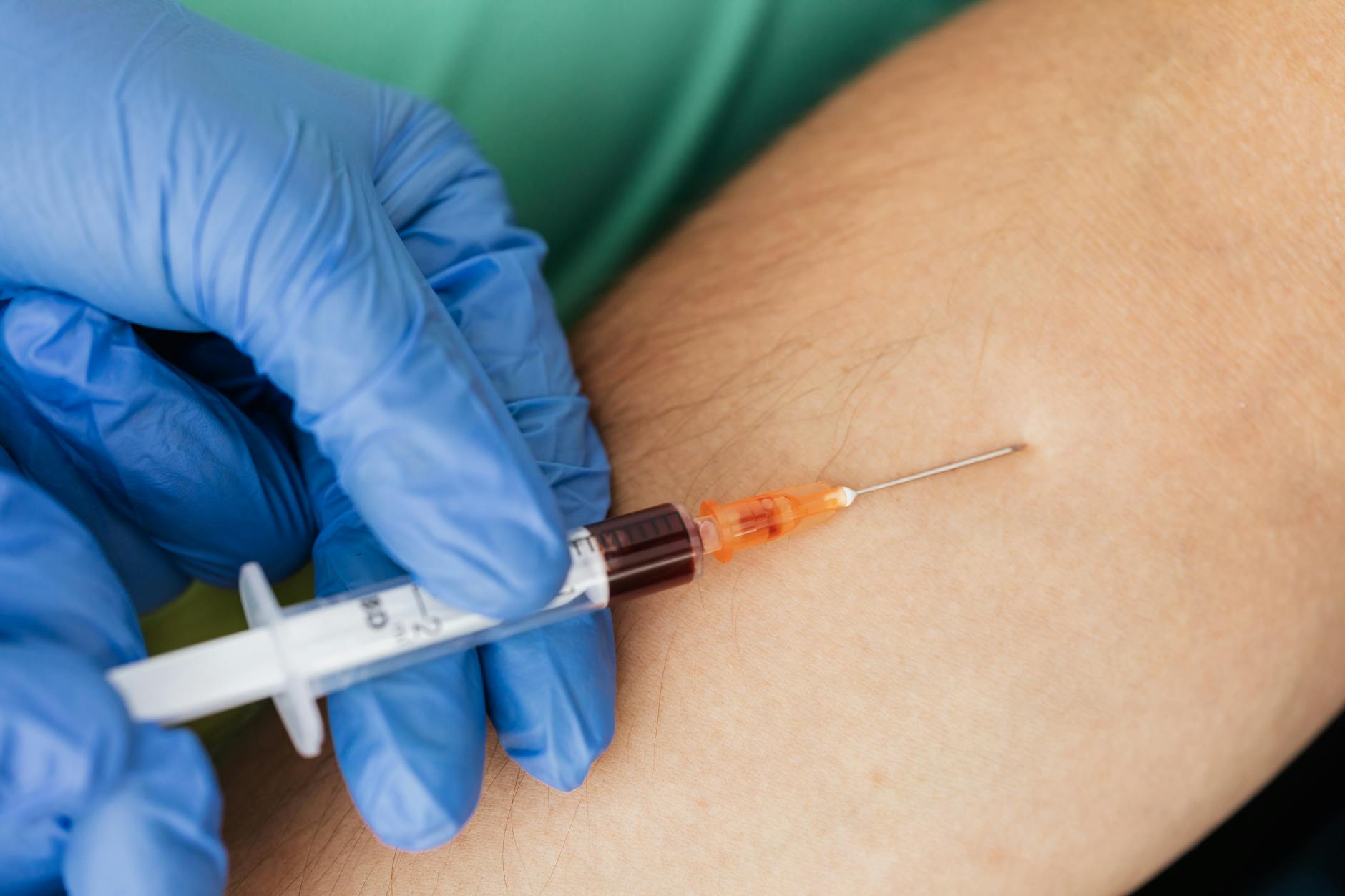
Blood-based biomarkers work by measuring proteins and other molecules in the blood that reflect what’s happening in the brain. The leading markers include phosphorylated tau (p-tau181 and p-tau217), which indicates tau tangles accumulating in the brain; neurofilament light chain (NfL), a measure of neurodegeneration; and GFAP, a marker of glial cell inflammation. When these proteins are elevated in the blood, they correlate with pathology in the brain that imaging studies confirm, creating an objective window into neurobiological changes happening silently, often years before any memory problems surface. The predictive power is unprecedented. In community-based cohorts followed over many years, people with elevated baseline levels of these biomarkers showed significantly increased risk for developing Alzheimer’s dementia in the future.
This is not speculation or probability—it’s measurable biological cause and effect. A person with normal cognitive function today but abnormal biomarker results can be counseled that their brain is already showing signs of Alzheimer’s pathology, even though they may be thinking clearly now. One important limitation: biomarker positivity doesn’t guarantee someone will develop dementia during their lifetime. Some people with abnormal blood biomarkers never progress to symptomatic disease, highlighting that Alzheimer’s is not entirely deterministic. The presence of pathology is necessary but not always sufficient for clinical dementia—other factors like cognitive reserve, genetic protection, and lifestyle choices influence whether pathology translates into lost memories and function.
Machine Learning Models Achieving 94-95% Accuracy in Detecting Disease Progression
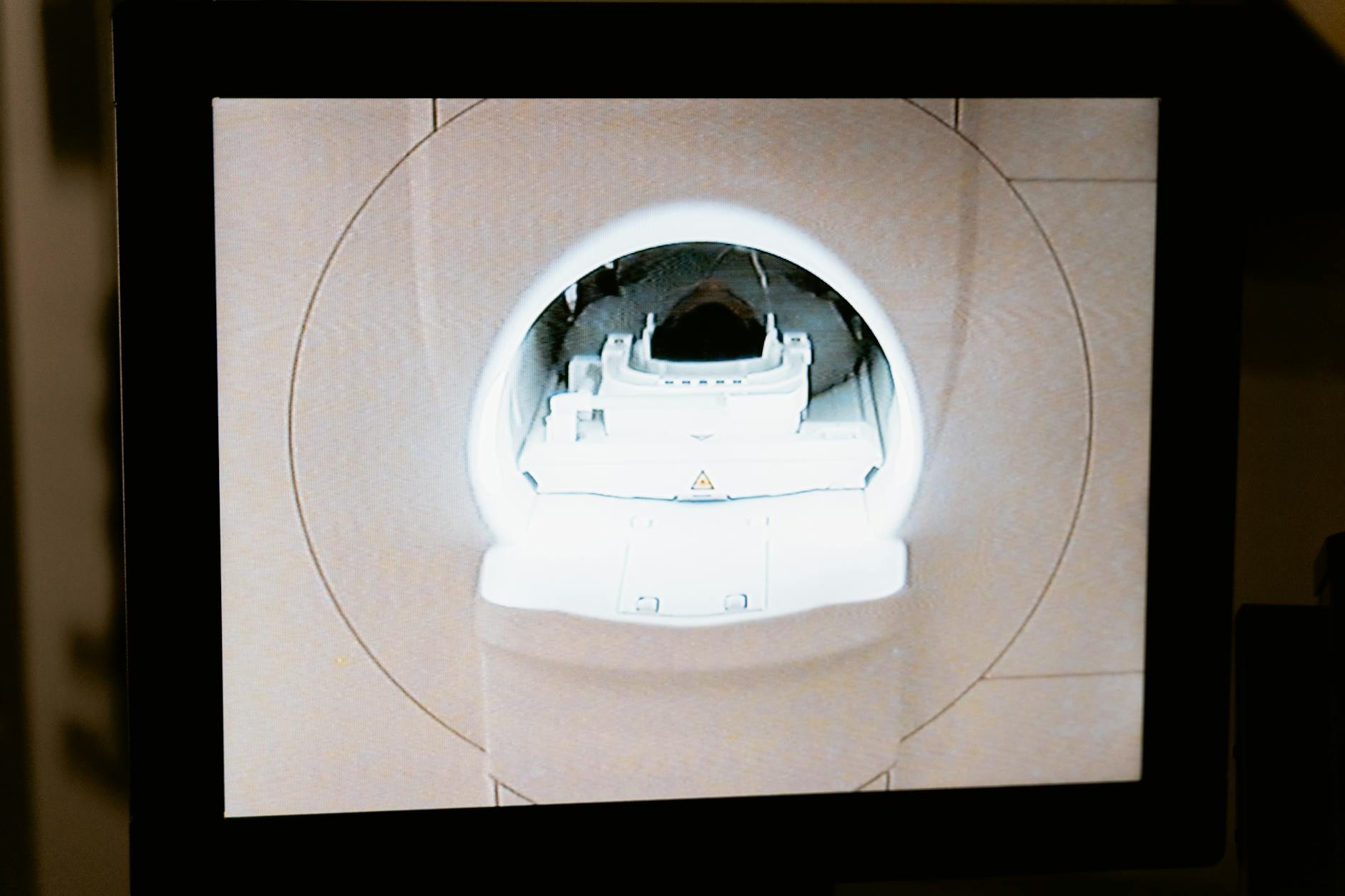
Artificial intelligence has become central to extracting maximum information from brain imaging data. Convolutional neural network (CNN) models trained on MRI and PET scans are now achieving validation accuracies of 94-95%, meaning they correctly identify which brains are progressing toward Alzheimer’s more than 9 times out of 10. Region-guided models that focus on brain areas most affected by Alzheimer’s, like the hippocampus, are performing even more precisely in some studies. These AI systems don’t just classify whether someone has Alzheimer’s or not—they’re tracking progression between clinical stages. A person might scan as early mild cognitive impairment at their first visit, then six months later the algorithm detects accelerating atrophy patterns in the temporal lobe that predict faster cognitive decline.
Gradient Boosting classifiers have achieved 93.9% accuracy with 91.8% F1-scores, meaning they’re reliable at both avoiding false alarms and catching true cases of progression. However, the challenge lies not in the AI’s accuracy but in clinical translation and data standardization. A model trained on MRI scans from one medical center may perform differently with scans from another if imaging protocols differ. Additionally, these algorithms require access to specialized neuroimaging—not every primary care doctor’s office has cutting-edge MRI capabilities or trained personnel to interpret AI-flagged results. The most accurate system is only useful if patients can actually access it and clinicians know how to act on the findings.
Advanced PET Imaging Revealing Hidden Neuroinflammation and Synaptic Loss
Beyond standard MRI, newer PET imaging techniques are directly visualizing the cellular basis of Alzheimer’s progression. TSPO (mitochondrial translocator protein) imaging reveals neuroinflammation—the activation of immune cells in the brain that accelerates neurodegeneration. When a patient undergoes TSPO-PET scanning, areas of elevated TSPO uptake light up like a map of the brain’s inflammatory hot zones, showing which regions are under immune attack. Another emerging marker is SV2A (synaptic vesicle glycoprotein 2A), imaged using the 11C-UCB-J tracer. This biomarker directly measures synaptic density—how many functional connections remain between neurons.
In Alzheimer’s, synapses are lost before cell bodies die, so SV2A imaging captures this earlier pathology. Someone experiencing mild forgetfulness might show preserved overall brain volume on conventional MRI but significant synaptic loss on SV2A imaging, explaining their cognitive symptoms at a microscopic level. The practical limitation is that these advanced PET scans are expensive, require access to specialized PET centers, and involve radiation exposure. They’re not screening tools for the general population but rather refined diagnostic instruments for people already showing signs of cognitive change. A patient with mild memory problems might warrant SV2A-PET to confirm that synaptic loss, not just normal aging, is driving their symptoms. But a cognitively normal 50-year-old wouldn’t typically access these scans outside of research studies.
The Strategic Shift From Diagnosis After Symptoms to Detection Before
The Alzheimer’s Association’s new 2026 vision explicitly embraces early detection and prevention—moving medicine from its traditional reactive posture (waiting for people to develop dementia, then treating them) to proactive identification of at-risk individuals during a window when intervention might slow or prevent disease. This shift has practical implications. A person whose blood biomarkers suggest early Alzheimer’s pathology but who still thinks perfectly clearly might now be offered lifestyle interventions, experimental medications, or closer monitoring. Instead of receiving a dementia diagnosis at age 75 when the disease is far advanced, that same person might receive a “preclinical Alzheimer’s” label at 59, opening a decade-long opportunity for disease modification.
Some clinical trials are now enrolling people based on biomarkers alone, without waiting for cognitive decline—a strategy that wasn’t possible when diagnosis required memory loss. The tradeoff is that earlier detection increases the total number of people labeled as having disease. Some biomarker-positive individuals might experience psychological burden from knowing they have brain pathology, even if they never develop symptoms. The challenge for clinicians is communicating that biomarker positivity means risk, not destiny, and helping patients decide whether preventive interventions are appropriate given their individual circumstances and values.
Digital Biomarkers and Wearables: Continuous Monitoring Between Clinic Visits
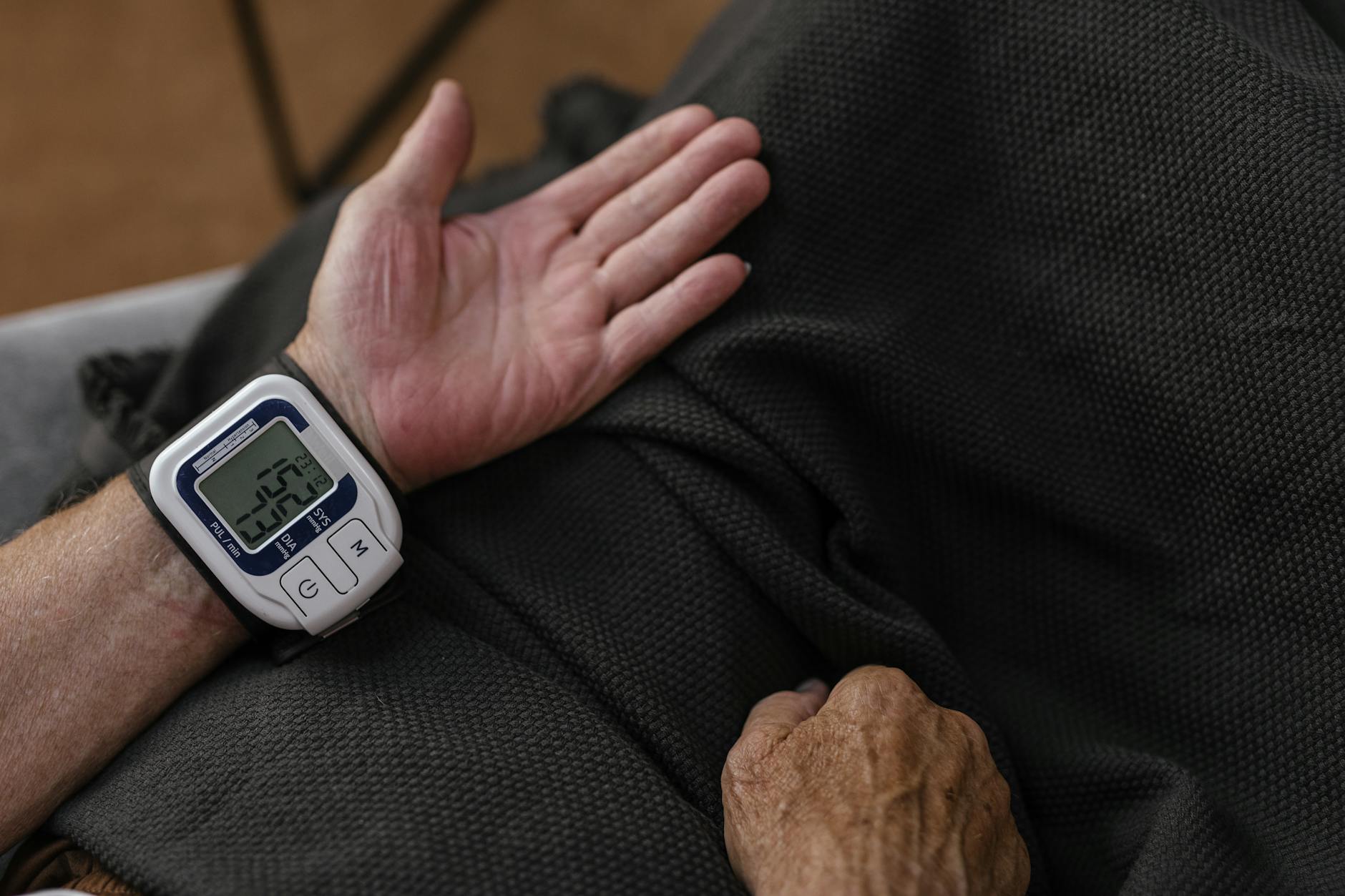
While blood tests and brain imaging happen at scheduled appointments, emerging digital biomarkers capture data continuously through wearables and smartphone apps. Gait changes, sleep disturbance, speech patterns, and reaction time—all subtle markers of neurological change—can be tracked in real time through smartwatches, voice recordings, and interactive apps. For example, a smartwatch continuously monitoring someone’s sleep might detect fragmentation and slow-wave sleep reduction, changes that precede cognitive decline. A smartphone app administering brief cognitive games weekly might reveal subtle slowing of processing speed before the person consciously notices memory problems.
When combined with blood biomarkers and imaging, these digital signals create a multimodal portrait of disease progression that’s far richer than any single test. A significant warning: digital biomarkers are still largely research tools without strong clinical validation in typical populations. Most studies have been conducted in specialized research cohorts, not in diverse community-dwelling older adults. Someone relying on a smartphone app to detect Alzheimer’s is likely getting unreliable data. Additionally, privacy concerns around continuous health tracking have not been fully addressed—people need to understand what data is collected, who has access, and how it’s used.
Integrating Multimodal Data for Personalized Progression Predictions
The future of tracking Alzheimer’s involves combining blood biomarkers, advanced imaging, AI analysis, digital biomarkers, and genetic information into integrated prediction models unique to each person. A 62-year-old with a specific genetic risk variant (like APOE4), abnormal p-tau217 in blood, detectable amyloid on PET, and early hippocampal atrophy on MRI receives a different prognosis and management plan than a cognitively normal 68-year-old with biomarkers positive but no imaging findings.
These multimodal approaches are already being evaluated in longitudinal research cohorts. The result isn’t just a binary “yes, you have Alzheimer’s” or “no, you don’t,” but a personalized risk trajectory—a prediction that someone will progress to mild cognitive impairment within 5-7 years if left untreated, for example, allowing targeted intervention timing.
The Path Forward: Earlier Intervention Windows and Prevention Possibilities
As tracking becomes more accurate, the field is simultaneously developing preventive and disease-modifying treatments to use during these early detection windows. Monoclonal antibodies targeting amyloid and tau are now showing modest cognitive benefits when given in early stages, rather than waiting for advanced dementia.
Future developments may include combination therapies targeting multiple pathological pathways simultaneously—amyloid plus tau plus inflammation. The ultimate goal isn’t just to detect Alzheimer’s earlier, but to intervene early enough to prevent progression or slow decline meaningfully. Accurate tracking makes this possible by identifying the people most likely to benefit from treatment and monitoring whether interventions are working through repeat biomarker and imaging assessments, rather than waiting years for cognitive decline to become apparent.
Conclusion
The accuracy of Alzheimer’s progression tracking has fundamentally improved through blood biomarkers that predict disease a decade or more before symptoms, AI models achieving 94-95% accuracy on imaging analysis, advanced neuroinflammation and synaptic imaging, and integrated digital biomarkers. These advances have shifted the paradigm from reactive diagnosis of dementia to proactive detection of preclinical disease—creating opportunities for earlier intervention during a window when the brain is still relatively preserved. The Alzheimer’s Association’s new clinical guidelines on blood biomarkers reflect that these are now mainstream diagnostic tools, not experimental research methods.
For someone concerned about cognitive decline or at genetic risk for Alzheimer’s, the path forward is clearer than ever: discuss with a neurologist or memory care specialist whether blood biomarker testing and advanced imaging are appropriate for your situation. Early detection is only valuable if it leads to concrete actions—whether that’s lifestyle changes, experimental medications, clinical trial participation, or preventive interventions supported by emerging evidence. The accuracy of tracking is now the limiting factor; the challenge ahead is ensuring that accurate detection translates into meaningful, timely care.
Frequently Asked Questions
Can blood tests diagnose Alzheimer’s disease right now?
Blood tests can identify Alzheimer’s pathology and predict future dementia risk, but they don’t provide a clinical diagnosis of dementia alone. Diagnosis requires clinical correlation—a person must have cognitive symptoms documented through testing, and biomarkers must be abnormal. However, the Alzheimer’s Association’s 2025 guidelines now recommend biomarker testing as part of the diagnostic evaluation, making blood tests a standard component of diagnosis rather than optional.
How far in advance can blood biomarkers predict Alzheimer’s?
Research shows blood biomarkers can predict dementia onset up to 16 years in advance, but the timeline varies. Some people with abnormal biomarkers progress within a few years; others never develop symptoms during their lifetime. Your age, genetic background, other health conditions, and lifestyle all influence whether biomarker positivity translates into future cognitive decline.
If my blood biomarkers are abnormal but my thinking is fine, should I panic?
No. Abnormal biomarkers indicate brain pathology is present, but they don’t determine your fate. Many biomarker-positive people remain cognitively normal for years or decades. This is an opportunity to discuss preventive strategies with your doctor—lifestyle measures, monitoring plans, and potentially clinical trial participation—but not a cause for catastrophizing.
Are these new tracking methods available to everyone?
Blood biomarker tests are increasingly available through commercial labs and memory clinics, though insurance coverage varies. Advanced PET imaging and AI-analyzed MRI scans are more specialized and available mainly at major medical centers and research institutions. Digital biomarker apps are accessible but unregulated—many lack clinical validation.
What should I do if I want to be tracked for Alzheimer’s progression?
Start by discussing your risk factors and concerns with your primary care doctor or a neurologist specializing in cognitive disorders. If you have memory concerns or significant family history, neuropsychological testing and biomarker evaluation are appropriate starting points. If you’re cognitively normal but at high risk, ask whether biomarker testing and longitudinal monitoring make sense in your situation.