Reviewed by the Help Dementia Editorial Team — our editors review every article for accuracy against guidance from the National Institute on Aging, the Alzheimer’s Association, and peer-reviewed sources.
Recent research underscores what healthcare experts have long understood: preventing disease is far more effective and affordable than treating it after it develops. For those concerned about dementia and cognitive decline, this principle becomes even more critical. Preventive care—encompassing regular health screenings, lifestyle modifications, risk factor management, and early detection—can significantly reduce the likelihood of developing dementia and other age-related cognitive diseases. A person in their 50s who maintains cardiovascular health, manages blood pressure, and stays cognitively engaged may delay or prevent the onset of dementia by years or even decades, while someone who ignores these factors might face diagnosis before they reach their 70s.
The evidence is compelling: approximately 70% of all healthcare costs are driven by preventable conditions, meaning the majority of what we spend on medical care could be avoided through proactive intervention. For brain health specifically, this translates into concrete opportunities. High blood pressure, diabetes, obesity, and physical inactivity all accelerate cognitive decline. Yet many people don’t begin addressing these risk factors until a health crisis forces them to—by which point neurological damage may already be underway.
Table of Contents
- Why Does Preventive Care Matter More for Brain Health Than Other Conditions?
- The Hidden Cost of Neglecting Preventive Care
- What Does Brain-Focused Preventive Care Actually Include?
- Digital Health and Real-Time Prevention Monitoring
- The Gender and Access Gaps in Preventive Care Utilization
- Cognitive Screening and Early Detection as Prevention
- The Shift From Reactive to Proactive Healthcare and What It Means
- Conclusion
Why Does Preventive Care Matter More for Brain Health Than Other Conditions?
The brain is uniquely vulnerable to cumulative damage from untreated health conditions. Unlike some organs that can recover with intervention, neurons lost to disease or stroke do not regenerate. Once cognitive decline begins, slowing its progression becomes the primary goal; reversal is rarely possible. This makes prevention not just preferable but essential. A person who controls their cholesterol at age 45 protects their brain from vascular damage that might otherwise manifest as vascular dementia at age 70.
Someone who treats sleep apnea in their 50s prevents the nightly oxygen deprivation that contributes to cognitive impairment. The statistics reflect the cost of inaction. Individuals with one or more chronic conditions—the very conditions that accelerate cognitive decline—account for $1.5 trillion per year in healthcare spending. Yet a significant portion of this spending goes toward managing advanced disease rather than preventing it in the first place. The research shows that approximately $45 billion per year in potential healthcare savings could be realized through widespread use of disease management, postdischarge care, and case management for key chronic conditions. For dementia specifically, preventing or delaying onset by even five years reduces the total lifetime cost of care and extends quality of life.
The Hidden Cost of Neglecting Preventive Care
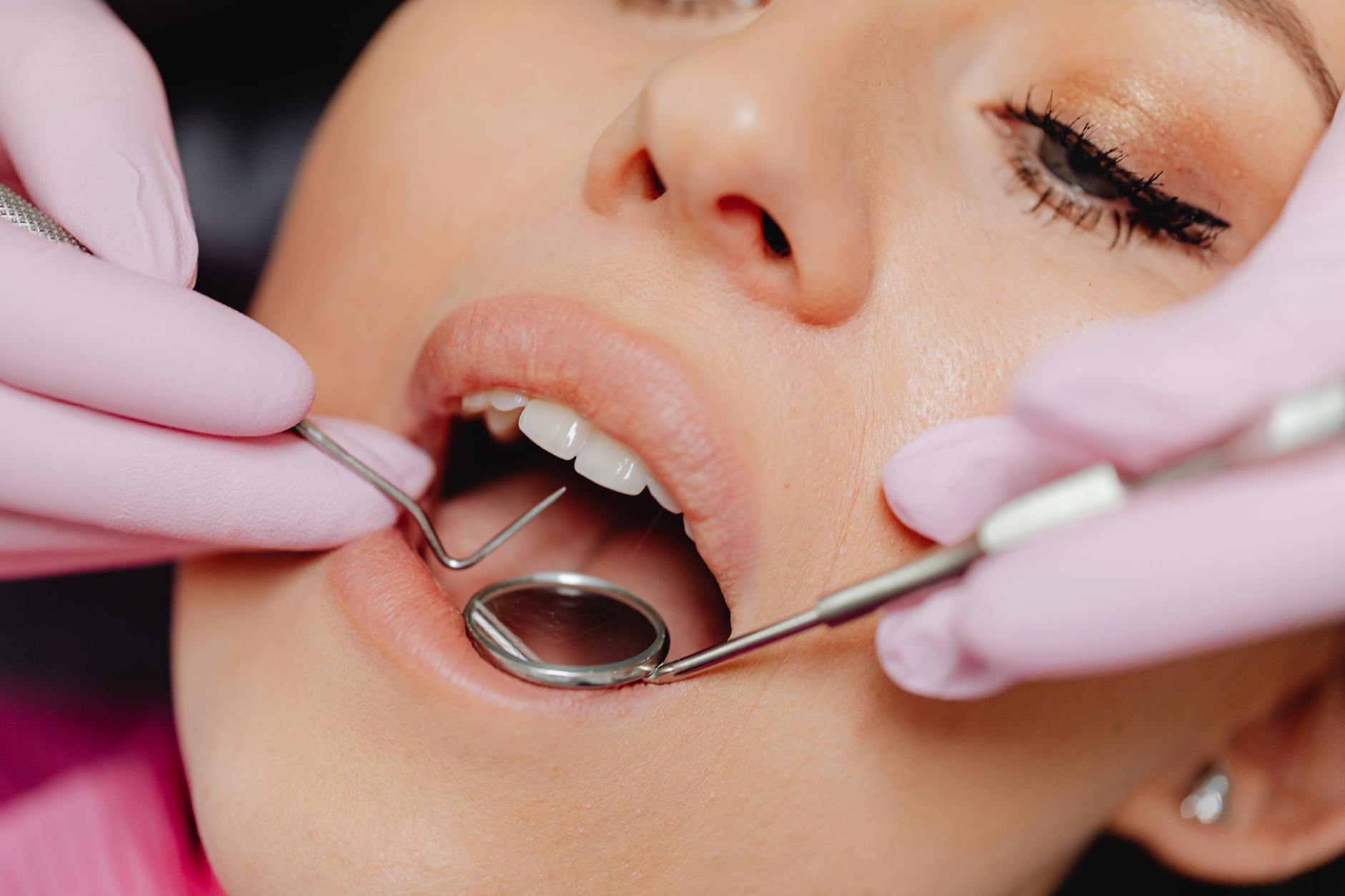
Preventive services remain vastly underfunded relative to their impact. In 2019, only $204 per person was spent on preventive services—just 3.5% of total healthcare spending. This underinvestment is counterintuitive given the returns. The implication is stark: many people are not receiving the preventive screening and counseling they need because the healthcare system is structured around treating disease rather than preventing it.
For dementia prevention specifically, this underfunding has real consequences. Cognitive screenings that could identify mild cognitive impairment early are often not offered until symptoms become obvious. Blood pressure monitoring, cholesterol management, and diabetes prevention programs—all critical for protecting the brain—remain underutilized. Some people go years without a comprehensive health assessment despite multiple modifiable risk factors for dementia. The limitation of current preventive care systems is their passivity: people must actively seek screening and lifestyle programs rather than having them systematically offered as part of routine care.
What Does Brain-Focused Preventive Care Actually Include?
Effective preventive care for dementia and cognitive health encompasses several overlapping strategies. Medical screenings form the foundation: regular assessment of blood pressure, cholesterol, blood glucose, and cognitive function. A person with family history of dementia should be receiving cognitive screening in their 40s or 50s, not waiting until their 70s when decline is already evident. Lifestyle modifications—regular physical activity, Mediterranean-style diet, cognitive stimulation, social engagement, and quality sleep—address modifiable risk factors with strong evidence behind them.
The practical challenge is integration. Many people receive preventive care in fragments: a blood pressure check at one visit, cholesterol testing at another, but no coordinated assessment of overall dementia risk or personalized prevention plan. Someone might learn from their cardiologist that they have hypertension but not understand its connection to cognitive decline, or hear from their primary care doctor that they should exercise more without specific guidance on how that protects their brain. Effective prevention requires connecting these dots, which many healthcare systems still do not do well.
Digital Health and Real-Time Prevention Monitoring
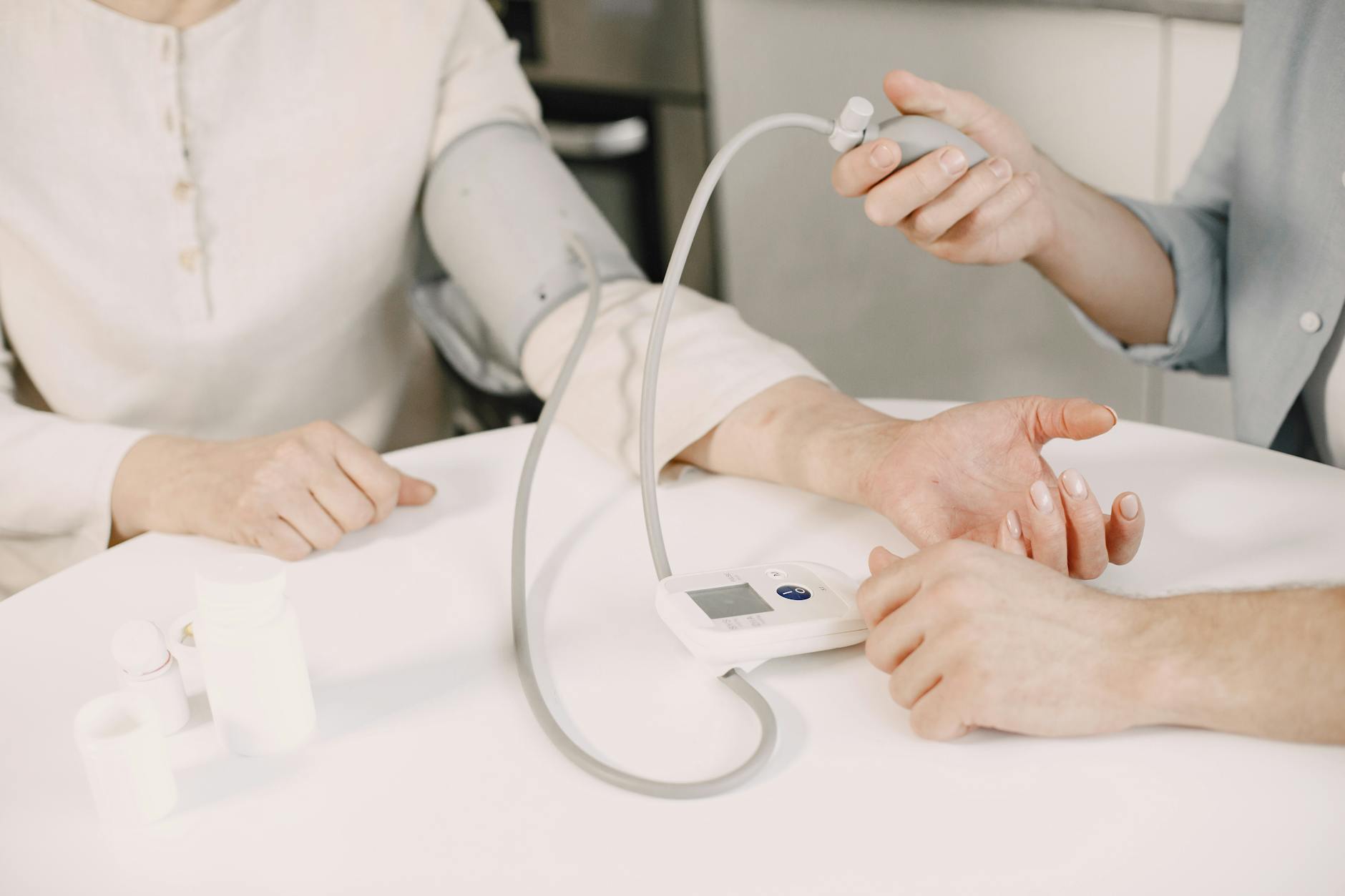
The landscape of preventive care is shifting rapidly. Digital health integration—including wearable devices, telehealth, and health monitoring apps—is becoming central to proactive preventive care strategies. A person can now track their daily steps, heart rate variability, sleep quality, and blood pressure from home, providing their healthcare provider with continuous data rather than snapshots at annual visits. This real-time information enables earlier detection of problems that affect brain health, such as atrial fibrillation or hypertension.
The advantage is clear: wearables and digital platforms enable earlier intervention. Someone whose blood pressure readings are trending upward can adjust medications or lifestyle before damage occurs, rather than discovering the problem years later during routine screening. However, a limitation exists: not all populations have equal access to these tools, and data interpretation requires healthcare provider involvement. A person who monitors their blood pressure with a wearable but receives no guidance on what the data means is no better off than someone receiving no monitoring at all.
The Gender and Access Gaps in Preventive Care Utilization
Data from 2022 reveals significant disparities in preventive care access and utilization. Women visited hospitals or healthcare facilities for preventive care at a rate of 76.6 per 100 individuals, while men visited at a rate of 45.4 per 100. This disparity is concerning because men face equal or higher risk for dementia and stroke, yet they receive less preventive screening. The overall rate of preventive care office visits was 61.4 per 100 individuals—meaning roughly four in ten people are not receiving regular preventive care visits at all.
These gaps reflect both healthcare system factors and individual choices. Some men are less likely to seek preventive care due to cultural attitudes about health maintenance. Some populations lack reliable access to preventive services due to geographic, financial, or insurance barriers. A significant warning here: people who believe they are in good health and have no symptoms are often the least likely to seek preventive screening, yet they may have undiagnosed hypertension, prediabetes, or early cognitive impairment. Prevention only works when people engage with it consistently, regardless of how they feel.
Cognitive Screening and Early Detection as Prevention
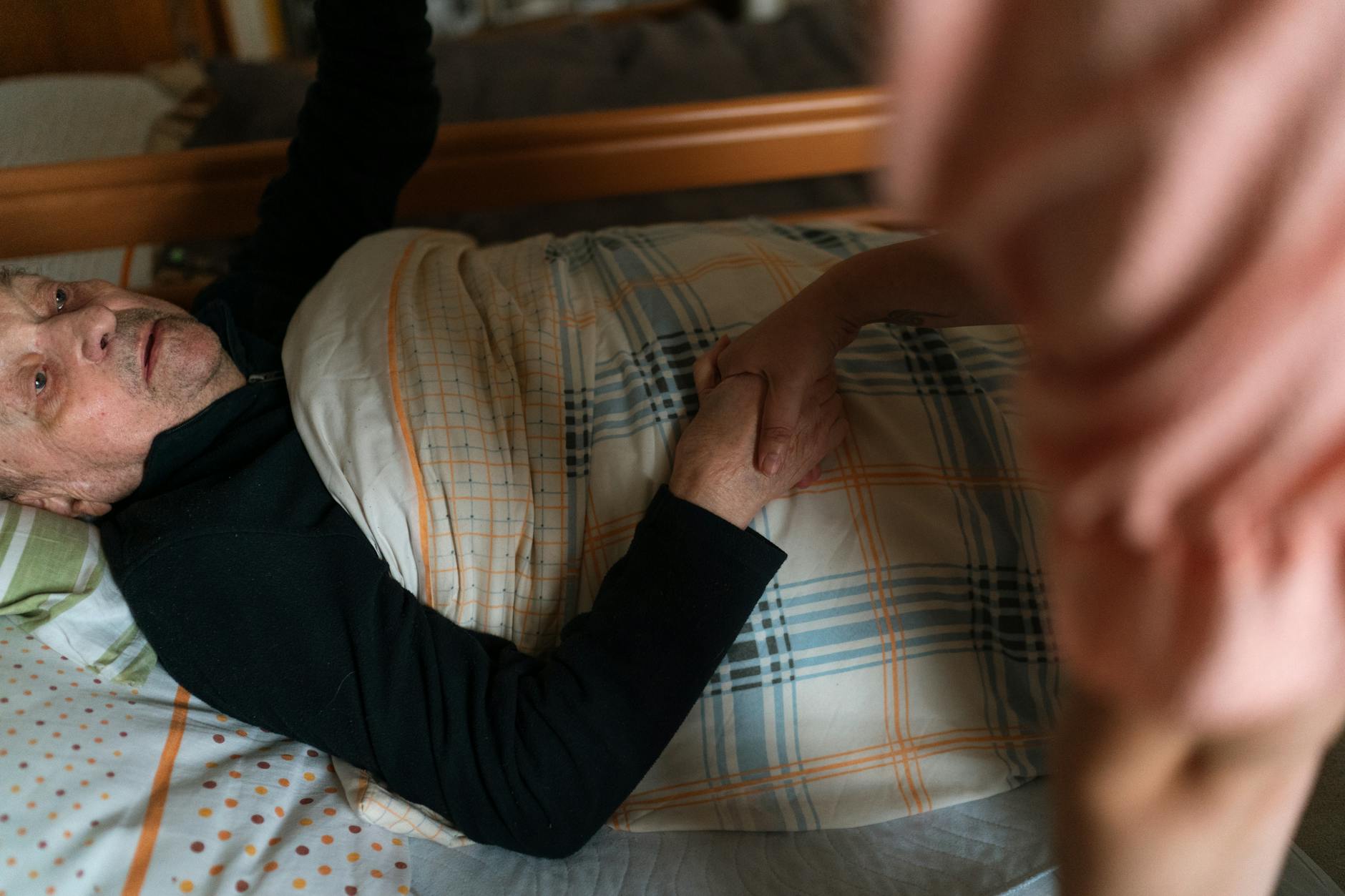
Cognitive screening—simple tests that assess memory, thinking speed, and language—serves as an early warning system for dementia. Unlike treatment after diagnosis, cognitive screening in the normal or mildly impaired stage allows intervention when lifestyle changes and medical management can have the greatest impact. A person who learns at age 62 that they have mild cognitive impairment can begin intensive cognitive training, cardiovascular exercise, social engagement, and close medical monitoring. That same person diagnosed at age 75 faces a much steeper trajectory of decline.
The challenge is access and standardization. Many primary care doctors do not routinely screen for cognitive impairment, particularly in younger-old adults who may not yet show obvious symptoms. Brief screening tests like the Montreal Cognitive Assessment (MoCA) take only 10-15 minutes but require provider knowledge and willingness to administer them. When screening does occur and impairment is detected, the next step—connecting the person with appropriate interventions—is often unclear, leaving patients and families unsure how to proceed.
The Shift From Reactive to Proactive Healthcare and What It Means
Healthcare systems worldwide are gradually shifting from reactive care—treating illness after it develops—to proactive care that emphasizes prevention and early detection. This shift is driven by economics: as medical costs continue rising (projected at 8.5% for group markets and 7.5% for individual markets in 2026), the unsustainability of reactive treatment becomes impossible to ignore. For dementia specifically, this transition means healthcare providers are beginning to systematically identify and manage risk factors rather than waiting for cognitive symptoms to appear. Looking forward, this shift will intensify.
Artificial intelligence and machine learning are being developed to identify individuals at highest risk for dementia based on their health data, enabling targeted prevention efforts. Telehealth allows people in rural areas to access preventive counseling and screening. The future likely involves more systematic, personalized prevention plans where individuals receive specific guidance tailored to their unique risk profile. However, realizing this potential requires significant healthcare system restructuring and investment in prevention—a change that takes time and political will to implement fully.
Conclusion
The research and data are clear: preventive care, particularly for brain health and dementia risk, represents the most effective and cost-efficient approach to maintaining cognitive function and quality of life. The challenge is not a lack of knowledge about what works—regular health screening, cardiovascular exercise, blood pressure control, cognitive stimulation, and social engagement all reduce dementia risk—but rather translating that knowledge into systematic practice across healthcare systems and populations.
If you are concerned about dementia risk, the most important action is proactive: schedule a comprehensive health assessment with your primary care provider, discuss your family history and personal risk factors, ask specifically about cognitive screening, and commit to the lifestyle changes with the strongest evidence behind them. Prevention works best when started early and sustained consistently. The study highlighting the importance of preventive care is not a call to wait passively for future healthcare innovations, but an urgent reminder that the time to protect your brain health is now.