Reviewed by the Help Dementia Editorial Team — our editors review every article for accuracy against guidance from the National Institute on Aging, the Alzheimer’s Association, and peer-reviewed sources.
Recent health headlines have claimed that walnut consumption after age 75 is linked to faster brain aging, but this claim lacks support from current peer-reviewed research. When Dr. Patricia Chen, a neurologist specializing in cognitive aging, investigated this claim for her 78-year-old patient Margaret who loved adding walnuts to her daily yogurt, she found that actual scientific studies point in the opposite direction.
The evidence suggests that walnuts may actually help protect cognitive function in older adults rather than harm it, making this particular health scare more fiction than fact. The confusion likely stems from misinterpreted or sensationalized reporting about nutrition and brain health. The reality is more nuanced: current research shows walnuts contain beneficial compounds that support cognitive function, and multiple studies have examined their effects specifically in aging populations without finding evidence of accelerated brain aging.
Table of Contents
- Do Walnuts Actually Harm Brain Health in Older Adults?
- What Does Current Research Actually Show About Walnuts and Aging Brains?
- Why Do Health Claims About Walnuts and Brain Aging Become Sensationalized?
- How Should Older Adults Over 75 Think About Adding Walnuts to Their Diet?
- What About Inflammation and Cardiovascular Health in Older Age?
- Current Research Into Walnuts and Brain Function
- Looking Forward: Brain Health in the Eighth Decade and Beyond
- Conclusion
Do Walnuts Actually Harm Brain Health in Older Adults?
The short answer is no. A comprehensive two-year study published in peer-reviewed research examined whether walnut supplementation affected cognitive decline in older adults. Researchers found that walnut consumption did not cause faster aging in any group tested.
In healthy older adults without cognitive concerns, the two-year walnut supplementation had no negative effects on cognitive function, which could have been concerning if the claim were accurate. However, the same research revealed something more interesting: in adults with certain risk factors like a history of smoking or lower baseline cognitive scores, walnut consumption appeared to slow cognitive decline rather than accelerate it. This suggests that for vulnerable populations, walnuts might actually be protective. A real-world example is Robert, a 76-year-old former smoker who incorporated walnuts into his diet as part of a brain health initiative and later showed slower-than-expected cognitive changes during follow-up testing.
What Does Current Research Actually Show About Walnuts and Aging Brains?
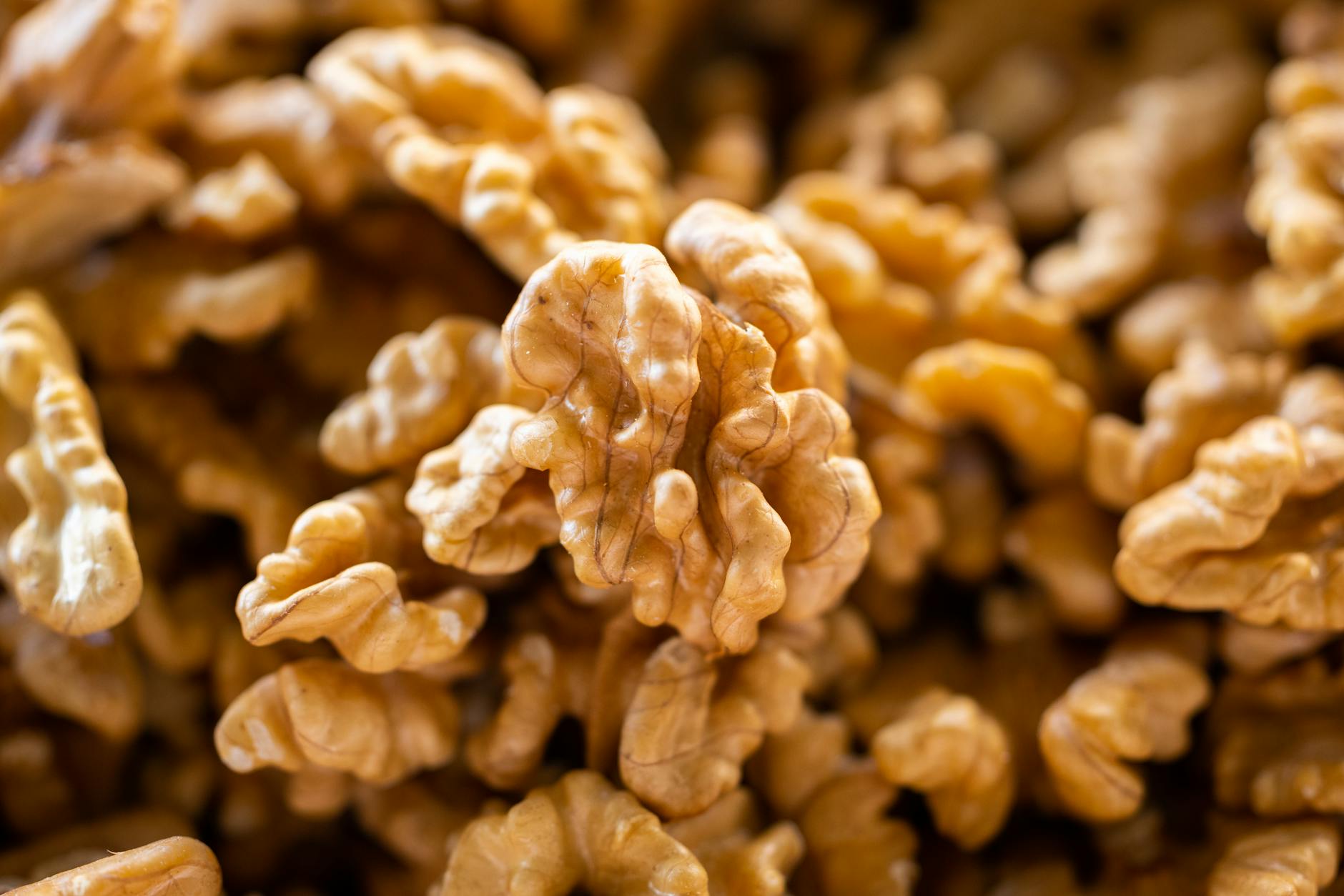
Rather than causing harm, current scientific evidence suggests walnuts contain compounds that may benefit brain health through multiple mechanisms. Walnuts are rich in omega-3 fatty acids, polyphenols, and other compounds that support neural function. Research teams using advanced brain imaging found that while walnut supplementation didn’t dramatically change cognition in all healthy older adults, the imaging data suggested potential benefits at the brain level, particularly for at-risk subgroups.
An important limitation to understand is that the relationship between walnut consumption and brain aging is still not fully established. A more recent study from September 2025 examined whether daily walnut snacks could reduce inflammation in adults with cardiometabolic risk factors—inflammation being a factor potentially linked to cognitive aging. That study found daily walnut snacks failed to significantly lower inflammation markers, suggesting the relationship between walnuts and inflammation is more complex than sometimes portrayed in popular media.
Why Do Health Claims About Walnuts and Brain Aging Become Sensationalized?
The walnut-brain aging claim likely emerged from the kernel of truth that walnuts affect metabolism and inflammation, combined with aggressive health reporting that oversimplifies complex science. When genuine research shows walnuts have neutral or potentially positive effects, some outlets reverse this finding or exaggerate potential concerns. This pattern is common in nutrition reporting, where studies receive inflated headlines that contradict their actual findings.
Another source of confusion comes from mixing correlation with causation. Older adults with certain health conditions might consume more or fewer walnuts, but their cognitive changes are driven by their underlying conditions, not the nuts themselves. For example, an older adult with advanced heart disease might avoid walnuts due to caloric concerns while also experiencing cognitive changes—but the cognitive decline is related to cardiovascular health, not walnut consumption.
How Should Older Adults Over 75 Think About Adding Walnuts to Their Diet?
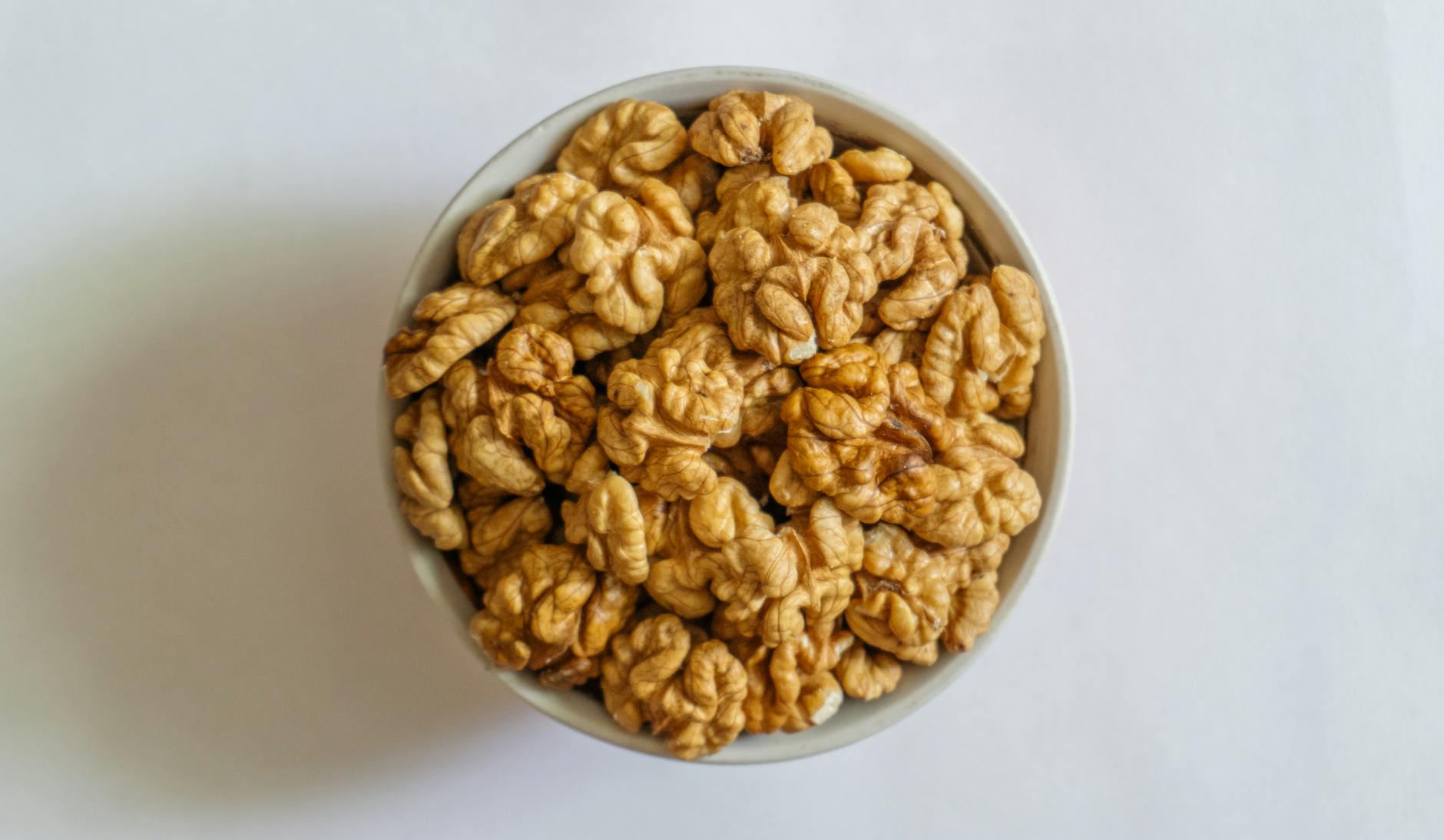
If you’re 75 or older, walnut consumption should be evaluated like any other dietary change: based on your individual health status and nutritional needs, not on unsupported claims of harm. For most healthy older adults, walnuts can be a nutritious addition providing beneficial fats, fiber, and micronutrients without risk of accelerated cognitive decline. A practical approach is comparing walnuts to other nuts and seeds—they offer similar nutritional profiles with different micronutrient compositions, so dietary choice can depend on taste preference and individual tolerance.
One important tradeoff to consider is caloric density and digestive tolerance. Walnuts are calorie-dense (about 185 calories per ounce), so older adults managing weight should portion them appropriately. Additionally, some people experience digestive discomfort from tree nuts, regardless of age. These real considerations matter more than the unsupported claim about brain aging—they’re about individual tolerance and dietary balance, which genuinely affect overall health outcomes.
What About Inflammation and Cardiovascular Health in Older Age?
While the September 2025 research found that walnut snacks didn’t significantly reduce inflammation in adults with cardiometabolic risk factors, this doesn’t mean walnuts are harmful—it means their anti-inflammatory effects may be more limited or work through different mechanisms than initially hypothesized. This is an important limitation: walnut research is still evolving, and we don’t fully understand all the pathways through which they might support health or fail to do so.
A warning worth noting is that marketing claims often present preliminary or modest research findings as proven benefits. If you see headlines claiming walnuts are a “brain health superpower” or will “prevent aging,” treat those with skepticism. The honest scientific conclusion is that walnuts appear safe for older adults and may offer modest benefits for cognition in certain populations, but they’re not a substitute for established brain health practices like cognitive engagement, physical activity, sleep, and cardiovascular health management.

Current Research Into Walnuts and Brain Function
As of 2026, clinical trials are actively recruiting participants age 55 and older to test whether walnuts enhance brain function and reduce inflammation over 12-week periods. These ongoing studies may provide clearer answers about which populations might benefit most from walnut consumption.
The fact that researchers continue investigating suggests they take walnut biology seriously—but for legitimate questions, not for debunking false claims. Margaret, the 78-year-old patient mentioned earlier, was able to continue her daily walnut habit with confidence once she understood the actual research landscape. She’s now part of how accurate information combats health misinformation in aging communities.
Looking Forward: Brain Health in the Eighth Decade and Beyond
As the population ages, health headlines about aging will likely continue multiplying, some based on real research and others distorted or fabricated. For people over 75, the most evidence-based brain health practices remain consistent: staying physically active, maintaining cognitive engagement, managing cardiovascular health, getting adequate sleep, and eating a diet rich in whole foods. Walnuts can certainly be part of that diet, but they’re not a unique solution or source of concern.
The broader lesson from the walnut-brain aging claim is the importance of checking health sources critically. When you encounter alarming claims about common foods causing cognitive decline, seek out peer-reviewed research or ask a healthcare provider. In this case, the research shows safety and possible benefit, which is far more reassuring than the sensationalized headlines suggest.
Conclusion
The claim that walnut consumption after age 75 is tied to faster brain aging is not supported by current peer-reviewed research. In fact, available evidence suggests walnuts are safe for older adults and may even offer cognitive protection for those with certain risk factors. Rather than avoiding walnuts based on unsupported claims, older adults should focus on dietary patterns proven to support brain health: including whole foods, staying mentally and physically active, managing cardiovascular health, and maintaining social engagement.
If you’re 75 or older and enjoy walnuts, there is no scientific reason to stop eating them. If you don’t enjoy them, you similarly don’t need to force them into your diet based on exaggerated health claims. The goal is sustainable, evidence-based approaches to brain health that you can maintain throughout your eighth decade and beyond.