Reviewed by the Help Dementia Editorial Team — our editors review every article for accuracy against guidance from the National Institute on Aging, the Alzheimer’s Association, and peer-reviewed sources.
Training simulations sits at the center of this dementia and brain health question.
Training simulations help healthcare workers understand Alzheimer’s and dementia by creating immersive experiences that replicate the cognitive and sensory challenges patients face daily. Rather than simply reading about memory loss or confusion, healthcare professionals and trainees can walk through a structured scenario where they encounter difficulty finding familiar objects, struggle to understand conversations, or experience the disorientation that characterizes dementia. Programs like the Virtual Dementia Tour (VDT) have become widely used across medical schools, nursing programs, and healthcare facilities to build genuine empathy and clinical understanding in a way that traditional classroom education often cannot achieve.
The impact is measurable and transformative. When healthcare workers experience even a brief simulation of dementia symptoms—such as being unable to locate a bathroom in a familiar hallway or struggling to follow a simple instruction due to cognitive fog—they develop a deeper understanding of patient frustration and confusion. This firsthand exposure changes how they approach patient interactions, communication strategies, and care delivery decisions. A nurse who has participated in a dementia simulation is more likely to speak clearly, allow more processing time, and avoid sudden changes in routine, because they now understand the patient’s perspective rather than simply knowing it intellectually.
Table of Contents
- How Do Dementia Simulation Programs Help Healthcare Workers Learn?
- The Evidence Behind Dementia Simulation Training
- Real-World Implementation Examples Across Healthcare Settings
- Building Clinical Competency Through Immersive Learning
- Understanding the Limits of Dementia Simulation Training
- Expanding Access to Dementia Simulation Training
- The Future of Dementia Care Training
- Conclusion
How Do Dementia Simulation Programs Help Healthcare Workers Learn?
Dementia simulation training programs work by creating controlled environments where healthcare students and professionals experience cognitive and sensory challenges that mirror dementia symptoms. The Virtual Dementia Tour, one of the most widely deployed programs, guides participants through scenarios where glasses are blurred to simulate vision changes, earplugs distort sound to mimic hearing loss, and thick gloves make fine motor tasks nearly impossible. Simultaneously, participants receive confusing instructions or sudden environmental changes, replicating the disorientation and anxiety that many people with dementia experience throughout their day. Another prominent program, Dementia Live, was first deployed at Assisted Living Home Care Services in Cheshire, Connecticut, where it provided hands-on simulation experiences for caregivers training to work with individuals living with dementia.
By rotating through different sensory and cognitive challenges, participants gain insight into multiple aspects of the dementia experience rather than focusing on a single symptom. This multi-sensory approach helps healthcare workers understand that dementia is not simply about forgetting—it involves fear, confusion, frustration, and a loss of control over one’s own mind and body. The strength of these simulation programs lies in their ability to shift perspective from caregiver to patient. A healthcare worker might intellectually know that a dementia patient becomes confused easily, but experiencing that confusion firsthand—not being able to find a room you’ve been in before, struggling to understand a question because the words sound garbled—creates an emotional and embodied understanding that classroom instruction alone cannot provide. This visceral learning often leads to immediate behavioral changes in how workers interact with patients.

The Evidence Behind Dementia Simulation Training
Peer-reviewed research published in medical and nursing journals has demonstrated that dementia simulation training produces measurable improvements in healthcare students’ understanding of the losses and challenges experienced by older adults living with dementia. Pre-post analysis studies show that participants significantly increase their empathy and awareness following simulation experiences, and this educational approach is recognized as an effective method for training healthcare students in person-centered dementia care. The research suggests that simulation-based learning activates a different part of the brain than traditional lectures or reading, making the knowledge more durable and more likely to translate into changed behavior in actual clinical settings. However, it is important to acknowledge the limitations of simulation training. A two-hour Virtual Dementia Tour experience, while powerful, cannot fully replicate the sustained cognitive decline, emotional impact, or progressive nature of Alzheimer’s disease.
Healthcare workers experience these sensory and cognitive challenges temporarily and with the knowledge that they will end soon—something that actual dementia patients do not have. Additionally, simulation programs cannot capture the emotional toll of losing your identity, the frustration of losing independence, or the grief that accompanies the disease. A simulation is a tool for building empathy and understanding, not a complete replication of the dementia experience. The CMS-recognized GUIDE (Guiding an Improved Dementia Experience) Model represents a broader innovation in dementia care training, incorporating simulation and other educational approaches to support healthcare professionals’ reflection on clinical decision-making. These evidence-based frameworks acknowledge that healthcare workers need both knowledge and empathy to provide quality care to individuals living with dementia. The research consistently shows that combining simulation experiences with structured reflection and discussion produces stronger long-term outcomes than simulation alone.
Real-World Implementation Examples Across Healthcare Settings
Healthcare facilities across the United States have integrated dementia simulation training into their professional development programs with encouraging results. Medical schools use Virtual Dementia Tour to train first- and second-year medical students before they encounter dementia patients in clinical rotations. Nursing programs incorporate simulation into their curricula to ensure new nurses understand the patient perspective before they begin their careers. Assisted living facilities, memory care units, and home health agencies use programs like Dementia Live to train their direct care staff, who are often the frontline workers with the most daily contact with people living with dementia.
One particular strength of simulation programs in these settings is their ability to interrupt routine thinking and defensive reactions. A nursing assistant might initially believe that a dementia patient’s confusion or resistance to care is intentional stubbornness or manipulation, a belief that can lead to frustration and poor care quality. But after participating in a simulation where they become confused and anxious despite trying their best to cooperate, that same worker often has a profound shift in perspective. Suddenly, they understand that the patient is not being difficult—the patient is genuinely disoriented and frightened. This reframing is powerful enough to change career trajectories and retention rates in dementia care settings, where burnout is a significant problem.

Building Clinical Competency Through Immersive Learning
Simulation-based learning differs fundamentally from traditional didactic education in how it develops clinical competency. When a nurse learns through reading that dementia patients benefit from simple instructions, the knowledge remains abstract. When a nurse experiences how difficult it is to follow a multi-step instruction while wearing earplugs and blurred glasses, they internalize the lesson at a deeper level. This embodied learning creates muscle memory in how they approach patient communication—they naturally slow down, simplify language, and check for understanding without needing to consciously recall a lecture point.
The comparison between simulation-trained healthcare workers and those trained through traditional methods is striking in real-world observations. Workers who have completed dementia simulation training tend to exhibit greater patience with confused patients, better communication skills, and fewer episodes of frustration or conflict in care interactions. They are more likely to use person-centered care approaches that respect the patient’s remaining abilities and autonomy rather than treating them as passive recipients of care. This improvement in clinical approach translates directly into better patient outcomes, including reduced behavioral challenges, improved medication compliance, and higher quality of life.
Understanding the Limits of Dementia Simulation Training
While dementia simulation training is a valuable educational tool, it is not a complete solution to the complex challenges of dementia care, and healthcare leaders should be realistic about what simulations can and cannot accomplish. A healthcare worker who has completed a simulation program still needs ongoing training in specific dementia care techniques, medical knowledge about Alzheimer’s disease and related conditions, and supervised clinical experience with actual patients. Simulation provides empathy and basic understanding, but it does not teach the clinical skills needed to manage behavioral symptoms, recognize when a patient is in pain, or adjust care plans based on disease progression.
Another limitation is that not all healthcare workers who participate in simulations will maintain the empathetic perspective they gain. In busy, understaffed healthcare environments where workers are exhausted and overwhelmed, the insights from simulation training can fade over time. A nurse who initially committed to slower, more patient communication might revert to rushed, efficient interactions if the healthcare system does not support person-centered care with adequate staffing and resources. For simulation training to have lasting impact, it must be reinforced through organizational culture, supervision, and ongoing professional development.

Expanding Access to Dementia Simulation Training
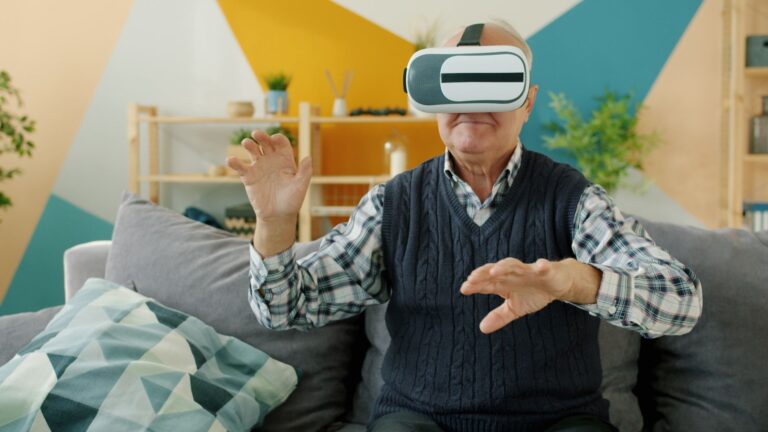
Not all healthcare facilities have equal access to dementia simulation programs, and cost and resource barriers can limit training opportunities in underserved areas. Virtual Dementia Tour and Dementia Live programs require trained facilitators, physical space, and equipment, which can be expensive for small clinics, rural hospitals, or home health agencies with limited budgets. Some healthcare organizations are exploring lower-cost alternatives, such as virtual reality-based dementia simulations that can be delivered remotely, though these programs are still emerging and not yet widely available or validated.
Despite these barriers, the demand for dementia simulation training continues to grow as healthcare systems recognize the connection between empathy-based training and improved patient care. Professional organizations, including nursing associations and geriatric medicine societies, are increasingly advocating for simulation-based dementia training as a standard component of healthcare education. Some states have begun incorporating dementia training requirements into nursing licenses and continuing education mandates, which could increase access to these programs.
The Future of Dementia Care Training
As the population ages and Alzheimer’s disease and related dementias become increasingly prevalent, healthcare systems will need to train more workers in dementia care than ever before. Simulation-based training is likely to remain a key component of this educational pipeline, particularly as technology advances make simulations more accessible and more realistic. Virtual reality and augmented reality technologies may eventually allow healthcare workers to experience more nuanced aspects of dementia, such as the emotional and psychological dimensions of the disease, in ways that current simulations cannot fully capture.
However, the future of dementia care training depends on integrating simulation with other approaches, including person-centered care frameworks, advanced communication training, and family education. Dementia is a disease that affects not just the patient but their entire family and social circle, and healthcare systems that truly address the dementia care gap will need to train not only clinical staff but also families, community members, and informal caregivers. Simulation training for healthcare workers is one important piece of a larger transformation in how society approaches Alzheimer’s disease and dementia care.
Conclusion
Training simulations represent a powerful educational innovation that helps healthcare workers move beyond abstract knowledge about Alzheimer’s disease and dementia to embodied understanding of the patient experience. Programs like the Virtual Dementia Tour and Dementia Live have demonstrated that when healthcare workers experience even brief moments of cognitive confusion, sensory distortion, and disorientation, they develop genuine empathy and insight that translates into more patient-centered, compassionate care. The research supporting simulation-based dementia training is robust, and real-world implementation across medical schools, nursing programs, and healthcare facilities has shown measurable improvements in clinical approach and patient outcomes.
For healthcare workers, patients, and families, the broader message is clear: education about dementia care matters, and the most effective education is the kind that touches both the mind and the heart. If you are a healthcare professional, seeking out dementia simulation training should be a priority in your professional development. If you are a family caregiver or patient, understanding that your healthcare team has received empathy-based training can provide reassurance about the quality of care you receive. The shift toward simulation-based dementia training represents healthcare’s growing recognition that understanding the patient’s perspective is not a luxury—it is a fundamental requirement of quality care.
You Might Also Like
- Team-Based Healthcare Delivery Improves Alzheimer’s Treatment Coordination
- Healthcare Utilization Data Reveals Alzheimer’s Treatment Access Patterns
- Daily Check-In Programs Help Monitor Alzheimer’s Patients Remotely
For more, see CDC — Alzheimer’s and Dementia.