Reviewed by the Help Dementia Editorial Team — our editors review every article for accuracy against guidance from the National Institute on Aging, the Alzheimer’s Association, and peer-reviewed sources.
Music therapy sits at the center of this dementia and brain health question.
Music therapy events are proving highly effective at both directly benefiting Alzheimer’s patients and successfully raising funds for caregiving services and research. Recent 2026 clinical research demonstrates that music therapy improves cognition, attention, memory, and reduces behavioral symptoms like anxiety and depression in Alzheimer’s patients, while simultaneously generating financial support for Alzheimer’s organizations. For example, The Longest Day, an annual Alzheimer’s Association fundraiser, allows participants to organize music-based activities and events in their communities, creating dual-benefit occasions where patients and caregivers engage in therapeutic musical experiences while contributing to awareness and research funding.
The connection between music and Alzheimer’s care has moved beyond anecdotal observation into evidence-based medicine. A comprehensive 2026 systematic review published in a peer-reviewed journal examined 42 studies conducted between 2013 and 2023 and found that music therapy provided measurable benefits across cognition, behavioral and psychological symptoms, quality of life, self-esteem, and physical pain management. These aren’t marginal improvements—they represent clinically significant outcomes that matter to patients and families navigating the progressive nature of Alzheimer’s disease.
Table of Contents
- What Does the Research Actually Show About Music Therapy for Alzheimer’s?
- How Do Active Music Therapy and Passive Listening Compare?
- Why Is Music So Uniquely Powerful for Alzheimer’s Patients?
- What Makes Music Therapy Events an Effective Fundraising Model?
- What Are the Practical Limitations of Music Therapy in Event Settings?
- What Are Current Examples of Music-Centered Alzheimer’s Fundraising Events?
- The Growing Integration of Music Therapy Into Alzheimer’s Care Models
- Conclusion
What Does the Research Actually Show About Music Therapy for Alzheimer’s?
The clinical evidence for music therapy in Alzheimer’s care is substantial and specific. A systematic review examining music’s effect on cognitive functions found positive outcomes in 13 out of 15 studies reviewed, with music therapy improving various memory systems. Beyond memory, the research demonstrates improvements in attention, executive function, self-awareness, working memory, verbal fluency, and motor function. One review found that music therapy was particularly effective at improving mood, reducing depressive scores and trait anxiety, and enhancing autobiographical recall—meaning patients could better access and share personal memories and life experiences.
What makes this evidence compelling is the breadth of outcomes measured across multiple clinical trials. The 42-study systematic review documented benefits that extended beyond cognitive function to include improvements in behavioral and psychological symptoms (addressing anxiety, depression, and agitation), quality of life measurements, and self-esteem. This suggests music therapy works through multiple pathways—not just as a memory aid, but as a genuine therapeutic intervention that affects emotional regulation and overall well-being. For a patient experiencing the frustration and confusion of Alzheimer’s progression, these benefits represent meaningful improvements in daily functioning and emotional state.

How Do Active Music Therapy and Passive Listening Compare?
An important distinction in the research is the difference between active and passive music therapy. Research comparing different approaches found that active music therapy techniques—including singing, rhythm exercises, and music-making with familiar or preferred songs—produced superior results compared to simply having patients listen to music passively. This finding has practical implications for how events and programs should be structured. A patient attending a concert where they’re encouraged to sing along or participate in rhythm activities will likely benefit more than one sitting quietly as an audience member, even if the music is meaningful to them.
This distinction reveals a limitation in how some well-intentioned events are designed. Hosting a classical music concert for Alzheimer’s patients, while pleasant, may not deliver the therapeutic benefits that research supports. The most effective approach combines personalized music selection with active participation. Individualized music regimens—tailored to each patient’s preferences, cultural background, and life history—produced the best outcomes in research studies. This means the optimal music therapy intervention isn’t a one-size-fits-all program but rather a customized approach that honors each person’s unique musical history and preferences.
Why Is Music So Uniquely Powerful for Alzheimer’s Patients?
Music accesses memory and emotion through different neural pathways than those typically damaged by Alzheimer’s disease. Patients who struggle to recognize family members or recall recent events sometimes retain the ability to sing familiar songs or respond emotionally to music from their formative years. This phenomenon isn’t merely touching—it’s neurologically significant. Music engages regions of the brain associated with rhythm, melody recognition, and emotional response, many of which remain relatively preserved in early and moderate Alzheimer’s stages even as other cognitive abilities decline.
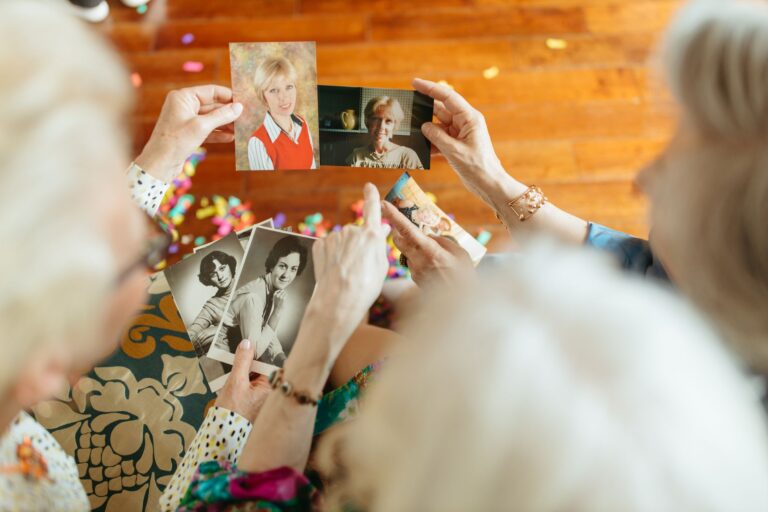
The autobiographical dimension of music is particularly important. A song someone heard during an important period in their life—adolescence, young adulthood, or a significant life event—carries encoded memories and emotions. When that music is reintroduced, it can trigger recall of autobiographical memories, periods of greater coherence, and moments of genuine connection with caregivers and family. Research documented enhanced autobiographical recall and verbal fluency following music therapy, meaning patients could share more complete memories and engage in more extensive conversation. This transforms music from entertainment into a bridge to identity and relationship.

What Makes Music Therapy Events an Effective Fundraising Model?
Events centered on music therapy create natural gathering points for communities affected by Alzheimer’s. They serve the dual purpose of providing therapeutic experience for patients and caregivers while fundraising for organizations that support research and care services. The 2026 Walk to End Alzheimer’s—the world’s largest fundraising event for Alzheimer’s awareness and research—brings together participants across hundreds of locations nationwide. Local chapters often incorporate music elements, creating experiences that are both personally meaningful and financially productive.
Several established 2026 events demonstrate this model’s effectiveness. The Longest Day encourages participants to fundraise through activities of their choosing to support Alzheimer’s Association care, support, and research. The June 20, 2026 Annual 5K Walk & Brain Health Festival on Long Island specifically features music and laughter alongside fundraising, recognizing that therapeutic community connection is inseparable from financial support for research. The October 2026 ALZ NYC Imagine Benefit presents an evening of music and storytelling in New York City, built on the legacy of previous galas. These events work because they’re structured around genuine therapeutic benefit rather than treating music as incidental entertainment—participants and donors see direct connections between the experience and the outcomes research validates.
What Are the Practical Limitations of Music Therapy in Event Settings?
While the research on music therapy benefits is encouraging, important limitations exist. Not all Alzheimer’s patients respond identically to music therapy, and individual preferences matter significantly. A patient who never engaged with music in their earlier life may not experience the same autobiographical or emotional responses. Additionally, creating truly individualized music regimens in group event settings is challenging. A large fundraising walk or festival inherently offers standardized experiences rather than customized interventions.
The therapeutic benefit depends partly on implementation quality—a poorly designed music component won’t deliver the cognitive or emotional improvements research documents. Another practical consideration: music therapy is most effective as part of ongoing care rather than a one-time event experience. While a single beneficial experience has value, the research suggesting improved cognition, memory, and mood typically involves regular music therapy engagement over weeks or months. A patient attending one fundraising event receives some benefit, but sustained therapeutic effect requires repeated exposure. Additionally, event environments can be overstimulating for some Alzheimer’s patients, and the challenge of managing behavior in crowded settings may partially offset therapeutic gains from the music itself. Organizations running these events must balance therapeutic design with logistical realities and individual patient needs.

What Are Current Examples of Music-Centered Alzheimer’s Fundraising Events?
The 2026 calendar includes several established music-connected events. The Making Memories Festival, benefiting Alzheimer’s Los Angeles, is a multicultural music and food festival that brings community together while raising funds for support services. The April 16, 2026 Alzheimer’s New Jersey Spring Gala represents another example of evening events incorporating music and community connection as fundraising mechanisms.
These events go beyond simple awareness-raising; they embody the research principle that music engagement directly benefits participants while simultaneously generating resources for broader organizational missions. What distinguishes successful examples is how they integrate music therapeutically rather than incidentally. Events that incorporate familiar music, encourage participation, and honor individual preferences tend to receive stronger participant feedback and achieve better fundraising outcomes. The research foundation underlying these events—that music therapy delivers measurable cognitive and emotional benefits—gives them credibility with donors and legitimacy with medical professionals and care facilities that refer patients and families to attend.
The Growing Integration of Music Therapy Into Alzheimer’s Care Models
As evidence accumulates for music therapy’s effectiveness, more organizations are incorporating music into standard care rather than treating it as supplementary. This shift is driven partly by research and partly by caregiver and family advocacy. The Alzheimer’s Association now lists music and art therapy as evidence-supported approaches in their professional resources, and the organization actively supports music-integrated events across their national fundraising calendar.
This represents institutional recognition that music therapy isn’t anecdotal but rather a validated intervention. The future trajectory suggests increased integration of individualized music therapy into care programs, potentially using digital technology to match patients with curated playlists based on their personal history and preferences. Events that model best practices—combining active participation, music individualization, and community support—may increasingly become templates for how organizations structure dementia care programming. The intersection of therapeutic efficacy and fundraising effectiveness positions music therapy events as a sustainable model for both patient benefit and resource generation.
Conclusion
Music therapy events represent a convergence of clinical research, community support, and genuine therapeutic benefit. The 2026 research demonstrates measurable improvements in cognition, memory, mood, quality of life, and behavioral symptoms—outcomes that matter deeply to patients and families navigating Alzheimer’s disease. Events like The Longest Day, Walk to End Alzheimer’s, and regional galas structure music therapy engagement in ways that serve both participants and fundraising missions simultaneously.
For families and caregivers seeking meaningful support, investigating local music-focused Alzheimer’s events offers opportunities to engage in evidence-based therapeutic practices while contributing to broader research and care infrastructure. The key is choosing or designing events that prioritize active participation, honor individual music preferences, and recognize music therapy as clinical intervention rather than mere entertainment. As the field continues validating music’s unique power for Alzheimer’s care, these events will likely become increasingly central to how communities support patients while advancing research toward better prevention and treatment.
You Might Also Like
- Physical Therapy Programs Show Functional Benefits for Alzheimer’s Patients
- Hedge Fund Analysis Examines Alzheimer’s Drug Company Valuations
- Relay Events Unite Athletes and Supporters in Alzheimer’s Fundraising
For more, see NIH MedlinePlus — dementia.