Reviewed by the Help Dementia Editorial Team — our editors review every article for accuracy against guidance from the National Institute on Aging, the Alzheimer’s Association, and peer-reviewed sources.
Surprising connection sits at the center of this dementia and brain health question.
Yes, researchers are confirming a genuine connection between gum disease and dementia—and the relationship is strong enough that it’s changing how doctors think about brain health. A landmark National Institute on Aging study analyzing data from over 6,000 participants followed for up to 26 years found that people with untreated gum disease showed higher rates of cognitive decline and dementia. What makes this connection “surprising” is not that doctors discovered it recently, but that the mechanism is now being mapped in detail: the bacteria in your mouth can literally reach your brain, triggering inflammation linked to Alzheimer’s disease and cognitive aging.
The evidence isn’t circumstantial anymore—brain imaging studies now show measurable changes in people with poor periodontal health. This article explores what the research actually shows, why this connection matters for prevention and treatment, and what families caring for someone with dementia should know about oral health. The findings carry a practical message: treating gum disease isn’t just about your teeth. For your brain and long-term survival, it may be one of the most overlooked interventions available.
Table of Contents
- What Does the Research Actually Show About Gum Disease and Dementia Risk?
- How Do Bacteria in Your Mouth Reach Your Brain?
- Why Does Dental Treatment Reduce the Risk of Death in Dementia Patients?
- How Should You Prevent Gum Disease to Protect Your Brain?
- What If You Already Have Dementia? Special Considerations for Caregivers
- The Role of Bacterial Exosomes and Brain Inflammation
- What’s Next? The Future of Oral Health in Dementia Prevention and Care
- Conclusion
What Does the Research Actually Show About Gum Disease and Dementia Risk?
The evidence connecting periodontal disease to dementia has moved beyond isolated findings into a pattern of confirmation across multiple large-scale studies. The National Institute on Aging’s analysis of data from the National Health and Nutrition Examination Survey (NHANES) tracked over 6,000 participants for up to 26 years, finding consistent associations between poor gum health and later cognitive problems. More recently, a 2024 study published in Nature Scientific Reports examined over 1.1 million patients with dementia aged 65 and older in South Korea who underwent dental treatment, providing an enormous real-world sample that can’t be easily dismissed.
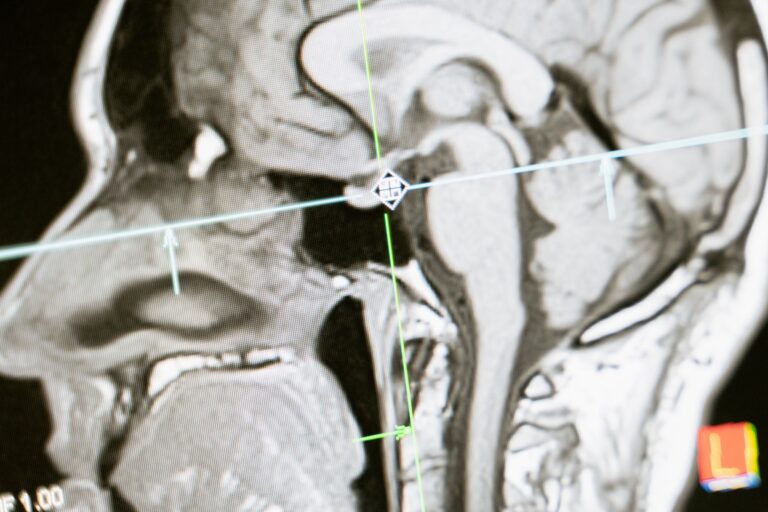
Columbia University researchers in 2024 directly imaged the brains of people with periodontal disease using MRI and found clear markers of Alzheimer’s pathology and cognitive aging in those with poor oral health—this isn’t population data suggesting a link, but actual brain tissue changes visible on scans. However, the 2024 Lancet Commission on dementia risk factors issued an important caveat: while the association is strong and consistent, the evidence doesn’t yet meet the strictest criteria for “consistent and high-quality evidence” to definitively establish periodontal disease as a primary dementia risk factor in the same category as factors like hypertension or cognitive inactivity. This doesn’t mean the research is weak—it means large-scale clinical trials specifically testing whether treating gum disease *prevents* dementia haven’t been completed yet. The association is real, the biological mechanism makes sense, but researchers are appropriately cautious about claiming causation rather than correlation.

How Do Bacteria in Your Mouth Reach Your Brain?
The mechanism involves a specific culprit: Porphyromonas gingivalis, the bacterium most commonly responsible for gum disease. This bacterium produces enzymes that promote neuroinflammation—essentially, they trigger your brain’s immune system to become overactive. In the context of Alzheimer’s disease, this inflammation doesn’t cause the disease by itself, but it accelerates the accumulation of amyloid-beta plaques and tau tangles, the hallmark brain changes of cognitive decline. The bacterium also travels through your bloodstream in the form of exosomes—tiny vesicles or packets that can cross the blood-brain barrier, the normally protective boundary that keeps most pathogens out of the brain. Recent 2025 research shows these exosomes activate brain immune cells called microglia, creating a cascade of inflammation.
The key warning here is that this mechanism depends on chronic, untreated gum disease. A single instance of gum bleeding or a temporary infection won’t send cascades of bacteria into your brain. The risk emerges over years of poor oral hygiene, missed dental visits, and progressive periodontal disease that goes unaddressed. If you have occasional gum bleeding or mild inflammation that you treat promptly with improved hygiene or professional cleaning, you’re not in the same risk category as someone with deep periodontal pockets that harbor active bacterial colonies year after year. The duration and severity of gum disease matter; the body can handle occasional bacterial challenges, but chronic infection is different.
Why Does Dental Treatment Reduce the Risk of Death in Dementia Patients?
The most striking finding in recent research comes from the 1.1 million-patient South Korean study: among people with dementia who received periodontal treatment, the 17-year cumulative survival rate was 83.5 percent. Compare that to those with dementia who did not receive periodontal treatment: 71.5 percent survived 17 years. In other words, people in the untreated gum disease group were approximately 1.83 times more likely to die during that period than those who received treatment. This isn’t a small difference—over nearly two decades, that’s a 12-percentage-point gap in survival.
For someone with dementia, treating gum disease appears to improve not just brain health, but overall mortality and longevity. Why would treating gum disease affect overall survival? The inflammation from untreated periodontitis contributes to systemic problems beyond the brain: cardiovascular disease, infection risk, and chronic immune activation. People with dementia are already at higher risk for complications like pneumonia, falls, and other age-related diseases; reducing the inflammatory burden from an untreated chronic infection may ease the body’s overall disease burden. The practical implication is stark: if a family member has dementia, prioritizing dental care and periodontal treatment isn’t a luxury or a low priority—the evidence suggests it’s connected to how long they’ll live and the quality of their cognitive function during those years.

How Should You Prevent Gum Disease to Protect Your Brain?
Preventing gum disease means understanding the fundamentals and actually doing them consistently. Daily brushing (twice per day), flossing daily, and professional cleanings at least twice per year are the foundation. However, many people in their 50s, 60s, and 70s—the ages when dementia risk and gum disease prevalence both rise—have been negligent about oral care for decades. If you’ve spent 30 years prioritizing convenience over flossing, you can’t undo that overnight, but you can start now. CDC data from the 2022 Behavioral Risk Factor Surveillance System found that middle-aged and older adults with poor oral health had higher rates of subjective cognitive decline, and notably, those who did not use regular dental health services showed elevated cognitive decline markers.
In other words, the people who skipped dental visits were the same group with higher cognitive problems. The comparison that matters here is between “good enough” oral care and active prevention. You don’t need expensive whitening treatments or cosmetic dentistry; you need functional gum health. For people over 60 or those with a family history of dementia, treating early signs of gum disease—bleeding when you floss, slight puffiness of the gums—aggressively is worthwhile. Some periodontists now recommend that older adults or those with cognitive decline risk factors see a periodontal specialist even without obvious disease, to assess their periodontal status and get ahead of the problem. The investment in dental care at this stage may have outsized returns compared to spending thousands on unproven brain supplements or cognitive programs.
What If You Already Have Dementia? Special Considerations for Caregivers
If your family member has been diagnosed with dementia, their dental care becomes both more urgent and more complicated. People with moderate to advanced dementia often can’t communicate dental pain or discomfort effectively, may resist dental visits, and may have difficulty following hygiene instructions. Yet the South Korean data suggests that bringing them for periodontal treatment even at the dementia stage is associated with significantly better survival outcomes.
This creates a practical challenge: finding dentists experienced with dementia patients, perhaps arranging sedation-assisted dental work if the person is severely impaired, and accepting that some dental procedures may require more time and care. A significant limitation in the research is that most studies can’t fully control for whether people who receive dental treatment differ from those who don’t in other ways—treated people might be wealthier, have better overall healthcare, or be more engaged with medical care generally. However, the consistency of findings across large populations and the biological plausibility of the mechanism suggest that the effect is real, not just a statistical artifact of these differences. For caregivers, the practical takeaway is this: if your family member with dementia has visible gum disease, tooth loss, or mouth infections, treating these isn’t optional nice-to-have care—it’s connected to their longevity and quality of life.

The Role of Bacterial Exosomes and Brain Inflammation
Recent 2025 research has identified a specific pathway: the bacteria responsible for gum disease release exosomes—essentially, nano-sized packets containing bacterial components—into the bloodstream. These exosomes are small enough to cross the blood-brain barrier, something larger bacterial cells cannot do. Once inside the brain, they activate microglia (the brain’s resident immune cells) and trigger a cascade of inflammatory responses.
For someone at genetic risk for Alzheimer’s disease (carrying the APOE4 gene, for example), or someone who already has early amyloid buildup in the brain, this added neuroinflammatory burden could be the factor that tips the balance toward symptomatic cognitive decline. The American Academy of Periodontology’s 2024 study found that moderate-to-severe periodontitis was associated with impairment in brain network function and changed functional connectivity patterns visible on imaging. This means the brain’s own communication networks are altered by gum disease—not just the presence of amyloid plaques, but the functional efficiency of how brain regions talk to each other. For people in midlife with gum disease but no cognitive symptoms yet, this research suggests that the damage to brain networks may be happening silently, even before you’d notice memory problems.
What’s Next? The Future of Oral Health in Dementia Prevention and Care
The research momentum is building toward clinical trials that would explicitly test whether treating gum disease prevents dementia or slows its progression. Once we have randomized, controlled trial data—the gold standard of medical evidence—oral health may finally be elevated from a “risk factor people mention” to a primary prevention strategy doctors actively recommend. The Lancet Commission’s caveat about current evidence is actually driving the right response: more rigorous studies. Several research groups are now recruiting people for trials that will follow them for years, treating gum disease in some and not in others, measuring cognitive outcomes.
Within the next 3-5 years, we may have much clearer answers. In the meantime, the consistency of evidence across population studies, imaging studies, and basic science research on bacterial mechanisms suggests that oral health deserves urgent attention as part of a dementia prevention strategy. For healthcare systems and families, this means integrating dental care into memory loss screening—asking people with cognitive concerns about their dental health and ensuring they have access to periodontal care. For individuals in their 50s and 60s, it means treating the persistent bleeding gums or loose teeth that many people resign themselves to as “normal aging.” The evidence increasingly suggests that gum disease is not an inevitable part of aging; it’s a modifiable risk factor for both dementia and premature mortality.
Conclusion
The connection between gum disease and dementia is no longer a surprise—it’s becoming routine confirmation. Large-scale studies from the National Institute on Aging, research teams at Columbia University, and data on over a million dementia patients in South Korea all point to the same conclusion: untreated periodontal disease is associated with cognitive decline and increased mortality risk. The mechanism is becoming clear: bacteria in your mouth release inflammatory compounds and exosomes that reach the brain and trigger neuroinflammation, accelerating the amyloid and tau pathology of Alzheimer’s disease.
Most importantly, treating gum disease appears to meaningfully improve outcomes, with a 1.83-fold reduction in mortality risk among dementia patients who received periodontal treatment. If you’re concerned about your own brain health or that of a family member, the practical message is straightforward: treat gum disease aggressively and don’t skip dental care. This isn’t the most glamorous form of dementia prevention, and it won’t sell supplements or expensive brain training programs, but the research suggests it may be one of the most effective interventions available. Talk to your dentist about your periodontal status, seek treatment if needed, and if someone in your family has dementia, prioritize their dental care as part of their medical care plan.
You Might Also Like
- The Walking Speed That Researchers Say May Predict Your Future Dementia Risk
- The Relationship Between Retirement Age and Dementia Risk That Researchers Just Quantified
- The Job Type That Is Associated With Lower Dementia Risk Because of Constant Mental Stimulation
For more, see Alzheimer’s Association.