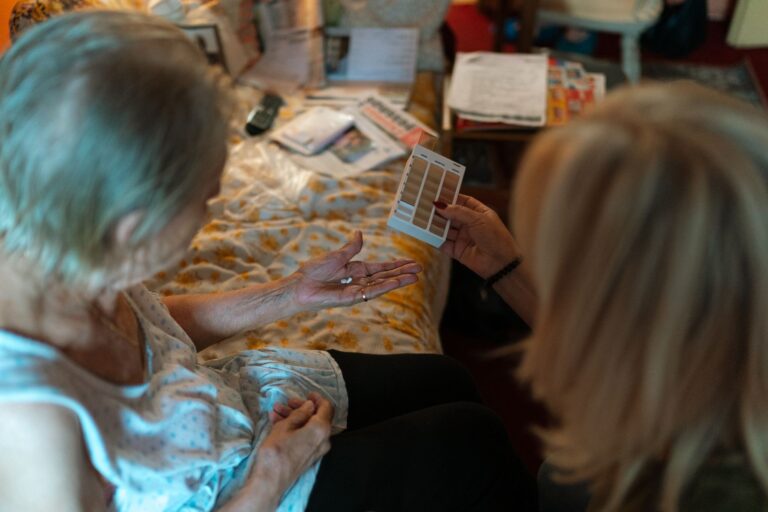
Prescribed risky sits at the center of this dementia and brain health question.
Yes, the National Institutes of Health recently raised the alarm: people with dementia are being prescribed medications that carry significant risks of falls, hospitalizations, and cognitive decline. A January 2026 study published in JAMA found that one in four older adults with dementia are taking medications linked directly to these harms—medications that were prescribed without clear medical justification. Consider Margaret, a 78-year-old with early-stage Alzheimer’s disease who was prescribed a benzodiazepine for anxiety, then an anticholinergic for incontinence, then an antipsychotic for behavioral changes. Within months, she fell twice, was hospitalized for confusion, and her cognitive decline accelerated.
Her story is far from unique. This article examines what the NIH discovered, which medications are most problematic, why doctors keep prescribing them despite the warnings, and what caregivers and families need to know to protect their loved ones. The research is clear: inappropriate prescribing in dementia patients is widespread, preventable, and causing real harm. Yet many physicians continue these prescriptions without documented medical reasons, often because of habit, lack of awareness, or pressure to manage behavioral symptoms quickly. Understanding which medications are dangerous, why they are dangerous, and how to challenge prescribing decisions is essential for anyone caring for someone with dementia.
Table of Contents
- What Did the NIH Find About Risky Medications for Dementia Patients?
- Which Specific Medications Should Families Be Most Concerned About?
- How Many People with Dementia Are Being Prescribed These Dangerous Medications?
- Why Do Doctors Keep Prescribing These Medications Despite the Warnings?
- What Are the Specific Harms Associated with These Medications?
- What Are the Clinical Guidelines, and Why Aren’t They Followed?
- What Does the Future Hold for Dementia Medication Safety?
- Conclusion
- Frequently Asked Questions
What Did the NIH Find About Risky Medications for Dementia Patients?
The alarm came from a comprehensive analysis led by Dr. John N. Mafi at UCLA, who examined Medicare data spanning 2013 to 2021. His team looked specifically at potentially inappropriate medications affecting the brain and nervous system—the types of drugs most likely to cause falls, confusion, and further cognitive decline in older adults with dementia.
What they found was sobering: one in four dementia patients received prescriptions for these problematic medications. Even more concerning, 14% of older adults with dementia had long-term prescriptions for three or more medications simultaneously that affect the nervous system, a dangerous practice known as polypharmacy. The medications included benzodiazepines (like Valium and Ativan), antipsychotics (like Risperdal and Seroquel), anticholinergics (like diphenhydramine and Benadryl), certain antidepressants, and sedatives. In many cases, there was no documented medical justification for these prescriptions—no note in the chart explaining why, for instance, a benzodiazepine was necessary or what alternatives were tried first. For caregivers reading this, that detail matters: if your loved one is on these medications, you should be able to ask the doctor “why” and receive a specific, documented answer.

Which Specific Medications Should Families Be Most Concerned About?
Benzodiazepines top the list of dangerous medications for dementia patients. These drugs—sold under brand names like Valium, Ativan, Xanax, and Klonopin—are prescribed for anxiety and insomnia. They work by slowing brain activity. In younger, healthy adults, that might be acceptable for short-term use. In dementia patients, benzodiazepines impair cognition, worsen memory loss, cause unsteady gait, and dramatically increase fall risk. A 90-year-old with mild dementia on a benzodiazepine becomes a fall hazard to themselves. Yet they remain widely prescribed, sometimes because doctors assume one dose won’t hurt or because the family requests something to calm a restless patient at night.
Antipsychotic medications—drugs like Risperdal, Seroquel, and Haldol—carry an FDA warning about increased risk of death in dementia patients. Yet they continue to be prescribed for behavioral symptoms: aggression, agitation, or hallucinations. The irony is painful: these drugs are meant to help, but they can hasten decline and increase mortality. Anticholinergics, a broad category that includes over-the-counter cold medicines, allergy pills, and incontinence treatments, are equally concerning. They block a neurotransmitter called acetylcholine, which is already depleted in dementia. Taking an anticholinergic further damages what cognitive function remains. However, if an older adult has a genuine urinary tract infection causing incontinence, a short course of appropriate treatment is reasonable—the rule is about avoiding unnecessary long-term use.
How Many People with Dementia Are Being Prescribed These Dangerous Medications?
The scale of inappropriate prescribing is staggering. The NIH study examined data from millions of Medicare beneficiaries and found that inappropriate prescriptions for dementia patients were not rare edge cases—they were routine. One in four translates to roughly 750,000 to 1 million older Americans with dementia receiving medications flagged as potentially harmful by geriatric specialists. That’s not a small problem; it’s a public health issue. The American Geriatrics Society maintains the Beers Criteria, a comprehensive list updated in 2023, of 134 medications or drug classes that should be avoided in adults 65 and older. Most of these appear in dementia patient charts.
What makes this particularly troubling is that prescribing these medications is not accidental—the Beers Criteria has been published for decades. Geriatricians, internists, and family medicine doctors have access to this information. Yet the prescribing continues. The reasons are complex: some doctors were trained before current guidelines were established and haven’t updated their practice. Others face time pressure in busy clinics and reach for familiar medications. Still others underestimate the risks or overestimate the benefits. And in some cases, families themselves request sedation or behavioral control, not realizing the risks they’re accepting on behalf of their loved one.

Why Do Doctors Keep Prescribing These Medications Despite the Warnings?
One major reason is the behavioral management trap. When someone with dementia becomes agitated, aggressive, or wanders, families and facility staff feel desperate for a solution. An antipsychotic or benzodiazepine works quickly and visibly—the person calms down within hours. An alternative approach—finding the underlying cause (pain, infection, constipation, overstimulation), adjusting the environment, increasing activity, or using behavioral techniques—takes time and effort. A doctor can write a prescription in two minutes; investigating why a patient is agitated might take an hour.
Over months, the medication habit sets in. Additionally, many physicians lack training in geriatric prescribing specific to dementia. Medical school and residency programs have not historically emphasized deprescribing—the careful, thoughtful removal of unnecessary medications—or alternatives to pharmacological management of behavioral symptoms. A cardiologist treating a 72-year-old with dementia might prescribe an anticholinergic for bladder symptoms without thinking twice, not realizing that drug class is contraindicated in dementia. The knowledge gap is real. However, if you are the caregiver or healthcare proxy for someone with dementia, you can bridge that gap by asking questions: Is this medication on the Beers Criteria list? What is the documented reason for this prescription? What alternatives were considered? If the doctor cannot provide a clear answer, ask for a referral to a geriatrician or a second opinion.
What Are the Specific Harms Associated with These Medications?
The harms cascade. Benzodiazepines and anticholinergics impair balance and judgment, leading to falls. Each fall in an older adult with dementia risks broken hips, head injuries, hospitalizations, and often permanent loss of independence. The fall itself becomes a crisis point—the person is admitted to a hospital, often in a confusing and frightening environment, where they may become delirious. Hospital delirium in dementia patients can accelerate cognitive decline. They may be discharged weaker, more confused, and placed in a skilled nursing facility. What began as a sedating medication to manage anxiety has unspooled into a cascade of harm. Antipsychotics carry different risks: metabolic syndrome, stroke, and the infamous increased mortality.
Studies have shown that older adults with dementia who take antipsychotics have higher death rates compared to matched controls. The drugs were intended to reduce suffering but instead increase it. And the cognitive effects of these medications compound the dementia itself. If someone is on a benzodiazepine, an anticholinergic, and an antipsychotic simultaneously—the 14% of dementia patients in the NIH study—the cognitive impairment is severe. Memory worsens, orientation deteriorates, and the person loses more independence faster. The limitation here is important to state: not every older adult will be harmed by every medication. Individual factors—kidney function, other conditions, dosage, duration—matter. But the population-level data is unambiguous: these medications cause more harm than benefit in most dementia patients.

What Are the Clinical Guidelines, and Why Aren’t They Followed?
The American Geriatrics Society’s 2023 Beers Criteria explicitly recommends against benzodiazepines, antipsychotics, anticholinergics, and many other medications in older adults, and especially in those with cognitive impairment. These guidelines are evidence-based, updated regularly, and widely available. They are taught in geriatric fellowship programs and published in major journals. Yet adherence remains poor. A study of nursing home residents found that despite Beers Criteria recommendations, approximately one-third of older adults with dementia were still receiving potentially inappropriate medications. Why the gap between evidence and practice? Partly because deprescribing is hard.
If someone has been on a benzodiazepine for five years for anxiety, stopping it suddenly can cause withdrawal seizures. The safe approach requires gradual tapering, close monitoring, and addressing the underlying anxiety through other means—behavioral strategies, psychotherapy, exercise, addressing pain or constipation. It’s labor-intensive. It’s easier—in the short term—to leave the prescription as is. For families, the takeaway is this: if you suspect your loved one is on an inappropriate medication, ask the doctor about the Beers Criteria specifically. Many physicians will recognize the reference and take the question seriously.
What Does the Future Hold for Dementia Medication Safety?
The NIH alert is a call to action, and some change is already underway. More geriatricians are entering practice, and younger physicians trained after the Beers Criteria era are more aware of these issues. Electronic health record systems are beginning to incorporate drug-interaction and inappropriate-medication alerts. Some nursing homes and care systems have deprescribing protocols—systematic reviews of medication lists for older adults, with the goal of removing unnecessary drugs.
These interventions take time and require buy-in from doctors, families, and administrators. Looking ahead, the focus needs to shift from pharmacological management of dementia symptoms to person-centered, non-medication approaches: meaningful activity, social connection, environmental modification, and addressing unmet physical needs. When medication is necessary, it should be the minimum dose, for the shortest duration, with clear documentation of why. The NIH alert of January 2026 has put a spotlight on the problem. Whether the medical system responds with systemic change or continues familiar patterns remains to be seen.
Conclusion
The NIH’s research is unambiguous: one in four older adults with dementia are prescribed medications that carry high risks of falls, hospitalization, and accelerated cognitive decline. Many of these prescriptions lack documented medical justification. Benzodiazepines, antipsychotics, anticholinergics, and other drugs flagged in the Beers Criteria remain routine despite decades of evidence against their use in dementia patients.
The reasons are organizational, educational, and sometimes a matter of convenience—but none of them justify the harm. If you are caring for someone with dementia, this is actionable: review all medications with a geriatrician if possible, ask specifically about the Beers Criteria, demand documented reasons for each prescription, and explore non-medication alternatives before accepting a new drug. Your questions and advocacy matter. The medical system changes when patients and families insist on safer care.
Frequently Asked Questions
If my parent with dementia is already on a benzodiazepine, should I stop it immediately?
No. Stopping benzodiazepines abruptly can cause dangerous withdrawal seizures. Instead, talk to the prescribing doctor about a supervised, gradual taper—reducing the dose slowly over weeks or months while implementing alternative anxiety-management strategies. If the doctor refuses to discuss tapering, ask for a referral to a geriatrician.
Are all antipsychotics dangerous for dementia patients?
Antipsychotics carry an FDA warning for increased mortality risk in older adults with dementia-related behavioral issues. However, in rare cases—severe aggression that poses safety risk, treatment-resistant psychosis—a short-term antipsychotic at the lowest dose under close supervision might be considered. The key is “rare cases” with documented justification, not routine use.
What should I ask my doctor if they prescribe an anticholinergic medication?
Ask: (1) Is this medication necessary? (2) Are there non-anticholinergic alternatives? (3) How long will my parent need it? (4) What are the cognitive risks? If the medication is for incontinence, ask about addressing the underlying cause first—urinary tract infection, dehydration, or medication side effects—before resorting to an anticholinergic drug.
How can I find a geriatrician?
Start with your parent’s primary care doctor for a referral. You can also search the American Geriatrics Society website or call local university-affiliated hospitals and aging services. Some geriatricians offer consultations remotely, which can be helpful if none are available nearby.
What should I do if the doctor refuses to discuss inappropriate medications?
Seek a second opinion, preferably from a geriatrician. If your parent is in a nursing home, contact the facility’s medical director or the state health department’s ombudsman. For hospitalized patients, speak with the hospital’s geriatric consultation service or patient advocate. You have the right to question prescriptions.
Are natural or alternative treatments safer for dementia behavior?
Some approaches—such as increased physical activity, meaningful activity, music therapy, and addressing pain—have evidence supporting their effectiveness for agitation and anxiety, without the medication risks. However, avoid unproven supplements or alternative medications without medical oversight. Work with a healthcare provider to develop a comprehensive, non-pharmacological strategy first.
You Might Also Like
- How Continuous Glucose Monitors Are Being Used to Study the Diabetes Dementia Connection
- The Blood Pressure Medication That Also Reduced Dementia Risk by 20% in a Major Study
- Why People Who Read for 30 Minutes a Day Have 25% Lower Dementia Risk Than Non Readers
For more, see Alzheimer’s Association.