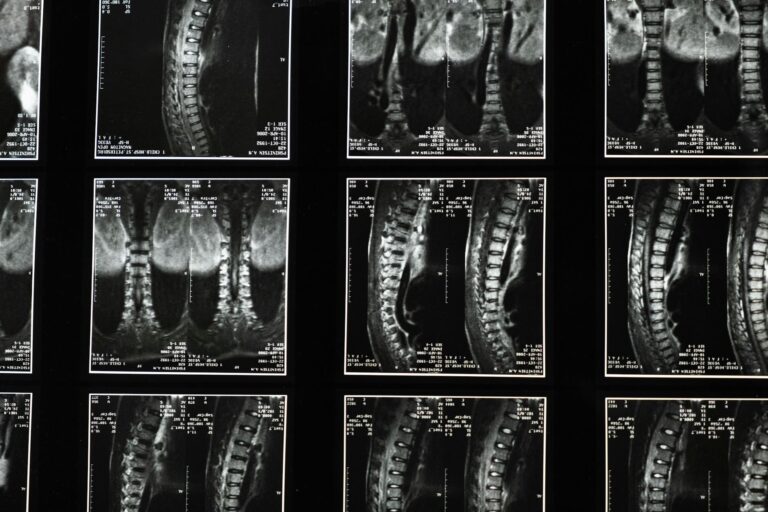
Nerve irritation in the lower back, often manifesting as lumbar radiculopathy or sciatica, can disrupt daily life and contribute to chronic pain that affects cognitive function, particularly in older adults at risk for dementia. Persistent pain from compressed nerves triggers stress responses, inflammation, and sleep disturbances, all of which accelerate brain aging and heighten dementia risk by impairing neuroplasticity and increasing amyloid plaque buildup. For those focused on brain health, recognizing these signs early is crucial, as unmanaged nerve pain correlates with reduced physical activity, cognitive decline, and poorer outcomes in neurodegenerative conditions.
In this article, you will learn the nine key warning signs of lower back nerve irritation, rooted in common spinal issues like herniated discs and stenosis that compress nerve roots. We explore how these symptoms link to brain health, offering insights into causes, progression, and brain-protective strategies. By the end, you'll have practical steps to monitor symptoms and safeguard long-term cognitive vitality.
Table of Contents
- What Are the 9 Warning Signs of Nerve Irritation in the Lower Back?
- How Does Lower Back Nerve Irritation Impact Brain Health?
- Common Causes Linked to Nerve Compression
- Why Early Detection Matters for Dementia Prevention
- Red Flags Requiring Immediate Medical Attention
- How to Apply This
- Expert Tips
- Conclusion
- Frequently Asked Questions
What Are the 9 Warning Signs of Nerve Irritation in the Lower Back?
Lower back nerve irritation, or radiculopathy, occurs when spinal nerves are compressed or inflamed, often from herniated discs, degenerative changes, or stenosis, sending erratic signals that manifest as distinct symptoms. These signs frequently radiate along the sciatic nerve path, mimicking sciatica, and can worsen brain health by fostering chronic inflammation that crosses the blood-brain barrier.
Early identification prevents escalation, preserving mobility essential for dementia prevention through exercise and mental engagement. The nine primary warning signs include sharp, shooting pain; radiating discomfort; numbness and tingling; muscle weakness; and others detailed below. These stem from conditions like bulging discs or spondylolisthesis, which reduce nerve space and provoke protective brain responses like heightened pain sensitivity.
- Sharp, stabbing pain in the lower back that feels electric or burning, often triggered by movement.
- Radiating pain down the buttocks, hips, legs, or feet, known as sciatica from sciatic nerve involvement.
- Numbness or tingling (pins and needles) in the legs, buttocks, or feet due to disrupted nerve signals.
How Does Lower Back Nerve Irritation Impact Brain Health?
Chronic nerve irritation in the lower back fuels systemic inflammation, a key driver of dementia pathology, as pro-inflammatory cytokines from spinal compression travel to the brain, promoting neuronal damage and tau protein accumulation. This pain-stress cycle elevates cortisol, shrinking the hippocampus—the brain's memory center—while reducing prefrontal cortex activity critical for executive function.
Studies link persistent back pain to faster cognitive decline in at-risk populations, underscoring the need for intervention to protect against Alzheimer's progression. Sedentary behavior from pain avoidance further harms brain health by limiting blood flow and neurogenesis, compounding risks in aging spines prone to degenerative disc disease. Addressing nerve symptoms holistically supports brain resilience.
- Pain-induced sleep disruption impairs amyloid clearance, a dementia hallmark.
- Reduced mobility from weakness or spasms decreases BDNF (brain-derived neurotrophic factor), essential for neuron survival.
Common Causes Linked to Nerve Compression
Nerve irritation arises from structural spinal issues like herniated discs—where inner disc material presses on roots—or spinal stenosis narrowing the canal, both prevalent in midlife when discs are vulnerable. Degenerative disc disease thins cushions between vertebrae, while spondylolisthesis shifts bones forward, compressing nerves and inviting inflammation that echoes in brain fog.
These causes often interplay with aging, amplifying dementia vulnerability through immobility. Trauma, poor posture, or piriformis tightness can mimic or trigger true radiculopathy, emphasizing lifestyle's role in nerve and brain protection.
- Herniated or bulging discs pressing directly on nerve roots.
- Spinal stenosis or foraminal narrowing from arthritis and bone spurs.

Why Early Detection Matters for Dementia Prevention
Detecting nerve irritation early halts progression to severe radiculopathy, preserving gait and balance that fend off falls—a major dementia trigger via head trauma. Untreated compression leads to muscle atrophy and chronic pain, fostering depression and cognitive impairment through shared inflammatory pathways.
For brain health enthusiasts, prompt action maintains exercise routines that boost cerebral blood flow and reduce beta-amyloid. Ignoring signs risks cauda equina syndrome or tumors, rare but serious, while routine screening in dementia-focused care integrates spinal health into holistic protocols.
Red Flags Requiring Immediate Medical Attention
Certain signs signal advanced compression demanding urgent evaluation to avert permanent nerve damage or brain complications like stroke from immobility. Severe weakness, bowel/bladder loss, or unrelenting pain indicate cauda equina or instability, where delayed care heightens dementia risk via prolonged inflammation.
In brain health contexts, these warrant neuroimaging to rule out tumors or infections mimicking neuropathy. Monitor for saddle anesthesia or bilateral symptoms, as they disrupt neurovascular integrity critical for cognition.
How to Apply This
- Track symptoms daily in a journal, noting pain patterns, triggers, and radiation to share with your doctor for precise diagnosis.
- Incorporate gentle core-strengthening walks or yoga to alleviate compression without straining nerves, supporting brain-boosting activity.
- Optimize posture with ergonomic setups, reducing sedentary stress that irritates nerves and impairs sleep for dementia prevention.
- Schedule a neurology or ortho consult if two or more signs persist beyond two weeks, integrating spinal MRI with cognitive screening.
Expert Tips
- Tip 1: Prioritize anti-inflammatory omega-3s and turmeric to curb nerve swelling and brain amyloid, per integrative neurology guidelines.
- Tip 2: Use heat/ice alternation for acute flares, enhancing circulation to nerves and hippocampus for dual spine-brain relief.
- Tip 3: Practice diaphragmatic breathing to lower cortisol from pain, preserving memory centers vulnerable in early dementia.
- Tip 4: Engage in balance training like tai chi to counter weakness, slashing fall risks that precipitate traumatic brain injury.
Conclusion
Recognizing the nine warning signs of lower back nerve irritation empowers proactive steps that safeguard both spinal integrity and brain health, breaking the inflammation-pain-cognition cycle central to dementia risk.
By addressing these signals— from radiating sciatica to leg weakness—individuals can sustain mobility, reduce chronic stress, and foster neural resilience against neurodegenerative decline. Ultimately, viewing lower back health through a brain lens transforms routine discomfort into a call for comprehensive care, blending orthopedic insight with dementia-preventive habits for lasting vitality.
Frequently Asked Questions
Can lower back nerve pain directly cause dementia?
Not directly, but chronic irritation drives inflammation and immobility that accelerate cognitive decline, with studies linking persistent back pain to higher Alzheimer's risk.
How does sciatica from nerve irritation affect brain function?
Sciatica disrupts sleep and activity, elevating cortisol and amyloid buildup while shrinking memory-related brain regions.
Are these warning signs more common in dementia patients?
Yes, older adults with degenerative spines face higher rates of radiculopathy, compounding dementia via shared inflammatory pathways.
What if I have only mild tingling—should I worry for brain health?
Mild signs warrant monitoring and posture correction to prevent progression, as early nerve stress subtly erodes cognitive reserve.