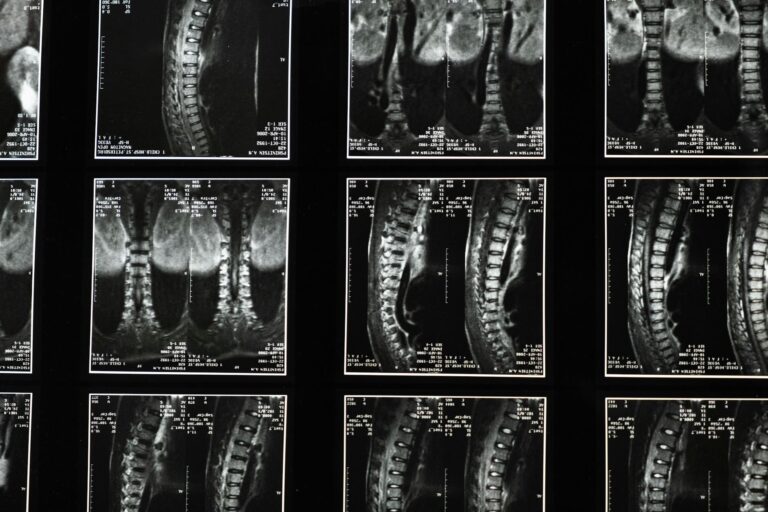
Back pain is a frequent concern among individuals managing dementia and brain health, where mobility challenges and cognitive changes can amplify discomfort and complicate daily care. Nerve-related back pain, often stemming from spinal nerve compression, differs from muscular strains by involving the nervous system, which shares critical pathways with brain function.
Recognizing these symptoms early is vital, as untreated nerve issues can worsen balance problems, increase fall risks, and indirectly heighten cognitive stress in dementia patients through chronic pain signals disrupting brain processing. In this article, you will learn nine key symptoms indicating nerve-related back pain, tailored to dementia and brain health contexts. We explore how these signs connect to neurological pathways, diagnostic approaches, and brain implications, empowering caregivers and patients to seek timely interventions that support overall neurological well-being.
Table of Contents
- What Are the 9 Symptoms of Nerve-Related Back Pain?
- Why Nerve Pain Matters for Dementia and Brain Health
- Neurological Connections to Brain Function
- Additional Nerve Pain Indicators in Brain Health Contexts
- Distinguishing Nerve Pain from Common Back Issues
- How to Apply This
- Expert Tips
- Conclusion
- Frequently Asked Questions
What Are the 9 Symptoms of Nerve-Related Back Pain?
Nerve-related back pain arises when spinal nerves are compressed or irritated, often by herniated discs, spinal stenosis, or degenerative changes common in aging populations with dementia risk factors. These symptoms follow specific nerve paths, distinguishing them from mechanical back pain, and can signal broader neurological involvement affecting brain-spinal communication.
In dementia care, identifying them promptly prevents escalation that could impair mobility and cognitive function. For those focused on brain health, these symptoms warrant attention because chronic nerve pain can alter brain activity, contributing to inflammation and reduced neuroplasticity.
- Radiating pain from the back to legs or arms, following a nerve path like sciatica
- Persistent numbness or tingling in extremities, indicating nerve compression
- Sharp, burning, or shooting pain worsened by movement
Why Nerve Pain Matters for Dementia and Brain Health
The nervous system's role in back pain intersects with brain health, as spinal nerves relay sensory data to the brain, and disruptions can mimic or exacerbate dementia-related sensory processing issues. Conditions like radiculopathy or pinched nerves send aberrant signals that the brain interprets as pain, potentially accelerating cognitive decline through sustained stress responses.
In dementia patients, this pain often goes underreported due to communication barriers, making symptom awareness crucial for caregivers. Research highlights how untreated nerve compression contributes to chronic inflammation, a known factor in neurodegeneration, underscoring the need for integrated spine-brain care.
- Pain unresponsive to standard treatments like rest or anti-inflammatories, suggesting deeper nerve involvement
- Muscle weakness in legs or feet, linked to motor nerve damage and fall risks in dementia
Neurological Connections to Brain Function
Nerve-related back pain involves the spinal cord and peripheral nerves, which interface directly with brain regions governing pain perception and motor control. In brain health contexts, symptoms like loss of coordination reflect impaired signaling that parallels early dementia signs, such as gait instability.
Spinal stenosis or herniated discs compressing nerves can induce brain changes via neuroplastic adaptations to chronic input. This overlap emphasizes holistic assessments, as resolving spinal nerve issues may alleviate cognitive burdens and improve brain-derived neurotrophic factor levels essential for neuronal health.
- Loss of coordination or balance difficulties, pointing to spinal cord or nerve disruption
- Bowel or bladder control changes, a red flag for severe compression like cauda equina syndrome

Additional Nerve Pain Indicators in Brain Health Contexts
Beyond core symptoms, nerve pain may present as heightened sensitivity or electric shock sensations, driven by nervous system hypersensitivity prevalent in aging brains. For dementia-focused care, these align with neuropathy patterns that confound cognitive evaluations.
Diagnostic tools like EMG reveal nerve-muscle dysfunction, crucial for differentiating from dementia-related weakness. In brain health, persistent symptoms demand neuroimaging to rule out spinal contributions to neurological decline, ensuring pain management supports cognitive therapies.
- Saddle numbness in groin or glutes, signaling urgent spinal nerve emergency
- Tingling or pins-and-needles worsening with positions like standing
Distinguishing Nerve Pain from Common Back Issues
Mechanical back pain from muscle strain typically localizes and improves with rest, unlike nerve pain's radiating, unrelenting nature tied to specific positions. In dementia patients, this distinction prevents misattribution to behavioral changes.
Neurological exams assess reflexes and strength to confirm nerve root involvement. Understanding these prevents delayed care, preserving brain health by mitigating pain-induced neuroinflammation.
- Weakness or reduced reflexes in affected limbs, specific to nerve root irritation
How to Apply This
- Track symptoms daily in a journal, noting radiation patterns or triggers to share with neurologists.
- Schedule a neurological exam including reflexes, strength tests, and sensation checks.
- Request imaging like MRI or EMG if symptoms persist beyond two weeks.
- Consult dementia specialists to integrate spine care with brain health monitoring.
Expert Tips
- Tip 1: Prioritize early intervention in dementia cases, as nerve pain can worsen gait and increase hippocampal stress.
- Tip 2: Use gentle positioning aids to alleviate compression without over-relying on medications that affect cognition.
- Tip 3: Incorporate low-impact neuroprotective exercises like tai chi to support spinal nerves and brain plasticity.
- Tip 4: Monitor for inflammatory markers via blood tests, linking spine health to dementia progression.
Conclusion
Recognizing these nine nerve-related back pain symptoms—radiating pain, numbness, burning sensations, weakness, unresponsive pain, coordination loss, bladder issues, saddle numbness, and reflex changes—equips those prioritizing dementia and brain health with tools for proactive care.
Addressing them swiftly protects neurological integrity, reducing fall risks and cognitive strain. By bridging spine and brain perspectives, this knowledge fosters comprehensive wellness, ensuring pain does not undermine dementia management or brain resilience.
Frequently Asked Questions
How does nerve-related back pain affect dementia patients?
It heightens fall risks through weakness and imbalance, while chronic signals disrupt brain processing and inflammation control
When should I seek emergency care for these symptoms?
Immediately for sudden weakness, incontinence, or saddle numbness, indicating potential cauda equina or spinal emergency
Can physical therapy help nerve pain in brain health contexts?
Yes, targeted therapy relieves compression and supports neuroplasticity without cognitive side effects
Is MRI the best test for diagnosing nerve issues?
MRI excels at visualizing disc herniations and stenosis; pair with EMG for nerve function assessment