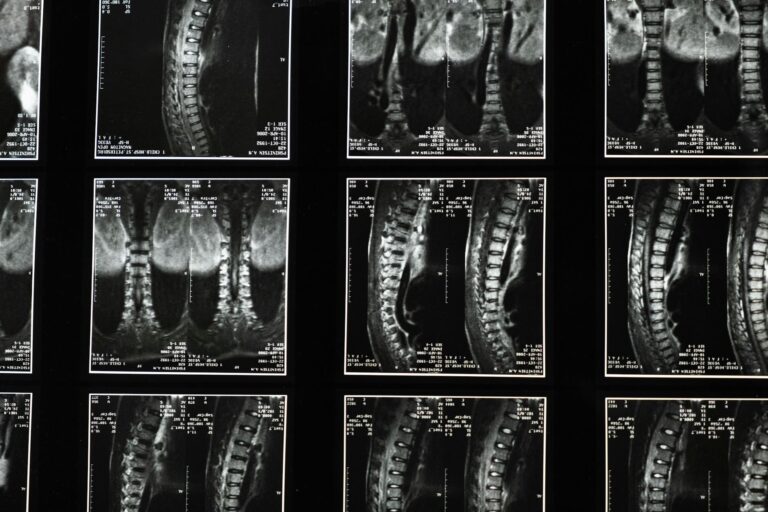
Lumbar nerve irritation, often stemming from radiculopathy or pinched nerves in the lower spine, can significantly impact brain health, particularly in older adults prone to dementia. Chronic pain and mobility issues from this condition disrupt daily routines, sleep, and cognitive function, potentially accelerating cognitive decline by increasing stress hormones and inflammation that affect the brain.
For those focused on dementia prevention, recognizing these symptoms early is crucial, as untreated irritation may lead to falls, reduced physical activity, and secondary brain strain. In this article, you will learn the nine most common symptoms doctors encounter in lumbar nerve irritation, why they matter for brain health, and how they interconnect with dementia risk factors like poor balance and chronic pain. You'll gain insights into causes, diagnosis, management strategies tailored to cognitive wellness, and practical steps to protect both spine and brain health.
Table of Contents
- What Are the 9 Most Common Symptoms of Lumbar Nerve Irritation?
- Why Do These Symptoms Matter for Dementia and Brain Health?
- What Causes Lumbar Nerve Irritation?
- How Is Lumbar Nerve Irritation Diagnosed?
- Treatment Options That Support Brain Health
- How to Apply This
- Expert Tips
- Conclusion
- Frequently Asked Questions
What Are the 9 Most Common Symptoms of Lumbar Nerve Irritation?
Lumbar nerve irritation, such as L4-L5 or L5-S1 radiculopathy, compresses nerve roots in the lower spine, sending disrupted signals that manifest as distinct symptoms. Doctors see these signs frequently in patients with herniated discs or spinal stenosis, where pressure on nerves like the sciatic triggers widespread effects.
The top nine, drawn from clinical observations, include radiating pain, numbness, and weakness, each potentially worsening brain health by limiting movement and heightening fall risks in dementia-vulnerable individuals. These symptoms often radiate from the lower back to the legs, hips, or feet, mimicking sciatica and interfering with gait— a key dementia red flag. Early identification prevents progression to severe issues like incontinence, which compounds cognitive stress.
- Radiating leg pain (sciatica): Sharp or burning pain from lower back to foot, common in L5-S1 irritation.
- Numbness in legs or feet: Reduced sensation in buttocks, hips, or toes due to nerve compression.
- Tingling or pins-and-needles: Prickling sensations in extremities from disrupted nerve signals.
- Muscle weakness: Difficulty lifting foot or toe, leading to foot drop and imbalance.
- Lower back pain: Localized shooting pain, often with spasms.
Why Do These Symptoms Matter for Dementia and Brain Health?
Lumbar nerve irritation disrupts mobility and causes chronic pain, both potent risk factors for dementia progression. In older adults, poor balance from weakness or numbness raises fall risks, with each fall potentially causing head trauma that accelerates cognitive decline.
Persistent pain elevates cortisol levels, fostering brain inflammation linked to Alzheimer's pathology. Studies link spinal health to cognitive function; reduced activity from these symptoms atrophies muscles and limits neuroprotective exercise. For dementia patients, symptoms like gait instability mimic neurodegenerative signs, complicating diagnosis and management.
- Chronic pain disrupts sleep, impairing memory consolidation essential for brain health.
- Mobility loss reduces cerebral blood flow, starving the brain of oxygen and nutrients.
What Causes Lumbar Nerve Irritation?
Common culprits include herniated discs, where inner material bulges and presses on nerves, especially at L4-L5 or L5-S1 levels. Spinal stenosis narrows the canal, compressing roots, while degeneration from aging exacerbates this in dementia-prone populations.
Trauma or repetitive strain also contributes, heightening vulnerability in those with cognitive impairments who may neglect posture. These causes create inflammation around nerves, amplifying symptoms that indirectly burden the brain through pain-mediated stress.
- Disc herniation or bulge: Primary trigger for radiating symptoms.
- Spinal stenosis: Narrowing pressures nerves, worsening with age.

How Is Lumbar Nerve Irritation Diagnosed?
Diagnosis starts with history and physical tests like the straight-leg raise, where pain on leg elevation confirms nerve involvement. Neurologic exams check reflexes, strength, and sensation; imaging such as MRI reveals compression without invasive steps.
For brain health contexts, doctors differentiate from dementia-related gait issues via EMG to assess nerve conduction. Early diagnosis prevents escalation, safeguarding cognitive function by enabling prompt intervention.
Treatment Options That Support Brain Health
Conservative treatments like physical therapy strengthen core muscles, improving balance and reducing fall risks critical for dementia management. Anti-inflammatories ease pain, while epidural injections target irritation; surgery is rare but considered for severe cases.
Brain-focused approaches include low-impact exercises like walking or yoga to boost neuroplasticity alongside spine relief. Holistic care integrates pain control with cognitive exercises, preserving mental sharpness.
How to Apply This
- Track symptoms daily in a journal, noting pain patterns and mobility changes to discuss with your doctor.
- Incorporate gentle spine-safe exercises like seated marches to build strength without straining nerves.
- Prioritize fall-proofing your home—remove rugs, add grab bars—to protect brain health.
- Schedule regular check-ups, combining spine assessments with cognitive screenings for dementia risks.
Expert Tips
- Tip 1: Use heat or ice alternately on the lower back to reduce inflammation before bed, aiding restorative sleep for brain repair.
- Tip 2: Practice mindful posture during sitting to avoid nerve compression, supporting long-term spinal and cognitive health.
- Tip 3: Stay hydrated and eat anti-inflammatory foods like berries to combat nerve irritation and dementia-linked oxidative stress.
- Tip 4: Consult a neurologist if symptoms persist beyond two weeks, as early intervention prevents brain-impacting complications.
Conclusion
Addressing lumbar nerve irritation promptly protects not just your spine but your brain, mitigating dementia risks through better mobility and reduced chronic stress.
By recognizing these nine symptoms and applying targeted strategies, individuals can maintain independence and cognitive vitality. Ultimately, integrating spine care into brain health routines fosters resilience against age-related decline, empowering a proactive approach to wellness.
Frequently Asked Questions
Can lumbar nerve irritation mimic dementia symptoms?
Yes, gait instability and weakness from nerve irritation can resemble dementia-related balance issues, but neurologic tests distinguish them.
Does chronic back pain from nerve irritation worsen brain health?
Yes, it disrupts sleep and activity, elevating inflammation that accelerates cognitive decline in vulnerable individuals.
When should I seek emergency care for these symptoms?
Immediately if you experience bowel/bladder loss or severe weakness, signaling cauda equina syndrome.
Are there brain-protective exercises for lumbar nerve pain?
Yes, low-impact options like aquatic therapy improve strength and circulation without aggravating nerves.