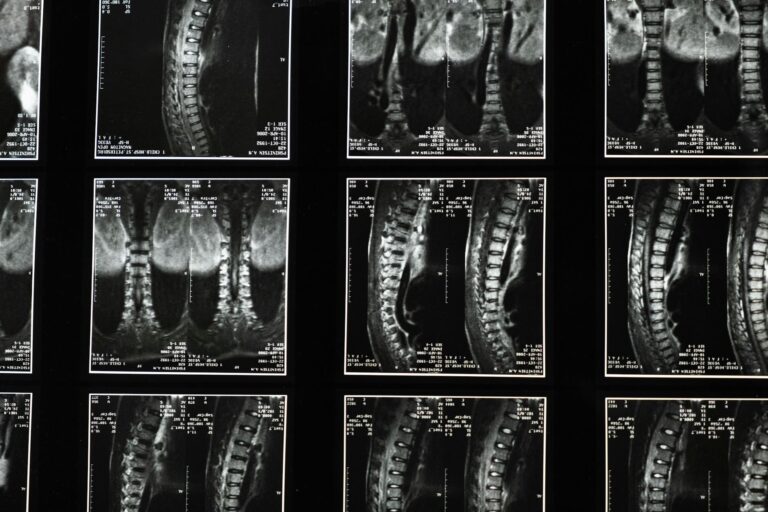
Spine health plays a critical role in brain health, as the spinal cord serves as the primary communication highway between the brain and the rest of the body. Misalignments or degeneration in the spine can compress nerves, disrupt signal transmission, and contribute to cognitive decline, particularly in individuals at risk for dementia. Maintaining spinal integrity supports efficient nervous system function, which is essential for preserving mental sharpness and reducing inflammation that may exacerbate neurodegenerative conditions.
In this article, readers will discover nine key spine health facts endorsed by medical experts, tailored to their impact on brain and dementia prevention. These insights draw from neurosurgeons, spine specialists, and wellness guidelines, emphasizing how proactive spinal care enhances nerve flow to the brain, bolsters cognitive resilience, and lowers risks associated with aging-related brain changes. Armed with this knowledge, you can take targeted steps to safeguard both your spine and mind.
Table of Contents
- Does Spinal Alignment Directly Influence Brain Function?
- How Does Spine Health Prevent Degeneration Linked to Cognitive Decline?
- Why Is Nervous System Optimization Crucial for Dementia Risk Reduction?
- Can Posture Habits Protect Your Brain from Age-Related Decline?
- What Role Does Exercise Play in Linking Spine and Brain Health?
- How to Apply This
- Expert Tips
- Conclusion
- Frequently Asked Questions
Does Spinal Alignment Directly Influence Brain Function?
The spine houses the spinal cord, which relays vital nerve signals from the brain to organs and extremities. Doctors note that spinal misalignments can pinch nerves, interfering with these signals and potentially leading to reduced cognitive efficiency over time.
For dementia prevention, optimal alignment ensures unobstructed communication, supporting brain health amid aging. Neurosurgeons emphasize that early detection of subtle misalignments through posture evaluations and imaging prevents nerve compression, which might otherwise contribute to systemic inflammation affecting the brain. Regular spinal assessments maintain this pathway, fostering clearer mental processing and resilience against neurodegenerative risks.
- Proper spinal alignment promotes efficient nerve signals to the brain, reducing interference that could impair cognitive function.
- Misaligned vertebrae may compress nerves linked to organ health, indirectly stressing brain networks vulnerable in dementia.
- Posture corrections by specialists enhance signal flow, supporting long-term brain vitality.
How Does Spine Health Prevent Degeneration Linked to Cognitive Decline?
Spinal degeneration, such as disc drying or bone spur formation, accelerates with age and poor habits, but doctors say consistent care slows this process significantly. In brain health contexts, degeneration heightens inflammation and nerve stress, factors implicated in dementia progression; preserving disc and joint health maintains neural integrity.
Experts recommend monitoring via routine check-ups to track changes, as degeneration can silently weaken the spine's support for brain signaling. Lifestyle adjustments like alignment maintenance reduce uneven wear, protecting the nervous system that underpins memory and executive function.
- Alignment maintenance preserves disc hydration, preventing inflammation that may travel to brain tissues.
- Mobility exercises keep spinal joints flexible, supporting nerve pathways critical for cognitive stability.
- Early intervention avoids bone spurs, which could exacerbate nerve issues tied to brain fog in older adults.
Why Is Nervous System Optimization Crucial for Dementia Risk Reduction?
A healthy spine ensures smooth nerve function, with doctors highlighting how adjustments relieve pressure and enhance brain-organ communication. For those focused on brain health, this optimization counters the nerve interference that accumulates with age, potentially accelerating dementia-related impairments.
Spinal care programs, including flexibility routines, sustain this function, as pinched nerves from misalignment can disrupt signals essential for mental clarity. Neurosurgeons stress that efficient nerve flow supports overall neurological health, vital for dementia prevention strategies.
- Spinal adjustments reduce nerve compression, promoting signals that bolster brain resilience.
- Nerve assessments detect interference early, preventing subtle cognitive disruptions.
- Flexibility maintenance aids nerve health, linking spine care to sustained mental acuity.

Can Posture Habits Protect Your Brain from Age-Related Decline?
Doctors universally agree that good posture distributes weight evenly, minimizing spinal stress that could impair nerve transmission to the brain. Poor posture, like slouching, strains the spine and may contribute to chronic tension affecting cerebral blood flow, a concern for dementia vulnerability.
Specialists advise aligning ears over shoulders during daily activities to support spinal balance, which in turn safeguards the brain's neural highways. This simple habit fosters posture-driven stability, reducing risks of degeneration-linked cognitive issues.
What Role Does Exercise Play in Linking Spine and Brain Health?
Regular exercise strengthens core muscles around the spine, enhancing stability and nutrient delivery to spinal tissues, which benefits brain-supporting nerves. Doctors recommend activities like walking or yoga to improve circulation, countering disc degeneration and inflammation that harm cognitive function in dementia-prone individuals.
Core-focused routines and physical therapy address imbalances, promoting spinal health that indirectly shields the brain from stress-induced decline. Quitting smoking further aids by preserving blood flow to both spine and brain structures.
How to Apply This
- Schedule annual spinal assessments with a qualified back doctor or neurosurgeon to monitor alignment and nerve function for brain health.
- Incorporate daily posture checks, ensuring hips level with knees when sitting and maintaining a natural lumbar arch.
- Build a routine of core-strengthening exercises like planks or swimming, aiming for 30 minutes most days to support spinal stability.
- Maintain healthy weight and quit smoking to reduce spinal strain and enhance circulation to nerves and brain tissues.
Expert Tips
- Tip 1: Get a baseline bone density scan if over 50, as osteoporosis-related spinal fractures can disrupt nerve signals to the brain.
- Tip 2: Use ergonomic setups for desks to prevent forward head posture, which stresses cervical nerves linked to cognitive pathways.
- Tip 3: Consult physical therapy preventatively for recurring mild back issues to fortify spine support for long-term brain protection.
- Tip 4: Prioritize anti-inflammatory habits like regular movement to slow disc degeneration and preserve neural efficiency.
Conclusion
These nine spine health facts underscore the inseparable link between a well-maintained spine and robust brain function, offering actionable ways to mitigate dementia risks. By prioritizing alignment, posture, exercise, and early monitoring, individuals can enhance nerve communication, reduce inflammation, and foster cognitive longevity.
Adopting these doctor-recommended practices empowers proactive care, turning spine health into a cornerstone of brain wellness. Small daily investments yield substantial protection against age-related decline.
Frequently Asked Questions
How does poor spinal alignment affect dementia risk?
Misalignments compress nerves, disrupting brain signals and potentially increasing inflammation tied to cognitive decline; regular adjustments restore flow.
What exercises best support spine health for brain benefits?
Core strengthening, walking, swimming, and yoga improve spinal stability, circulation, and flexibility, aiding nerve function to the brain.
When should I see a spine specialist for brain health concerns?
Seek evaluation for numbness, weakness, or persistent pain, as these signal nerve issues that could impact cognitive health.
Can posture improvements really enhance mental clarity?
Yes, proper posture reduces spinal stress, optimizes nerve transmission, and minimizes tension that may contribute to brain fog.