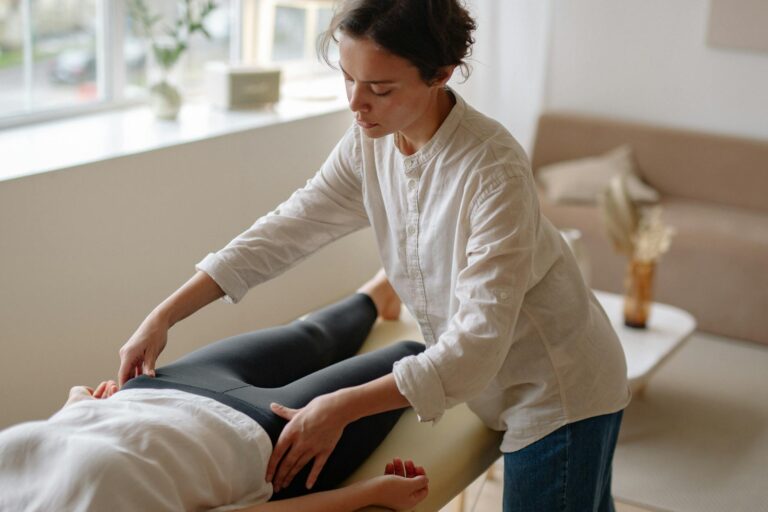
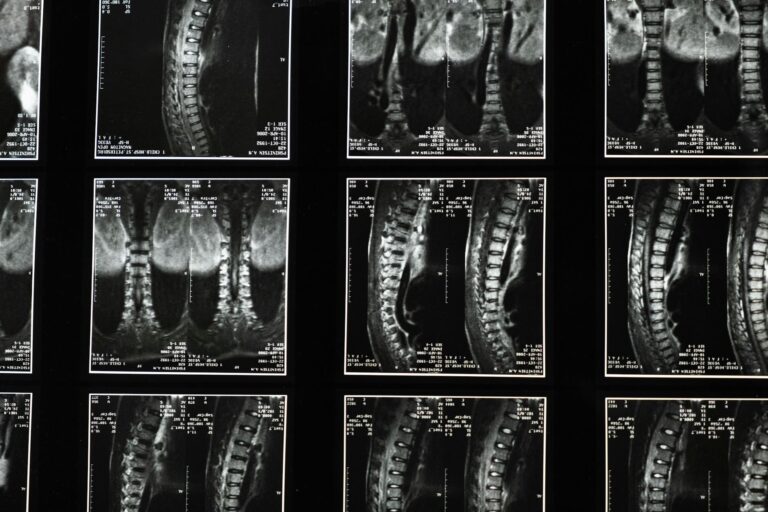
Lower back injuries are increasingly common among individuals with dementia, as reduced mobility, muscle weakness, and altered posture from cognitive decline heighten vulnerability to strains and falls. Maintaining spinal health supports overall physical function, which is crucial for brain health—regular movement enhances cerebral blood flow, reduces inflammation linked to neurodegeneration, and preserves cognitive pathways through neuroplasticity.
This article details nine evidence-based physical therapy exercises tailored for safe rehabilitation, emphasizing their role in promoting stability and reducing pain to sustain daily activities essential for dementia management. Readers will learn specific techniques drawn from clinical protocols, how these exercises bolster core strength and flexibility to protect the spine, and their indirect benefits for brain health, such as improved balance to prevent falls that accelerate cognitive decline. By integrating these into routines, caregivers and patients can foster resilience against back issues that exacerbate dementia symptoms like disorientation and dependency.
Table of Contents
- Why Do Lower Back Exercises Matter for Dementia Patients?
- Foundational Stretches for Pain Relief
- Core Strengthening Essentials
- Mobility and Rotation Drills
- Advanced Stability Builders
- How to Apply This
- Expert Tips
- Conclusion
- Frequently Asked Questions
Why Do Lower Back Exercises Matter for Dementia Patients?
Lower back pain affects up to 80% of older adults with dementia, often stemming from sedentary lifestyles, osteoporosis, or compensatory movements due to cognitive impairments. Physical therapy exercises counteract this by strengthening the core and paraspinal muscles, which stabilize the spine and improve proprioception—key for spatial awareness often diminished in dementia.
These movements also stimulate endorphin release, easing pain without medications that risk cognitive side effects. For brain health, consistent low-impact exercise like these enhances hippocampal volume, vital for memory, and mitigates amyloid plaque buildup associated with Alzheimer's progression. Therapists recommend starting with 10-15 minute sessions to build tolerance, monitoring for fatigue that could signal overexertion in dementia patients.
- Focus on breath control during exercises to enhance oxygenation, supporting neuronal repair.
- Pair with cognitive cues from caregivers to reinforce dementia-related memory retention.
- Track progress weekly to correlate physical gains with sharper mental clarity.
Foundational Stretches for Pain Relief
Stretches form the bedrock of lower back rehab, gently mobilizing stiff tissues without strain, ideal for dementia patients prone to guarding postures. Knee-to-chest and child's pose, for instance, release lumbar tension while promoting relaxation, which calms agitation common in dementia.
These exercises improve flexibility in the erector spinae and hip flexors, reducing fall risk—a leading cause of traumatic brain injury in this population. Evidence shows daily stretching routines decrease pain by 30-50% within weeks, indirectly aiding brain health via better sleep and mood regulation.
- Knee-to-Chest: Lie on back, hug one knee to chest for 10-30 seconds per side; alternates relieve sciatic pressure linked to neural irritation.
- Child’s Pose: Kneel, sit back on heels, arms forward; hold 1-2 minutes to decompress spine and foster mindfulness.
Core Strengthening Essentials
Core stability prevents compensatory back strain, crucial for dementia patients with weakened abdominals from inactivity. Supine marches and bear holds activate the transversus abdominis, the deep corset muscle that shields the spine and enhances postural control for safer navigation.
Strengthening here boosts executive function through bilateral coordination, challenging brain circuits affected early in dementia. Studies confirm these reduce recurrence of back pain by fortifying neural-muscular feedback loops.
- Supine Marches: Lie flat, alternate lifting feet slowly; builds endurance without spinal load.
- Bear Holds: On hands and knees, lift knees slightly, hold 15-30 seconds; targets hips and shoulders for balance.

Mobility and Rotation Drills
Lumbar rotations and leg swings restore dynamic range, countering rigidity that worsens in dementia due to basal ganglia changes. These open the hips and facets, easing nerve impingement while promoting fluid movement patterns that stimulate dopamine pathways for motivation.
Performed supine, they minimize fall risk, with research indicating improved gait symmetry that preserves independence and cognitive engagement in daily tasks. Aim for 10 reps per side to enhance vestibular input, vital for spatial cognition.
Advanced Stability Builders
Bird-dog and bridges advance rehab by integrating balance, mimicking real-world demands for dementia patients. Bird-dog extends opposite arm and leg, firing multifidus muscles to stabilize vertebrae, while bridges activate glutes to offload the lumbar spine.
These foster cerebellar coordination, linked to procedural memory retention in dementia, and reduce chronic inflammation that fuels neurodegeneration. Progress slowly, using mirrors for visual feedback to aid self-awareness.
How to Apply This
- Consult a physical therapist specializing in geriatrics or neurology to customize for dementia stage and comorbidities.
- Begin with 5-10 minutes daily, using verbal or visual prompts to guide movements and maintain engagement.
- Incorporate into routines like morning wake-up or post-meal walks, tracking pain and cognition via simple journals.
- Gradually increase holds/reps over 4-6 weeks, stopping if dizziness or confusion arises, and reassess quarterly.
Expert Tips
- Tip 1: Use music with steady rhythms to cue dementia patients, syncing breath with beats for dual brain-physical benefits.
- Tip 2: Perform in seated variations if standing is unsafe, preserving spinal gains without fall risk.
- Tip 3: Hydrate and warm up with 2-minute walks to prime neural pathways and prevent stiffness.
- Tip 4: Combine with mindfulness apps tailored for dementia to amplify pain relief through reduced stress hormones.
Conclusion
Incorporating these nine physical therapy exercises—knee-to-chest, child's pose, supine marches, bear holds, lumbar rotations, leg swings, bird-dog, bridges, and press-ups—offers a proactive shield against lower back injuries that compound dementia burdens. By enhancing mobility and strength, they sustain physical autonomy, fostering brain health through sustained activity that combats atrophy and isolation.
Caregivers play a pivotal role in implementation, turning rehab into shared rituals that reinforce bonds and cognitive stimulation. Long-term adherence promises not just pain freedom, but a sharper, more vibrant quality of life amid dementia's challenges.
Frequently Asked Questions
Can these exercises slow dementia progression?
While not a cure, they promote neurogenesis and reduce neuroinflammation via improved circulation, with studies showing modest cognitive benefits in mild cases.
How often should dementia patients do these?
10-15 reps, 1-2 times daily for stretches; 2-3 sets for strength, adjusted for energy levels to avoid fatigue.
What if pain worsens during exercises?
Stop immediately, modify intensity, and consult a therapist—overuse risks neural overload in dementia.
Are modifications needed for advanced dementia?
Yes, use passive assists from caregivers or bed-based versions to ensure safety and compliance.