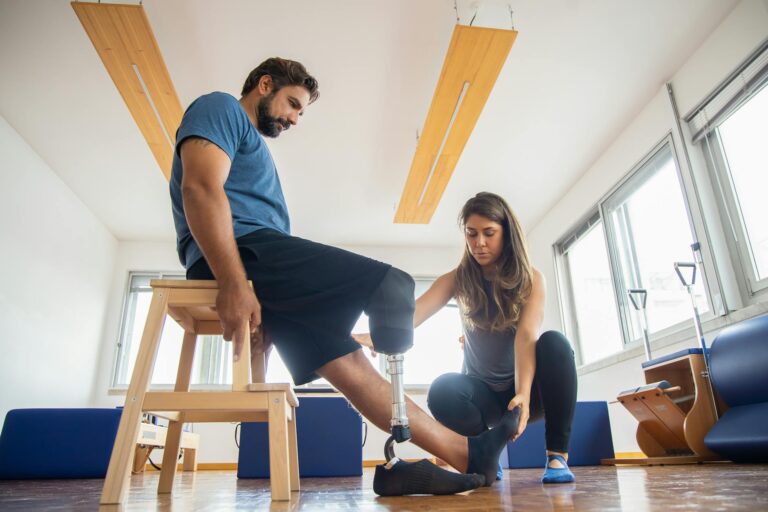
The nine exercises doctors most commonly recommend for core and lumbar spine strength are planks, dead bugs, bridges, bird dogs, pallof presses, Superman holds, side planks, quadruped leg lifts, and modified crunches performed with proper spinal alignment. These exercises strengthen the deep stabilizing muscles around the lumbar spine—particularly the transversus abdominis and multifidus—which act like an internal corset, reducing excessive movement and stress on vertebral discs.
For someone with a history of lower back pain who switched from sit-ups to dead bugs and bird dogs, the results often appear within three to four weeks of consistent practice, with reduced morning stiffness and improved posture throughout the day. This article explores each of these nine exercises in detail, explains the specific mechanics of why doctors recommend them, covers common mistakes that undermine effectiveness, and provides guidance on progression and integration into daily life. We’ll also address why these exercises matter particularly for individuals managing neurological health, since core stability supports balance, proprioception, and the kind of functional movement that becomes increasingly important as we age.
Table of Contents
- Why Core Strength Matters for the Lumbar Spine and Cognitive Function
- The Nine Recommended Exercises and Their Specific Functions
- How These Exercises Specifically Support Lumbar Health Across Different Movement Patterns
- Building Progression and Avoiding the Plateau Effect
- Common Mistakes That Undermine Effectiveness and Create New Problems
- Integration Into Daily Life and Functional Movement
- Core Strength and Longevity in Neurological Health Management
- Conclusion
Why Core Strength Matters for the Lumbar Spine and Cognitive Function
The lumbar spine bears approximately 80% of the body’s upper weight during everyday activities like sitting, walking, and lifting. Without adequate core support, the small joints and discs of the lower back absorb excessive load, accelerating wear and creating chronic pain patterns. Core muscles don’t fatigue in the traditional sense—instead, when they weaken, compensation patterns emerge where larger muscles like the hip flexors and lower back extensors overwork, creating muscle imbalances that generate pain and restrict mobility.
Research shows that core stability directly influences proprioceptive feedback throughout the entire body. For individuals managing cognitive decline or dementia-related symptoms, maintaining proprioception—the body’s awareness of position in space—becomes critical for fall prevention and maintaining independence with daily activities. A strengthened core provides the baseline stability required for this proprioceptive signaling. However, if someone has existing spinal fusion hardware, stenosis, or severe disc degeneration, certain core exercises will need modification or avoidance, which is why physician guidance remains essential before beginning any new program.

The Nine Recommended Exercises and Their Specific Functions
The plank is the foundational exercise because it engages the entire anterior core chain while keeping the spine in neutral position. A proper plank requires neither spinal flexion nor hyperextension—the body forms one straight line from heels to head, and the goal is to maintain this alignment for 20 to 60 seconds, with quality mattering far more than duration. Dead bugs involve lying on your back, arms extended toward the ceiling, knees bent at 90 degrees, then slowly lowering opposite arm and leg while keeping the lower back flat against the floor—this teaches the body to move limbs without destabilizing the spine. Bridges activate the glutes and posterior core by lying on your back with knees bent and feet flat, then pushing through the heels to lift the hips until the body forms a straight line from knees to shoulders. Bird dogs begin on hands and knees, then extend opposite arm and leg while keeping the torso perfectly still, demanding stability through the entire core. Pallof presses use a resistance band or cable at chest height, standing perpendicular to the anchor point, and pressing the band away from the body while resisting the urge to rotate—this addresses rotational core stability, which planks and bridges don’t.
Superman holds involve lying face-down, arms extended overhead, and lifting the chest and legs slightly off the ground to strengthen the posterior chain. Side planks target the lateral core muscles by supporting the body on one forearm and one foot, holding a straight line from head to heels. Quadruped leg lifts performed from hands and knees involve lifting one leg behind you, focusing on the glutes and posterior core. Finally, modified crunches with proper technique involve lifting only the shoulders off the ground with the lower back remaining in contact with the floor, moving only through the thoracic spine rather than the lumbar spine. A common limitation of this exercise list is that it emphasizes core strength but underemphasizes hip mobility and thoracic mobility, both of which can be equally restrictive for lumbar function. Someone with tight hip flexors will continue to have anterior pelvic tilt regardless of plank strength, and someone with thoracic stiffness will compensate by overusing the lumbar spine.
How These Exercises Specifically Support Lumbar Health Across Different Movement Patterns
The deep stabilizing muscles—the transversus abdominis and multifidus—don’t generate movement; they generate tension. Think of them as the structural bracing system of the spine rather than the engine. When you’re carrying groceries, walking up stairs, or even just standing in line, these muscles maintain stiffness in the spinal segments to prevent excessive shearing forces. exercises like dead bugs and bird dogs teach these muscles to activate *before* limb movement occurs, establishing what kinesiologists call “feed-forward activation”—the core contracts in anticipation of movement rather than reacting after movement has already stressed the spine.
A practical example: someone with back pain while gardening likely has adequate hip and shoulder strength but fails to activate deep core muscles before bending and lifting. Adding bird dogs and dead bugs three times weekly typically eliminates this pain within four to six weeks, even though the person never touches weights. The nervous system learns the proper motor pattern, and pain decreases because the lumbar spine simply isn’t being overstressed anymore. The spine becomes the stable base from which limbs move, rather than being flexed and extended with every action.

Building Progression and Avoiding the Plateau Effect
Most people approach core exercises with the wrong intensity mindset. Unlike strength training where you gradually increase weight, core exercises demand progressive variation rather than simply “harder” versions. Someone who can hold a plank for three minutes has likely hit diminishing returns and needs variation—perhaps adding arm movements within the plank, shifting the forearms to one side (an asymmetrical plank), or placing feet on an unstable surface like a balance disc.
The progression pathway for beginners looks like this: weeks one to three, establish basic activation with wall or incline planks, quadruped bird dogs, and supine dead bugs; weeks four to six, progress to full planks, standing bird dogs, and single-leg bridge variations; weeks seven to twelve, introduce loaded variations with resistance bands or weights, asymmetrical positions, and combined movements. Someone might hit a plateau at week five and see no further improvement for two weeks—this is when adding variation (like a side plank instead of front plank for that session) prevents neurological adaptation and maintains progress. The trade-off is that varying exercises requires more attention and understanding; simply repeating the same plank every day requires no thought but produces no further improvement after four to six weeks of consistent practice.
Common Mistakes That Undermine Effectiveness and Create New Problems
The most common mistake is breath-holding. Individuals often brace the core by holding their breath, which creates excessive intracranial and intra-abdominal pressure. This can trigger dizziness, headaches, and actually prevents the deep core muscles from learning proper activation. The correct breathing pattern during planks is continuous, rhythmic breathing—exhale during the most challenging part of the hold, inhale during the slight relief. For someone managing cardiovascular or neurological conditions, this distinction becomes even more important since blood pressure spikes can create symptoms. The second major error involves low back hyperextension, particularly in bridges and Superman holds.
When people overextend the lumbar spine trying to lift higher or hold longer, they actually pinch the posterior spine and irritate facet joints. A bridge should lift only until the knees, hips, and shoulders form a straight line—no higher. Similarly, Superman holds should involve minimal chest lift, perhaps just one to two inches, focused on controlled muscle activation rather than dramatic range of motion. A third error specific to this population is doing too much too soon. While most exercise instructions say to do three sets of 10 to 12 repetitions, individuals new to core work (or managing neurological conditions that affect coordination) should begin with one set of five to eight repetitions, two to three times weekly, allowing the nervous system to learn the movement pattern properly. Rushing into three sets of 20 repetitions often leads to compensation patterns where the hip flexors and lower back extensors take over the work the core should be doing.

Integration Into Daily Life and Functional Movement
The ultimate goal of core strength isn’t aesthetic or even performance-focused—it’s functional stability during real-world activities. Once someone has established basic core activation through these exercises, the next step is translating that stability into daily tasks. This means modifying how you sit, stand, bend, and lift to maintain the same neutral spine position and core activation you’ve trained in the gym.
A practical example: during grocery shopping, someone with good core strength bends from the hips and knees while keeping the torso vertical and the core engaged, rather than rounding the lower back to reach something on a low shelf. This requires perhaps thirty seconds of conscious effort per bend, but over dozens of bends throughout a week, it prevents the cumulative microtrauma that drives chronic pain. Someone who has spent six weeks training bird dogs and planks finds this repositioning requires only minimal conscious effort—the nervous system has learned the pattern and executes it automatically.
Core Strength and Longevity in Neurological Health Management
For individuals managing dementia, cognitive decline, or other neurological conditions, core stability becomes a linchpin of safety and independence. Poor core strength correlates with increased fall risk, reduced walking speed, difficulty transferring from sitting to standing, and loss of fine motor control. These aren’t simply fitness markers—they’re the difference between maintaining independence and requiring assistance with basic activities.
Looking forward, the evidence increasingly supports maintenance-focused core training rather than “getting strong” for a specific goal. Someone who establishes core exercises as a lifelong habit, practiced two to three times weekly indefinitely, maintains lumbar health, proprioceptive function, and mobility well into their eighth and ninth decades. The nine exercises outlined here become less about results and more about maintenance, much like brushing teeth. The investment in proper technique and consistency during the first four to six weeks determines whether this remains a sustainable, beneficial practice for years to come.
Conclusion
The nine exercises doctors most frequently recommend—planks, dead bugs, bridges, bird dogs, pallof presses, Superman holds, side planks, quadruped leg lifts, and modified crunches—target the deep stabilizing muscles of the core that protect the lumbar spine from excessive stress and aberrant movement. More importantly, these exercises teach the nervous system to maintain core activation before movement occurs, creating stability that translates into reduced pain, improved posture, and maintained independence with daily activities. The key to success isn’t intensity or duration; it’s consistency, proper form, and appropriate progression over six to twelve weeks until the movement patterns become automatic.
If you’re beginning a core strengthening program, start with just one or two exercises at a time, focusing entirely on maintaining neutral spine position and smooth, steady breathing. Progress gradually by adding variations and increased duration rather than by simply doing more repetitions. Consider working with a physical therapist for the first few sessions to confirm your form is correct, especially if you have existing back pain or are managing neurological conditions where proprioceptive feedback may be altered. The investment in proper technique at the beginning prevents months of compensation patterns and ensures these exercises deliver their intended benefit for decades to come.