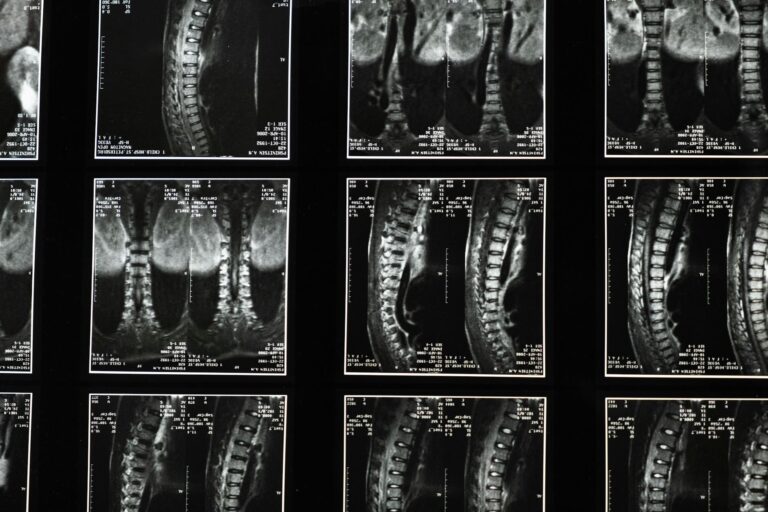
Spinal disc issues that press on nerves can mimic or exacerbate cognitive and neurological symptoms often associated with dementia, making early recognition crucial for brain health. In older adults, a compressed disc may cause subtle neurological disruptions that overlap with dementia signs, such as memory lapses from chronic pain or mobility issues leading to isolation and cognitive decline.
This article outlines eight key symptoms of nerve compression from a disc, helping you differentiate spinal problems from primary brain conditions and protect overall neurological well-being. Readers will learn the specific symptoms, their brain health implications, when to seek evaluation, and practical steps for management. By understanding these signs, you can advocate for timely interventions that preserve cognitive function and prevent secondary brain strain from untreated spinal nerve issues.
Table of Contents
- What Are the 8 Key Symptoms of a Disc Pressing on a Nerve?
- How Do These Symptoms Connect to Brain Health and Dementia?
- Why Is Nerve Compression Often Overlooked in Dementia Patients?
- Detailed Breakdown of Advanced Symptoms
- Red Flags Requiring Immediate Medical Attention
- How to Apply This
- Expert Tips
- Conclusion
- Frequently Asked Questions
What Are the 8 Key Symptoms of a Disc Pressing on a Nerve?
A disc pressing on a nerve, often from herniation or degeneration, disrupts nerve signals, leading to symptoms that can affect daily function and indirectly impact brain health through pain-induced stress or reduced activity. These symptoms vary by spinal location—cervical for neck-related issues, thoracic for mid-back, and lumbar for lower back—but commonly involve sensory and motor changes that warrant attention in dementia contexts, where distinguishing spinal from cerebral causes is vital.
In the cervical spine, symptoms often radiate to arms and hands, potentially mimicking early dementia-related fine motor decline. Lumbar compression, like L5-S1, affects legs and balance, increasing fall risk that accelerates brain injury in vulnerable populations. Recognizing these helps prioritize spine-focused assessments alongside cognitive screenings.
- Radiating pain from back to limbs, sharp or burning, signaling nerve irritation.
- Numbness or decreased sensation in arms, legs, or feet served by the nerve.
- Tingling or pins-and-needles sensation, like a limb falling asleep.
How Do These Symptoms Connect to Brain Health and Dementia?
Nerve compression from discs can create chronic pain and mobility limits that strain cognitive reserves, worsening dementia progression by promoting inactivity and sleep disruption. For instance, persistent leg weakness or imbalance raises fall risks, with head injuries potentially triggering vascular dementia or traumatic brain changes.
Brain imaging in such cases often reveals overlapping inflammation from spinal nerve stress. Studies link untreated spinal issues to neuroinflammation that may amplify amyloid buildup or tau pathology in Alzheimer's contexts, underscoring spine health's role in dementia prevention. Early symptom management supports neurogenesis and maintains mental sharpness.
- Balance and coordination difficulties heightening isolation and cognitive decline.
- Muscle weakness impairing daily tasks, fostering dependency akin to dementia stages.
Why Is Nerve Compression Often Overlooked in Dementia Patients?
Dementia evaluations frequently attribute motor and sensory complaints to brain degeneration, delaying spinal diagnosis that could reverse symptoms. Older adults with disc degeneration face higher risks, as age-related changes narrow spinal canals, compressing nerves without obvious trauma.
This oversight prolongs pain, which elevates cortisol levels harmful to hippocampal function central to memory. Comprehensive neurological exams, including spine MRI, are essential to rule out treatable causes before labeling symptoms as dementia-exclusive.
- Chronic neck or back stiffness mistaken for age-related rigidity.
- Bladder or bowel changes confused with dementia-related incontinence.

Detailed Breakdown of Advanced Symptoms
Severe nerve compression progresses to loss of fine motor skills, leg stiffness, or even partial paralysis, severely limiting brain-engaging activities like puzzles or walking. In thoracic regions, mid-back pain wrapping around the chest can mimic cardiac issues but stems from cord pressure, risking autonomic dysfunction affecting brain blood flow.
Quadriplegia or cauda equina syndrome from lumbar discs demands emergency care to avert permanent nerve death and cognitive complications. These escalate when discs herniate, pressing roots like L5-S1, causing foot drop or sciatica that disrupts gait and vestibular input to the brain.
Red Flags Requiring Immediate Medical Attention
Symptoms like sudden bowel or bladder loss, saddle numbness, or rapidly worsening weakness indicate cauda equina or cord compression, necessitating urgent surgery to preserve nerve integrity and brain signaling. In dementia patients, these amplify confusion from pain or hypoxia, mimicking acute delirium.
Progressive arm/leg paralysis or intractable pain wrapping around the body signals myelopathy, where delay risks irreversible brain-spine disconnect. Monitor for reduced reflexes or inability to walk, as these predict long-term atrophy impacting cognitive rehab potential.
How to Apply This
- Track symptoms daily in a journal, noting radiation patterns and triggers to share with your neurologist.
- Request spine-specific imaging like MRI during dementia workups to identify disc-nerve issues.
- Incorporate gentle posture exercises to alleviate pressure, consulting a physical therapist familiar with brain health.
- Discuss anti-inflammatory options or epidural injections to reduce nerve irritation without cognitive side effects.
Expert Tips
- Tip 1: Prioritize cervical spine checks if arm symptoms appear, as they directly affect hand dexterity vital for brain-stimulating hobbies.
- Tip 2: Use balance training to counter leg weakness, preserving mobility that supports hippocampal health.
- Tip 3: Avoid prolonged sitting; alternate positions to prevent disc bulging that compresses nerves.
- Tip 4: Integrate omega-3s and turmeric for natural anti-inflammation, aiding both spine and brain protection.
Conclusion
Addressing disc-nerve compression promptly safeguards brain health by alleviating pain that otherwise erodes cognitive function and quality of life. In dementia contexts, treating spinal issues can unmask reversible symptoms, enhancing clarity and independence.
Proactive spine care complements brain-focused strategies for holistic neurological wellness. Integrate these insights into routine health checks to empower better outcomes, ensuring spinal health bolsters rather than burdens your cognitive journey.
Frequently Asked Questions
Can disc nerve compression cause dementia-like forgetfulness?
Indirectly yes, through chronic pain disrupting sleep and focus, but it does not cause primary dementia; treat the spine to clarify cognitive status.
How does L5-S1 compression affect brain function?
It leads to leg weakness and falls, risking head trauma that accelerates vascular dementia; early intervention prevents this cascade.
Are tingling symptoms always a pinched nerve?
Often yes, especially radiating ones, but in dementia patients, confirm via EMG to distinguish from central neuropathy.
When should I worry about bowel issues with back pain?
Immediately if paired with numbness or weakness, as it signals cauda equina needing emergency decompression.