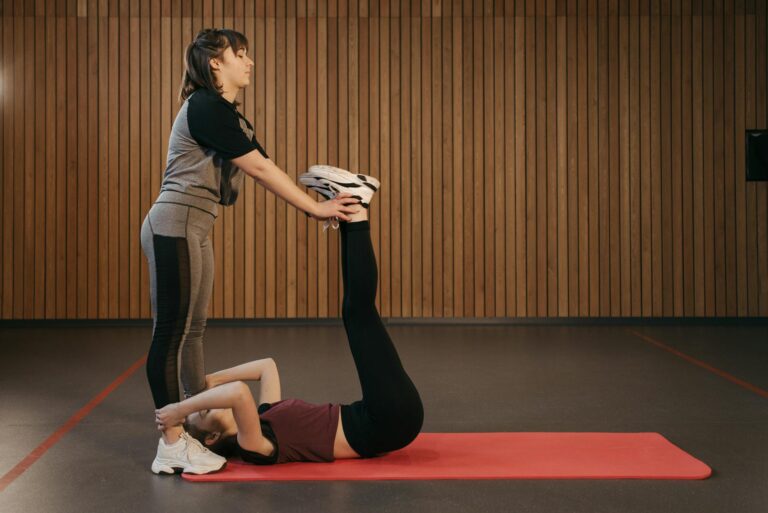
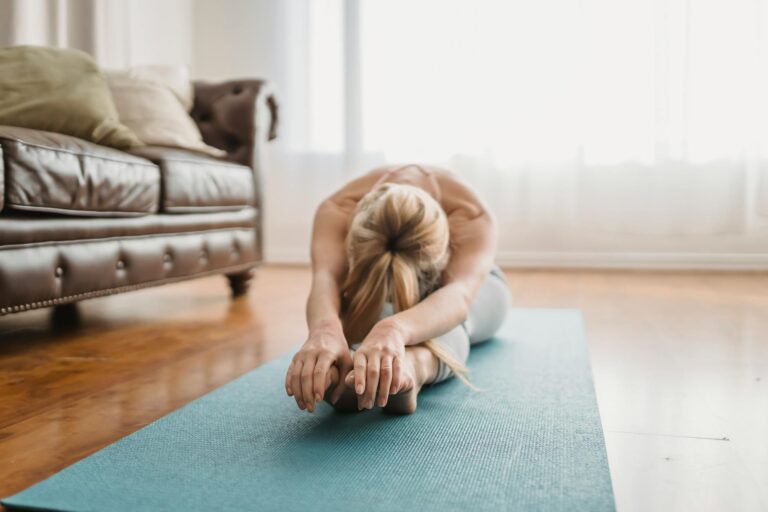
Pelvic stability—the ability to control and strengthen the core muscles that support your pelvis, lower back, and internal organs—is essential for maintaining balance, preventing falls, and preserving independence as we age. Doctors widely recommend eight foundational exercises specifically designed to build this stability: bridges, bird dogs, clams, dead bugs, squats, planks, standing marches, and pelvic floor contractions. For individuals navigating cognitive decline or supporting someone with dementia, pelvic stability becomes even more critical, since balance loss and fall risk increase significantly as cognitive function changes—and falls are among the leading causes of injury and loss of independence in older adults. This article walks through each recommended exercise, explains how to perform them correctly, addresses common mistakes, and shows you how to integrate them into a sustainable routine that works alongside other aspects of brain health and physical wellness.
Why doctors emphasize pelvic stability has everything to do with what the pelvis does. It’s the anchor point for your spine, hips, and legs. When pelvic muscles are weak, you compensate by using your back or knees, leading to chronic pain, poor posture, and increased fall risk. A person with weak pelvic stability might struggle to stand from a chair, lose their balance while walking, or experience incontinence—all issues that compound cognitive challenges and dramatically impact quality of life. Building this foundation doesn’t require expensive equipment or a gym membership; most exercises can be done at home in 10-15 minutes daily.
Table of Contents
- What Does Pelvic Stability Actually Do and Why Should You Care?
- The Eight Recommended Exercises—And How to Progress Them Safely
- Progressive Training—Moving From Beginner to More Challenging
- Common Mistakes That Undermine Your Progress
- Breathing, Pacing, and Listening to Your Body
- Integrating Pelvic Stability Work With Other Brain Health Practices
- Long-Term Outlook—Building Lifelong Pelvic Stability
- Conclusion
- Frequently Asked Questions
What Does Pelvic Stability Actually Do and Why Should You Care?
pelvic stability is about more than just sitting up straight. The pelvis is the base of your entire kinetic chain—it connects your upper and lower body, stabilizes your spine, and supports your organs. When these muscles are strong and engaged, you stand taller, move with better coordination, and significantly reduce your injury risk. For someone with mild cognitive impairment or early-stage dementia, strong pelvic stability becomes a compensatory mechanism; if balance and spatial awareness are declining, a rock-solid core and stable pelvis help maintain physical independence longer.
The practical difference shows up immediately. A person with weak pelvic stability often shuffles their feet, leans forward when walking (which increases forward fall risk), and relies heavily on furniture or handrails. Someone with good pelvic stability walks with a natural gait, transitions smoothly between sitting and standing, and feels confident moving through their home. This confidence itself is protective—people who are afraid of falling often become more cautious, move less, and accelerate muscle loss. For caregivers and healthcare providers working with dementia patients, promoting pelvic stability is a non-pharmaceutical way to maintain function and reduce emergency room visits from falls.

The Eight Recommended Exercises—And How to Progress Them Safely
The eight exercises doctors recommend form a complete progression from basic to more challenging. Let’s cover each one and how to do it correctly.
- *Bridges** are your foundation. Lie on your back with knees bent and feet flat on the floor, hip-width apart. Squeeze your glutes and pelvic floor as you push through your heels to lift your hips until your body forms a straight line from knees to shoulders. Hold for 2-3 seconds, then lower. Start with 10-15 reps. Many people make the mistake of arching their lower back instead of squeezing their glutes; if you feel your back working more than your buttocks, you’re not engaging correctly. A common limitation: if you have hip arthritis or recent hip surgery, bridges may feel uncomfortable until you’ve built some baseline strength elsewhere first.
- *Bird Dogs** target stability across your spine. Start on hands and knees, hands under shoulders, knees under hips. Slowly extend your right arm forward and left leg back, keeping your spine neutral and hips level. Hold for 2-3 seconds. Return to center and repeat on the opposite side. Do 10 reps per side. The critical point here is moving slowly—speed defeats the purpose and often causes people to lose their neutral spine. If you live with balance issues, practice these near a wall or sturdy furniture you can grab if needed.
- *Clams** target the hip abductors and external rotators. Lie on your side, hips and knees bent to 45 degrees, feet together. Keeping your feet touching, lift your top knee toward the ceiling without rolling your pelvis backward. Lower and repeat for 15 reps, then switch sides. Clams feel easy but demand precise form. The mistake most people make: rotating too far backward, which engages the hip flexors instead of the abductors. If you have hip osteoarthritis, this can sometimes irritate the joint; in that case, progress slowly or reduce your range of motion.
- *Dead Bugs** strengthen your deep core. Lie on your back, arms extended straight toward the ceiling, and raise your legs with knees bent at 90 degrees. Slowly lower your right arm overhead while straightening your left leg, hovering both just above the floor without touching. Return and repeat on the opposite side. Do 10 controlled reps per side. The dead bug is underrated—it’s one of the safest ways to engage your deep abdominal muscles without spinal compression, making it ideal for people with lower back sensitivity.
- *Squats** build functional lower-body strength and pelvic stability together. Stand with feet hip-width apart, chest up, and lower your body as if sitting back into a chair, keeping your knees over your ankles and your weight in your heels. Go as deep as comfortable without losing neutral spine. Push through your heels to stand. Start with 15 reps. Squats are powerful but common errors include letting your knees cave inward or shifting weight to your toes. For someone with knee pain or significant mobility loss, chair squats—where you lower until you barely touch the chair seat then stand—work just as well and build the same pelvic stability.
Progressive Training—Moving From Beginner to More Challenging
Not everyone should start with all eight exercises at maximum intensity. Progression matters, especially when cognitive or physical function is already compromised. Begin with bridges, dead bugs, and pelvic floor contractions for one week—these are the safest and most fundamental. Once you’re comfortable with form, add bird dogs and clams. After another week, introduce standing marches and squats. Planks come last, only after you’ve built a baseline of stability.
This gradual approach prevents injury and ensures proper form takes hold before adding complexity. Duration and volume matter less than consistency. A 10-minute session done five days a week beats a 45-minute session once a week. Your nervous system learns movement patterns through repetition, and people with cognitive decline benefit especially from this consistency—it becomes habit, less dependent on remembering to do it. If you’re managing dementia care for someone else, doing these exercises together—turning them into a shared activity—adds a social and motivational component that improves adherence. Some care facilities and dementia day programs now incorporate pelvic stability work into their activity schedules, recognizing the link between core strength and independence.

Common Mistakes That Undermine Your Progress
Form breakdown is the biggest enemy. Rushing through reps, holding your breath (instead of breathing steadily), and doing too much too fast are three classic mistakes. When you rush, your body recruits larger, more superficial muscles instead of the deep stabilizers you’re trying to strengthen. Holding your breath increases intra-abdominal pressure and can exacerbate pelvic floor dysfunction—instead, exhale during exertion, inhale during rest. And doing too much too soon leads to soreness, frustration, and dropout; it’s better to do 10 perfect squats than 30 sloppy ones. Another mistake: ignoring pain signals.
Mild muscle fatigue is normal and productive. Sharp pain, clicking, catching, or numbness is not—these are signs to stop and consult a healthcare provider. Some people also skip mobility work and jump straight to strengthening. However, if you have tight hip flexors, limited ankle mobility, or stiffness from arthritis, strength work alone won’t fix your underlying restrictions. Spending 5 minutes on gentle stretching (hamstrings, hip flexors, calf) before your pelvic stability routine makes the exercises more effective and safer. For individuals with dementia who have balance concerns, introducing exercises while sitting or holding support isn’t “cheating”—it’s smart progression and reduces fall risk during training.
Breathing, Pacing, and Listening to Your Body
Proper breathing during pelvic stability exercises is underestimated but crucial. Many people hold their breath during planks or squats, which creates unnecessary intra-abdominal pressure and can actually weaken pelvic floor function over time. Instead, exhale as you exert effort (squeezing during a bridge, for example) and inhale as you return to rest. This pattern supports your core while protecting your pelvic floor. Learning this rhythm takes conscious practice but becomes automatic quickly. Pacing within a session matters too.
If you’re doing all eight exercises back-to-back, arrange them strategically: alternate between upper-body (bird dogs, planks), lower-body (squats, clams), and full-body work (bridges, dead bugs, standing marches, pelvic floor contractions). This prevents fatigue in any single muscle group and maintains good form throughout. If you feel your form degrading or you’re breathing hard, take a rest day. Rest days are when your muscles actually strengthen—they’re not wasted days. A reasonable schedule is 5 active days with 2 rest days per week. Warning: if you experience dizziness, shortness of breath, chest pain, or severe joint pain during these exercises, stop immediately and seek medical evaluation. These are not normal exercise sensations.
Integrating Pelvic Stability Work With Other Brain Health Practices
Pelvic stability doesn’t exist in isolation. Physical exercise in general enhances cognitive function—aerobic activity increases brain-derived neurotrophic factor (BDNF), which supports neuroplasticity and memory formation. So combining pelvic stability exercises with 30 minutes of walking several times a week creates a synergistic effect for brain health. Additionally, balance training specifically has been shown to slow cognitive decline in older adults.
Tai chi, for example, combines balance, strength, and mindfulness in ways that complement pelvic stability work. For people managing dementia, integration also means timing these exercises when the person is most alert and calm. Many people with dementia have clearer thinking in the morning; scheduling exercise then often leads to better form and safer execution. If the person lives in a facility or with a caregiver, consistency and environmental cues help tremendously—doing the routine in the same location at the same time every day makes it more automatic and less dependent on remembering the routine. Some research suggests that exercise done in social settings or with a partner produces better adherence and mood benefits as well.
Long-Term Outlook—Building Lifelong Pelvic Stability
Once you’ve trained pelvic stability for 4-6 weeks consistently, you’ll notice functional changes: easier transitions from sitting to standing, better posture, and sometimes reduced lower back or knee pain. The temptation then is to drop the routine. However, pelvic stability must be maintained—muscles lose strength quickly when neglected. The good news is that maintenance requires less volume than building. Once strong, 2-3 sessions per week of the eight exercises keeps you stable; you don’t need the initial 5-6 days.
As you age or as cognitive function changes, this maintenance becomes even more important because compensatory strategies break down more easily. Looking forward, pelvic stability work is increasingly recognized as preventive medicine for fall-related injury, a leading cause of disability in older adults with cognitive decline. Some healthcare systems and aging-in-place programs now include pelvic stability assessment and training as standard care. As our understanding of how physical stability supports cognitive resilience grows, these exercises will likely become an even more integrated part of brain health and dementia care protocols. The most important insight: you don’t need to wait for dysfunction to appear before building this foundation.
Conclusion
The eight exercises doctors recommend for pelvic stability—bridges, bird dogs, clams, dead bugs, squats, planks, standing marches, and pelvic floor contractions—form a complete system for building core strength, improving balance, and reducing fall risk. Done consistently with proper form, these exercises require minimal time and equipment while delivering profound functional benefits. For anyone navigating cognitive changes or supporting someone with dementia, this work isn’t just about fitness—it’s about preserving independence, preventing injury, and maintaining the physical capacity to participate in life.
Start where you are, progress gradually, and commit to consistency over intensity. If you’re new to these exercises, consult with a physical therapist or your healthcare provider to ensure they’re appropriate for your specific situation. Once you establish the habit, pelvic stability training becomes a natural part of your weekly routine, one that compounds in benefit over months and years.
Frequently Asked Questions
How long does it take to see results from pelvic stability training?
Most people notice functional improvements within 2-3 weeks—easier standing from chairs, better posture, reduced back pain. Measurable strength gains and improved balance typically show up after 4-6 weeks of consistent practice, three or more times per week.
Can you do these exercises if you have hip or knee arthritis?
Yes, with modifications. Reduce range of motion, avoid full-depth squats, use chair support for standing marches, and avoid lateral movements like clams if they hurt. A physical therapist can modify each exercise to work around arthritis while still building stability.
Is it normal to feel sore after the first session?
Mild muscle soreness 24-48 hours after starting is normal, especially if you haven’t done strength training recently. However, severe soreness, sharp pain, or joint pain isn’t normal—this usually means you did too much too fast or had a form issue. Start conservatively and progress slowly.
Can pelvic stability exercises help with incontinence?
Yes, especially for stress incontinence (leakage during coughing, sneezing, or activity). Pelvic floor contractions combined with general core strength from bridges, squats, and planks directly strengthen the muscles controlling continence. Results take 6-12 weeks of consistent practice.
Do you need equipment for these exercises?
No. A yoga mat or towel for floor work is helpful for comfort, and furniture or a walker for balance support during standing exercises is useful. You might eventually add resistance bands or dumbbells, but they’re optional.
Is it safe to do these exercises daily?
Yes, but it’s not necessary. Five days per week of training with two rest days is optimal for building strength without overtraining. Once established, 2-3 days per week maintains gains. Rest days matter because that’s when muscles adapt and strengthen.