Sciatica, characterized by sharp pain radiating from the lower back through the hips and down the legs, often stems from disc injuries in the lumbar spine that compress the sciatic nerve. For individuals concerned with dementia and brain health, understanding sciatica is crucial because chronic pain from these injuries can exacerbate cognitive decline, disrupt sleep, and heighten stress levels, all of which accelerate neurodegenerative processes. Persistent inflammation from disc-related nerve irritation may also contribute to systemic effects that indirectly impair brain function, making early recognition and management essential for preserving mental sharpness.
In this article, readers will explore eight key causes of sciatica specifically linked to disc injuries, as identified by medical experts, with a focus on how these conditions intersect with aging brains vulnerable to dementia. You'll gain insights into preventive strategies that support both spinal and cognitive health, drawing from authoritative sources like Cleveland Clinic and Mayo Clinic. By the end, you'll have practical steps to mitigate risks and protect long-term brain vitality amid spinal wear.
Table of Contents
- What Are the Most Common Disc Injuries Causing Sciatica?
- How Does Aging Amplify Disc-Related Sciatica Risks for Brain Health?
- Why Do Lifestyle Factors Trigger Disc Injuries Leading to Sciatica?
- How Spinal Stenosis Ties into Disc Injuries and Sciatica
- What Role Do Rare Disc Complications Play in Sciatica for Dementia Patients?
- How to Apply This
- Expert Tips
- Conclusion
- Frequently Asked Questions
What Are the Most Common Disc Injuries Causing Sciatica?
Disc injuries in the lumbar spine are the leading culprits behind sciatica, primarily because these cushions between vertebrae can bulge, herniate, or degenerate, pressing on sciatic nerve roots and triggering pain that radiates to the legs. Herniated discs occur when the soft inner core pushes through the tough outer layer, often due to age-related wear, improper lifting, or sudden trauma, releasing inflammatory chemicals that irritate nearby nerves. This compression not only causes immediate discomfort but can lead to chronic issues that compound brain health risks through ongoing pain signals disrupting neural pathways.
Degenerative disc disease, another prevalent cause, involves the natural drying out and thinning of discs over time, reducing their ability to absorb shock and allowing vertebrae to shift closer, pinching nerves. In older adults prone to dementia, this degeneration accelerates with arthritis or osteoporosis, creating a cycle where spinal instability heightens fall risks and inflammation that may fuel cognitive fog. Spondylolisthesis, where a vertebra slips forward due to weakened discs or ligaments, further narrows nerve pathways, amplifying sciatica in aging populations.
- Herniated Discs: The inner disc material leaks out, inflaming sciatic nerve roots and causing numbness or weakness in the legs, most common under age 40 but worsening with age.
- Degenerative Disc Disease: Discs lose hydration and height, leading to nerve compression; linked to cartilage breakdown in osteoarthritis, prevalent in dementia patients.
- Bulging Discs: Discs extend beyond normal position without full rupture, still pressing on nerves due to daily spinal stress.
How Does Aging Amplify Disc-Related Sciatica Risks for Brain Health?
Aging naturally erodes disc integrity, with water and protein loss making them brittle and prone to injury, a process intensified in those with dementia risk factors like reduced mobility or poor nutrition. By ages 30 to 75, wear from arthritis or bone spurs often compresses nerves, but in brain health contexts, this chronic pain elevates cortisol levels, impairing memory consolidation and hippocampal function key to dementia prevention.
Extra body weight or sedentary lifestyles, common in cognitive decline, add spinal stress, hastening disc breakdown. Weak core muscles fail to stabilize the spine, increasing disc strain and sciatica incidence, particularly when dementia-related inactivity weakens support structures. Diabetes, a neuropathy risk factor overlapping with dementia, damages nerves and discs via poor blood sugar control, creating dual threats to spinal and brain health.
- Age-Related Wear: Discs thin post-40, with bone spurs from osteoarthritis pinching nerves; critical for dementia patients as pain disrupts sleep vital for amyloid clearance.
- Osteoarthritis Overlap: Joint degeneration erodes discs, irritating sciatic roots; inflammation may cross into neuroinflammation affecting brain plaques.
Why Do Lifestyle Factors Trigger Disc Injuries Leading to Sciatica?
Prolonged sitting or poor posture compresses lumbar discs, promoting herniation and sciatica, a major issue for dementia patients often chair-bound due to mobility fears. Heavy lifting with improper form or low activity levels weaken discs over time, while tobacco reduces disc blood flow, accelerating degeneration in vulnerable brains.
Traumatic injuries from falls, prevalent in dementia due to balance loss, can fracture vertebrae or herniate discs, instantly compressing nerves. Muscle imbalances from weak glutes or core further destabilize the spine, inviting disc slips.
- Sedentary Habits: Extended sitting dries discs and strains nerves; counter with movement to boost cerebral blood flow alongside spinal relief.
- Poor Lifting Mechanics: Twisting under load herniates discs; dementia caregivers must model safe techniques to prevent patient falls.

How Spinal Stenosis Ties into Disc Injuries and Sciatica
Lumbar spinal stenosis, often co-occurring with disc degeneration, narrows the spinal canal, trapping nerve roots and mimicking or worsening disc-induced sciatica. As discs thin from degeneration, the canal space shrinks, especially in older adults with arthritis, pressing the sciatic nerve bundle.
For brain health, this chronic compression heightens pain that fragments attention and sleep, accelerating dementia markers like tau protein buildup. In younger patients, disc herniation alone may initiate stenosis-like effects, but aging amplifies it via bone overgrowth, creating a feedback loop of irritation.
What Role Do Rare Disc Complications Play in Sciatica for Dementia Patients?
Spondylolisthesis from disc weakening allows vertebral slippage, compressing nerves and causing sciatica, more common in high-impact activities but degenerative in elders. Piriformis syndrome indirectly stresses discs via muscle spasms, though less directly tied.
Rare masses like cysts near degenerating discs can inflame nerves, urgent in dementia where symptoms mimic cognitive issues. Cauda equina from severe herniations demands immediate care to prevent permanent nerve damage, overlapping with brain health urgency.
How to Apply This
- Assess posture daily, using lumbar supports during sitting to protect discs and maintain cerebral circulation.
- Incorporate core-strengthening walks or yoga, tailored for dementia safety, to stabilize spine and enhance brain-derived neurotrophic factor.
- Monitor weight and blood sugar, as excess strain on discs parallels dementia risks; consult physicians for integrated plans.
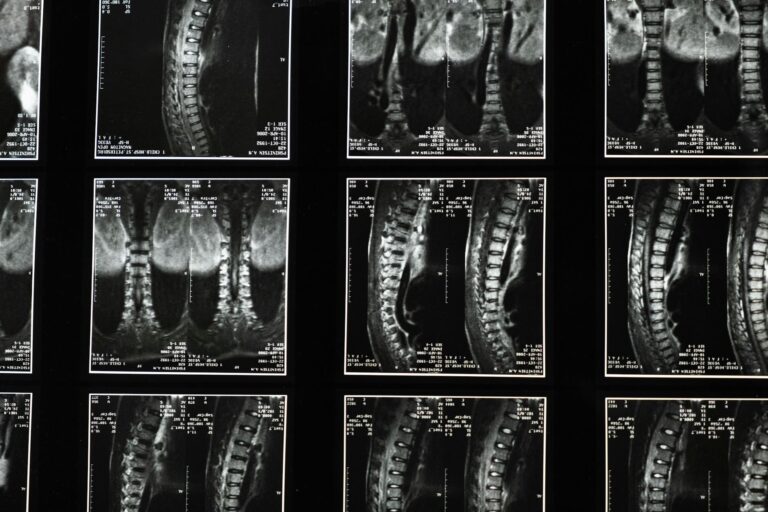
- Schedule regular spine screenings via MRI if sciatica persists, linking to cognitive check-ups for holistic brain-spine health.
Expert Tips
- Tip 1: Prioritize anti-inflammatory diets rich in omega-3s to soothe disc-related nerve pain and reduce brain amyloid.
- Tip 2: Alternate sitting with standing desks to prevent disc compression, preserving focus for dementia-preventive mental exercises.
- Tip 3: Use heat therapy on lower back to ease sciatica flares, improving sleep quality essential for glymphatic brain clearance.
- Tip 4: Engage physical therapy focusing on McKenzie extensions to decompress discs, boosting mobility for brain-stimulating activities.
Conclusion
Addressing disc injuries behind sciatica empowers those prioritizing dementia prevention by breaking the pain-inflammation-cognition cycle.
Early intervention preserves spinal function, enabling active lifestyles that safeguard brain health against decline. By integrating these insights, readers can proactively manage risks, fostering resilience in both body and mind for long-term vitality.
Frequently Asked Questions
Can sciatica from disc injuries worsen dementia symptoms?
Yes, chronic sciatica pain elevates stress hormones that impair memory and sleep, accelerating dementia progression; managing it supports cognitive stability.
How does degenerative disc disease link to brain health?
Disc thinning causes nerve compression and inflammation that may contribute to neuroinflammation, a dementia hallmark; strengthening cores helps both.
Is sciatica common in early dementia stages?
Frequent, due to inactivity weakening discs and falls risking herniations; mobility programs mitigate dual spinal-brain threats.
What daily habit prevents disc-related sciatica?
Avoid prolonged sitting and lift with knees bent; these reduce disc pressure while promoting activity for hippocampal brain health.