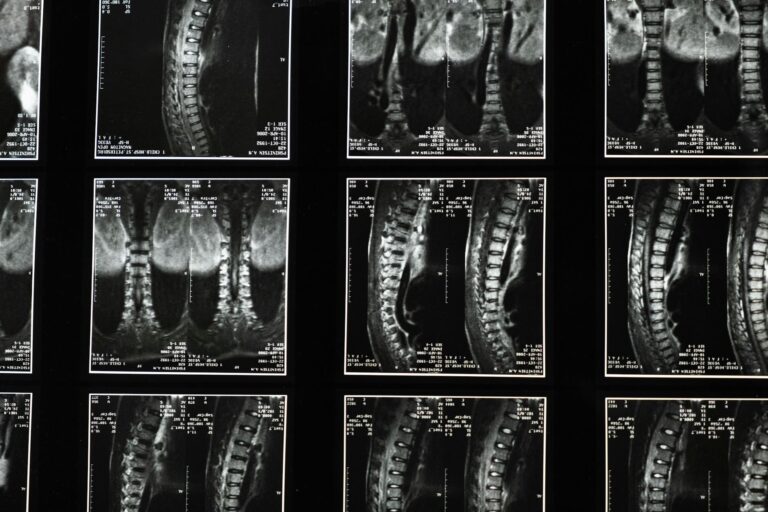
Lumbar spine injuries can emerge suddenly, often from trauma or strain, and their symptoms may disrupt daily life in ways that intersect with brain health concerns, particularly for those managing dementia. In older adults prone to cognitive decline, sudden back pain or neurological changes might mimic or exacerbate dementia-related mobility issues, confusion, or fall risks, making prompt recognition essential to prevent further cognitive and physical deterioration.
This article details seven key symptoms that can appear abruptly, empowering readers to differentiate spinal issues from dementia progression and seek timely intervention. Readers will learn the specific sudden-onset symptoms of lumbar spine injuries, their relevance to brain health maintenance, and how these can compound dementia challenges like reduced activity leading to faster cognitive decline. By understanding these signs, caregivers and individuals with dementia can protect spinal integrity to support overall neurological well-being, as spinal health influences posture, balance, and pain levels that affect brain function.
Table of Contents
- What Are the 7 Sudden Symptoms of Lumbar Spine Injuries?
- Why Do These Symptoms Appear Suddenly in Dementia Patients?
- Symptom 4-7: Muscle Spasms, Balance Trouble, and More
- How Lumbar Injuries Impact Brain Health and Dementia
- When to Seek Emergency Care for These Symptoms
- How to Apply This
- Expert Tips
- Conclusion
- Frequently Asked Questions
What Are the 7 Sudden Symptoms of Lumbar Spine Injuries?
Lumbar spine injuries, affecting the lower back vertebrae (L1-L5), often stem from sudden trauma like falls or heavy lifting, leading to immediate neurological disruptions that can impair mobility and sensation. These symptoms arise from nerve compression, fractures, or disc herniation, and in dementia patients, they heighten fall risks and inactivity, accelerating brain health decline through reduced cerebral blood flow and neuroplasticity.
Recognizing them quickly is vital, as delays can worsen paralysis or chronic pain, indirectly taxing cognitive reserves already strained by dementia. The seven key symptoms that may appear suddenly include severe pain, radiating discomfort, numbness, weakness, loss of bowel or bladder control, muscle spasms, and balance difficulties. Each signals potential cauda equina syndrome or spinal cord compression, emergencies requiring immediate care to preserve nerve function and support dementia management.
- Extreme low back pain or pressure: Often the first sign after injury, this sharp pain differs from chronic aches and can radiate, signaling fracture or disc rupture.
- Radiating pain down the legs (sciatica): Shooting pain into glutes or legs from nerve compression, worsening with movement and complicating dementia-related gait instability.
- Numbness or tingling in legs, feet, or groin: Sudden sensory loss, known as saddle anesthesia, indicates serious nerve damage.
Why Do These Symptoms Appear Suddenly in Dementia Patients?
Sudden lumbar symptoms often follow minor trauma overlooked in dementia due to memory lapses or confusion, such as unnoticed falls from balance issues common in cognitive decline. Osteoporosis, prevalent in older adults with dementia, heightens fracture risk from compression, causing abrupt pain and weakness that disrupts routines essential for brain health like walking.
These injuries can create a feedback loop: pain leads to inactivity, fostering muscle atrophy and further spinal stress while diminishing hippocampal volume linked to memory. Neurological overlap confounds diagnosis; lumbar nerve issues mimic dementia's motor slowing, but sudden onset distinguishes them, urging imaging to rule out spinal causes before attributing to brain progression.
- Sudden leg weakness or incoordination: Compressed nerves cause limb failure, increasing fall risks that exacerbate traumatic brain injury in dementia cases.
- Loss of bowel or bladder control (incontinence): A red-flag emergency from cauda equina, often paired with groin numbness, severely impacting dignity and care in dementia settings.
Symptom 4-7: Muscle Spasms, Balance Trouble, and More
Beyond initial pain and sensory changes, lumbar injuries trigger muscle spasms from inflammation or nerve irritation, locking the back and hindering posture—critical for dementia patients to avoid compensatory gaits that strain the brain's motor cortex.
Balance and walking difficulties emerge rapidly, as L3-L5 injuries weaken hips and legs, amplifying dementia's inherent unsteadiness and raising head injury risks that accelerate cognitive loss. These later symptoms demand urgency; trouble breathing or exaggerated reflexes, though rarer in pure lumbar cases, can occur if injury ascends, further compromising oxygenation vital for brain cells.
- Muscle spasms or stiffness: Uncontrollable contractions cause severe pain and immobility, persisting 10-14 days if untreated.
- Difficulty with balance and walking: Sudden gait loss from weakness, heightening dementia fall cycles.

How Lumbar Injuries Impact Brain Health and Dementia
Lumbar spine injuries indirectly erode brain health by enforcing bed rest, which atrophies muscles and reduces neurotrophic factors like BDNF essential for dementia stabilization. Chronic pain from unresolved symptoms elevates cortisol, inflaming the brain and hastening amyloid buildup in Alzheimer's pathology.
In dementia, distinguishing spinal from cognitive symptoms prevents misattribution; for instance, leg weakness might prompt unnecessary antipsychotics instead of spinal surgery. Maintaining spinal health through awareness preserves mobility, key to cerebral reserve and slowing dementia progression via exercise-induced neurogenesis.
When to Seek Emergency Care for These Symptoms
Any combination of these symptoms post-injury warrants immediate evaluation, as numbness or incontinence signals cauda equina needing surgery within hours to avert permanent paralysis.
For dementia patients, baseline confusion masks symptoms, so caregivers must monitor for subtle changes like altered gait or unexplained pain, as delays compound neurological damage affecting cognition. Do not move the person; call emergency services and stabilize the neck to prevent ascent of injury impacting cervical nerves and breathing, crucial for brain oxygenation.
How to Apply This
- Monitor daily mobility in dementia patients for sudden changes like limping or hesitancy, logging incidents to track patterns.
- Assess for red flags post-fall: check for leg numbness, incontinence, or severe pain, avoiding self-treatment.
- Consult neurologists or spine specialists familiar with dementia to differentiate symptoms via MRI, prioritizing brain-spine interplay.
- Integrate preventive spine care into dementia routines, like physical therapy to bolster lumbar strength and reduce injury risk.
Expert Tips
- Tip 1: Encourage seated exercises for dementia patients to maintain lumbar flexibility without fall risks, preserving brain-boosting activity.
- Tip 2: Use pain diaries to separate spinal flares from dementia agitation, guiding targeted therapies.
- Tip 3: Prioritize osteoporosis screening in dementia care, as fractures trigger most sudden lumbar symptoms.
- Tip 4: Train caregivers on emergency signs, emphasizing that spinal issues can mimic stroke in brain health contexts.
Conclusion
Understanding these seven sudden lumbar spine injury symptoms equips dementia caregivers to act swiftly, safeguarding mobility and cognitive function against compounded decline.
Early intervention not only averts paralysis but supports active lifestyles that foster brain resilience. By linking spinal vigilance to brain health, individuals with dementia can mitigate injury cascades, promoting sustained neurological integrity amid cognitive challenges.
Frequently Asked Questions
Can lumbar spine symptoms be mistaken for dementia progression?
Yes, sudden weakness or gait changes from lumbar injuries often mimic dementia's motor decline, but their abrupt onset and leg-specific radiation distinguish them, requiring imaging for clarity.
Why is incontinence a critical symptom in dementia patients?
It signals cauda equina syndrome from lumbar compression, an emergency risking permanent nerve damage that worsens dementia care burdens like hygiene and mobility.
How quickly do lumbar injury symptoms demand medical attention?
Immediately for red flags like numbness, weakness, or bowel loss, as delays beyond hours can cause irreversible harm, especially impacting brain health via inactivity.
Are falls more dangerous for dementia patients with lumbar risks?
Absolutely, as osteoporosis and balance issues heighten fracture likelihood, triggering sudden symptoms that spiral into cognitive acceleration through pain and immobility.