Sciatica, characterized by pain along the sciatic nerve pathway, can significantly impact brain health, particularly in individuals with dementia who already face mobility challenges and heightened fall risks. Nerve compression or irritation leading to sciatica symptoms may exacerbate cognitive decline by limiting physical activity, which is crucial for maintaining neuroplasticity and cerebral blood flow. Understanding these symptoms is vital for dementia patients and caregivers, as early identification can prevent complications like muscle weakness that contribute to inactivity and further brain fog.
In this article, readers will learn the seven key symptoms doctors use to identify sciatica, drawn from clinical observations and diagnostic practices. We'll explore how these manifestations relate to brain health, including their potential to worsen dementia-related disorientation through pain-induced stress on neural pathways. By the end, you'll gain practical insights on symptom recognition tailored to dementia care, empowering proactive management to support cognitive stability.
Table of Contents
- What Are the 7 Key Symptoms Doctors Use to Identify Sciatica?
- How Does Sciatica Pain Radiate and Affect Brain Health?
- Neurological and Functional Symptoms in Sciatica
- Why Sciatica Poses Unique Risks for Dementia and Brain Health
- Diagnostic Tests Doctors Use Alongside Symptoms
- How to Apply This
- Expert Tips
- Conclusion
- Frequently Asked Questions
What Are the 7 Key Symptoms Doctors Use to Identify Sciatica?
Doctors rely on a cluster of hallmark symptoms to diagnose sciatica, primarily through patient history and physical exams like the straight leg raise test, which provokes pain between 30-70 degrees of leg elevation. These symptoms stem from sciatic nerve irritation, often due to herniated discs compressing nerve roots in the lower spine, and typically affect one side of the body. In dementia patients, distinguishing sciatica from cognitive confusion is essential, as untreated pain can amplify agitation and disrupt daily brain-stimulating routines.
The seven symptoms include unilateral pain distribution, deep buttock discomfort, lower back involvement, leg tingling or electric shocks, sharp burning sensations, leg weakness, and positional pain variations. These align with neurological signs like numbness or altered reflexes, worsening with actions such as coughing or bending. For brain health, persistent sciatica can lead to reduced mobility, indirectly harming hippocampal function tied to memory in dementia.
- Pain limited to the buttock and leg on one side of the body, rarely bilateral which signals more serious issues.
- Pain or numbness deep within one buttock, often the first noticeable sign.
- Lower back pain radiating down the leg, distinguishing sciatica from simple backache.
How Does Sciatica Pain Radiate and Affect Brain Health?
Sciatica pain typically originates in the lower back or buttock and shoots down one leg, following the sciatic nerve from hips to feet, manifesting as dull aches, burning, or electric jolts. This radiation pattern helps doctors confirm nerve involvement, especially if it intensifies with sneezing, coughing, or prolonged sitting.
In dementia contexts, this pain can trigger chronic stress responses, elevating cortisol levels that accelerate neurodegeneration. Worsening with specific motions like twisting or leg lifts, the pain disrupts gait and balance, heightening fall risks critical for dementia patients prone to spatial disorientation. Addressing radiation early preserves physical activity, vital for oxygenation of brain tissues and slowing amyloid plaque buildup.
- Burning, sharp, prickling, or tingling pain rather than dull aches, often electric shock-like down the leg.
- Nerve tingling, pins and needles, or electric shocks intermittently in one leg.
Neurological and Functional Symptoms in Sciatica
Beyond pain, sciatica presents with neurological deficits like numbness, tingling, or intense hot/cold sensations, alongside muscle weakness that causes leg give-way during standing. Doctors assess these via reflexes and strength tests, noting improvements like reduced spasms as recovery signs.
For dementia, weakness compounds motor decline, limiting exercise that supports BDNF production for neuronal health. These symptoms may centralize toward the hip as healing begins, with less leg involvement indicating progress, though persistent issues warrant imaging to rule out spinal causes. In brain health management, mitigating weakness prevents deconditioning that exacerbates cognitive inertia.
- Weakness in the affected leg, such as buckling when rising from sitting.
- Pain worse when sitting or standing, but relieved by lying down.

Why Sciatica Poses Unique Risks for Dementia and Brain Health
In dementia patients, sciatica's interplay with cognitive impairment heightens vulnerability, as pain misinterpretation can delay diagnosis and treatment. Herniated discs cause 90% of cases, compressing the sciatic nerve and potentially straining brain-body connections via chronic inflammation.
Reduced mobility from symptoms like leg weakness fosters sedentary lifestyles, diminishing cerebral perfusion and accelerating vascular dementia progression. Diagnostic tools like MRI or nerve studies confirm sciatica when symptoms persist, but early intervention is key to avoid bowel/bladder loss signaling emergencies. Tailored care preserves autonomy, supporting brain reserve through maintained activity levels despite dementia.
Diagnostic Tests Doctors Use Alongside Symptoms
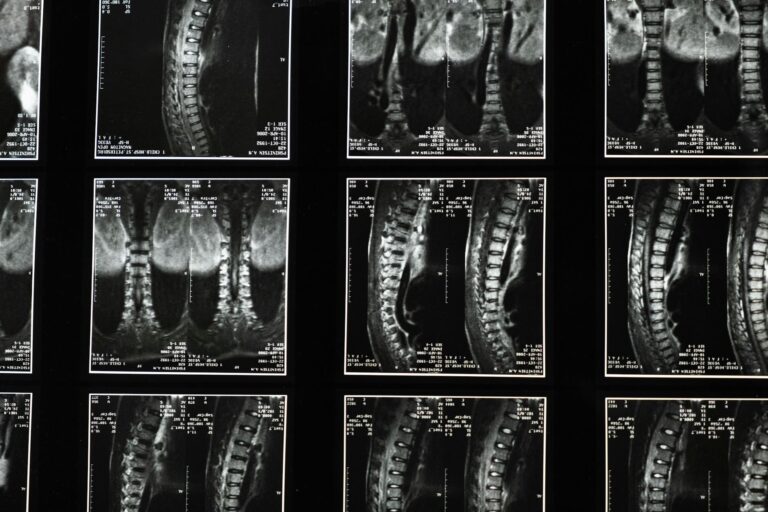
Physical exams form the backbone, with the straight leg raise test eliciting pain to pinpoint nerve irritation, complemented by gait observation for asymmetry. Imaging like MRI or CT scans visualizes disc herniations, while electromyography measures nerve conduction if symptoms suggest broader neuropathy.
In dementia, non-invasive tests minimize confusion, focusing on symptom correlation to affirm sciatica over mimics like peripheral neuropathy common in Alzheimer's. These confirm the seven symptoms' sciatic origin, guiding treatments that safeguard brain health by restoring function without overmedicating, which risks cognitive side effects.
How to Apply This
- Track symptoms daily in a journal, noting unilateral leg pain or tingling to share with doctors for accurate sciatica diagnosis amid dementia symptoms.
- Perform gentle straight leg raises at home to self-assess provocation, but stop if pain worsens and consult a specialist.
- Incorporate low-impact walks to counter weakness, boosting brain blood flow while monitoring for sciatica flares.
- Schedule regular neurological check-ups to differentiate sciatica from dementia progression, ensuring timely interventions.
Expert Tips
- Tip 1: Prioritize lying down positions for relief to maintain restful sleep, essential for amyloid clearance in dementia brains.
- Tip 2: Use heat therapy on buttocks to ease deep pain, promoting mobility that supports neuroplasticity.
- Tip 3: Strengthen core with supervised exercises to prevent recurrences, preserving gait stability for fall prevention.
- Tip 4: Monitor for centralization of pain toward hips as a recovery sign, correlating with improved brain-engaging activities.
Conclusion
Recognizing sciatica's seven symptoms enables dementia caregivers to act swiftly, mitigating pain that could otherwise compound cognitive and physical decline.
By linking nerve health to brain vitality, proactive management fosters sustained independence and mental sharpness. Ultimately, integrating sciatica awareness into dementia care routines enhances quality of life, emphasizing the interconnectedness of spinal nerve function and cerebral well-being for long-term resilience.
Frequently Asked Questions
Can sciatica symptoms mimic dementia-related confusion?
Yes, leg weakness or numbness from sciatica can cause disorientation or falls, mimicking dementia gait issues, but unilateral radiation distinguishes it—seek neurological evaluation.
How does untreated sciatica impact brain health in dementia patients?
It promotes inactivity, reducing brain oxygenation and BDNF, potentially hastening cognitive decline; early relief via physical therapy counters this.
When should dementia patients with sciatica seek emergency care?
Immediately for bilateral pain, muscle weakness, or loss of bladder/bowel control, indicating cauda equina syndrome.
Are there brain-protective exercises for sciatica in dementia?
Yes, gentle yoga or swimming desensitizes nerves while enhancing hippocampal volume; start under supervision to avoid flares.