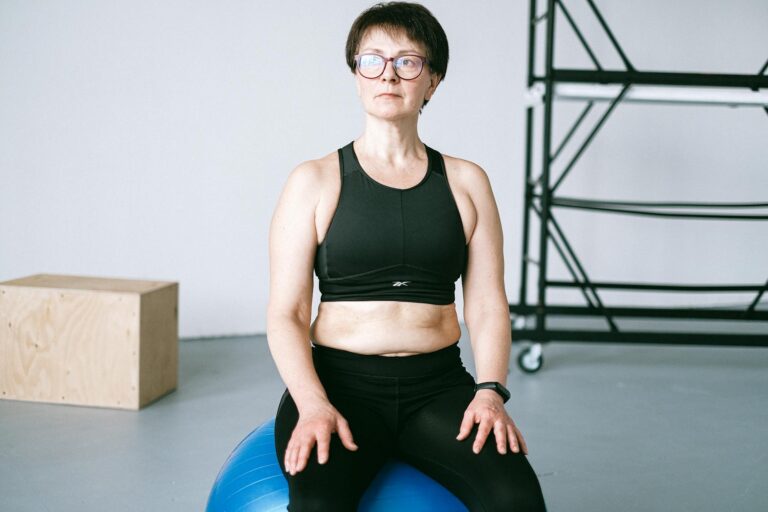
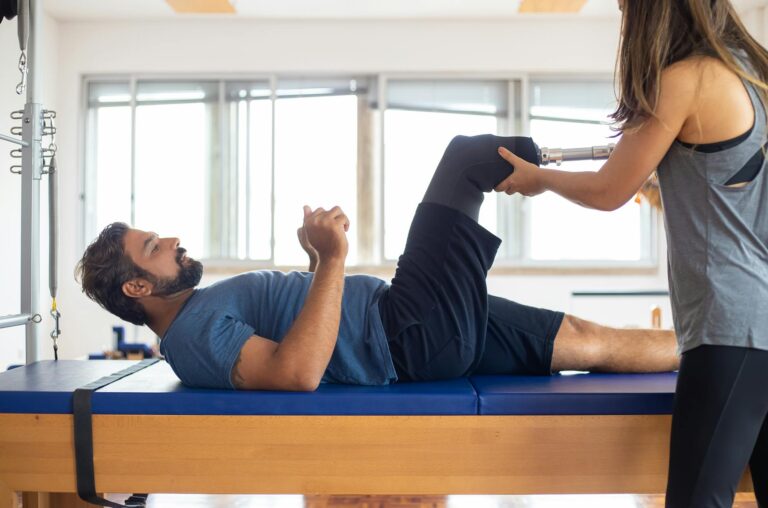
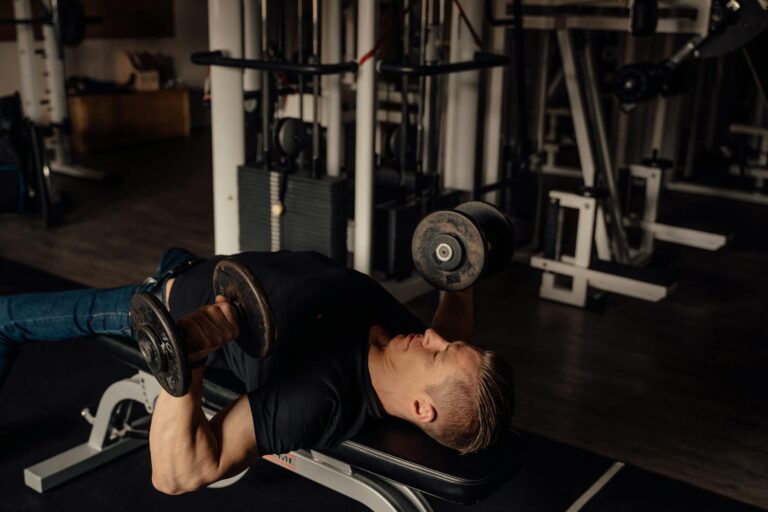
Specialists recommend seven core exercises for lumbar spine support: curl-ups, side planks, bird-dog exercises, bridges, pelvic tilts, knee-to-chest stretches, and hip abduction movements. These aren’t random recommendations—they’re based on biomechanical research showing that core stabilization exercises demonstrate superior efficacy compared to general aerobic or flexibility routines for optimizing spinal stability through enhanced neuromuscular control, endurance, and strength of the lumbar-pelvic-hip complex. If you’ve experienced lower back pain or worry about spinal health as you age, understanding these seven exercises and how to perform them correctly can make a meaningful difference in your mobility and independence.
The evidence supporting these exercises is substantial. A 2025 systematic review evaluated six exercise interventions for low back pain and demonstrated core training’s effectiveness, while research from the Academy of Orthopaedic Physical Therapy confirms that exercise is “probably effective” for treatment of chronic low back pain compared to no treatment or usual care. This article walks you through each of the seven recommended exercises, explains why they work, and shows you how to build them into a sustainable program.
Table of Contents
- What Are the Big Three Exercises Specialists Recommend for Lumbar Stability?
- Beyond the Big Three—Additional Specialist-Recommended Exercises for Complete Lumbar Support
- Why Core Stabilization Exercises Outperform General Fitness for Lumbar Spine Health
- How to Implement These Exercises as a Structured Program
- Why Active Exercise Beats Passive Treatment—And Why Rest Can Actually Worsen Outcomes
- Pilates and Resistance Training—Different Approaches with Different Benefits
- Building Your Long-Term Lumbar Spine Support Program
- Conclusion
What Are the Big Three Exercises Specialists Recommend for Lumbar Stability?
The foundation of specialist-recommended lumbar spine support rests on three exercises developed by Dr. Stuart McGill, a leading spine biomechanics researcher. These “Big Three”—curl-ups, side planks, and bird-dog exercises—engage the critical spine stability muscles that protect your lower back during daily activities. McGill’s research emphasizes that these exercises don’t just build muscle; they teach your nervous system to activate stabilizer muscles with proper timing and control, which is far more important than raw strength alone. Curl-ups are the gentlest of the three and differ significantly from full sit-ups. You lie on your back with knees bent, hands behind your head, and gently curl only your shoulders a few inches off the ground—lifting just enough to feel your abdominal muscles engage without straining your neck.
Side planks require you to lie on one elbow with your body in a straight line from head to heels, holding steady while your oblique muscles work to prevent your hips from sagging. Bird-dog exercises have you on hands and knees, then slowly extend one arm forward while the opposite leg extends behind you, creating a straight line from fingertips to toes. The beauty of the Big Three is that they isolate the stabilizer muscles without the repetitive spinal flexion that can aggravate existing back problems. For older adults and those managing mobility concerns, these exercises can be modified. Curl-ups can be reduced to even smaller ranges of motion, side planks can be performed on your knees instead of your toes, and bird-dogs can be done with slower, shorter movements. Specialists often recommend these three as the daily foundation—they require minimal equipment and can be performed in the space of a yoga mat.

Beyond the Big Three—Additional Specialist-Recommended Exercises for Complete Lumbar Support
The remaining four exercises in the specialist-recommended arsenal address different aspects of spinal health. Bridge exercises activate your glutes and lower back extensors—the large muscles on the back of your thighs and buttocks that are crucial for posture and preventing your pelvis from tilting forward excessively. You lie on your back with knees bent and feet flat, then push through your heels to lift your hips toward the ceiling, creating a straight line from knees to shoulders. This exercise is particularly effective because it also strengthens the posterior chain, which often weakens with age and sedentary habits. Pelvic tilts teach your spine a foundational movement pattern.
Lying on your back, you gently tilt your pelvis so your lower back flattens against the floor, then relax to allow a small arch. This simple motion trains your core muscles to control the angle of your spine, reducing harmful compensatory movements. Knee-to-chest stretches and hamstring stretches address flexibility alongside strength—your low back cannot stabilize properly if your hip flexors and hamstrings are tight, as tightness in these areas pulls on your lumbar spine. Finally, hip abduction exercises (lying on your side and lifting your top leg) strengthen the gluteus medius muscle, which stabilizes your pelvis during walking and standing and is often weak in people with chronic back pain. However, if you have acute pain or neurological symptoms like numbness or tingling down your leg, these exercises should be modified or postponed until you’ve consulted a physical therapist. The exercises work best when combined into a structured program rather than performed sporadically, and some people find they need 1-2 weeks of gentle adaptation before their body is ready for the full range of motion.
Why Core Stabilization Exercises Outperform General Fitness for Lumbar Spine Health
Many people assume that any exercise is good for back health, but research reveals important distinctions. Core stabilization exercises—those that specifically target the deep muscles that support your spine—demonstrate superior efficacy compared to general aerobic exercise or flexibility-only routines. The difference comes down to neuromuscular control: stabilization exercises teach your muscles to activate in precise patterns and timing, protecting your spine during movement. General aerobic activities like walking or cycling, while beneficial for overall health, don’t specifically train these stabilization patterns. A 2025 systematic review and meta-analysis comparing six different exercise interventions found that core training produced the most consistent improvements in pain reduction and functional ability. Importantly, research also shows that exercise treatment is “probably more effective than education alone or non-exercise physical therapy,” meaning that simply learning about back health or receiving passive treatments doesn’t match the benefit of active, targeted exercise.
This distinction matters for long-term outcomes: specialists have found that active exercise strategies are associated with decreased disability, while passive methods like rest and medication are associated with worsening disability over time. The mechanism is straightforward but powerful. Your spine has 24 vertebrae stacked with discs between them, held in place by an intricate network of ligaments and muscles. The deep core muscles—the transversus abdominis, multifidus, pelvic floor, and diaphragm—act like a muscular corset, creating pressure that stabilizes these segments before movement happens. When these muscles are weak or uncoordinated, your spine must rely more heavily on ligaments and passive structures to handle load, which leads to pain and accelerated wear. Stabilization training wakes up these sleeping muscles and reestablishes the neuromuscular control that protects your spine.

How to Implement These Exercises as a Structured Program
Specialists typically recommend 8-week structured protocols that combine strengthening, stretching, and core-building exercises under professional guidance, though many people benefit from continuing the program long-term. The structure matters because it allows your body to progress gradually, starting with foundational movements and advancing to more challenging variations as your stability improves. A typical week might involve performing the Big Three daily (curl-ups, side planks, bird-dog) as your baseline stability work, then adding bridges and pelvic tilts three to four times per week, with stretching on most days. The progression pathway is important. Your first week focuses on learning proper form and building awareness—you’re not trying to do many repetitions or hold long durations. By week three or four, you begin holding positions longer or increasing repetitions slightly.
Weeks five through eight introduce variations that increase difficulty—perhaps moving from a wall-supported bird-dog to a full bird-dog, or from knee planks to full planks. A physical therapist or experienced trainer can help customize this progression to match your baseline fitness and pain level. The tradeoff to consider is consistency versus intensity. One of the most common mistakes is attempting too many repetitions or too-advanced variations too quickly, which either aggravates pain or leads to burnout. Specialists emphasize that five to ten repetitions of an exercise performed with perfect form and full neural engagement is more valuable than twenty sloppy repetitions where your body is essentially going through motions without true muscle activation. Many people also find that morning is the best time to perform these exercises, as the spine is hydrated and stiffness from overnight inactivity makes the work particularly beneficial.
Why Active Exercise Beats Passive Treatment—And Why Rest Can Actually Worsen Outcomes
Research from physical therapy demonstrates a counterintuitive finding: prolonged rest from back pain actually delays recovery and increases the risk of chronic disability. This flies against the common inclination to rest when your back hurts, but the evidence is clear. Active exercise strategies are associated with decreased disability, improved function, and better long-term outcomes, while passive methods—rest, anti-inflammatory medications alone, or passive therapies without an active exercise component—are associated with worsening disability over time. Specialists now recommend that even people with acute back pain should begin gentle active exercise within the first week or two rather than waiting weeks before moving. The physiological reason relates to muscle deconditioning. When you rest an injured area completely, the muscles around it begin losing strength and endurance within days.
This weakness means your spine loses the neuromuscular support it needs, which paradoxically increases future risk of pain and injury. Additionally, movement stimulates blood flow and healing processes in damaged tissues; complete immobility slows healing. This doesn’t mean pushing through severe pain—it means finding the right balance of gentle, progressive activity that challenges your stability muscles without aggravating acute inflammation. A important caveat exists here: if you have acute, severe pain, fever, unexplained weight loss, or neurological symptoms like leg weakness or loss of bowel/bladder control, you should seek immediate medical evaluation before beginning exercise. These could indicate serious conditions requiring different treatment. For typical mechanical lower back pain, though, the evidence strongly supports starting active exercise sooner rather than later, with gradual progression guided by a physical therapist.
Pilates and Resistance Training—Different Approaches with Different Benefits
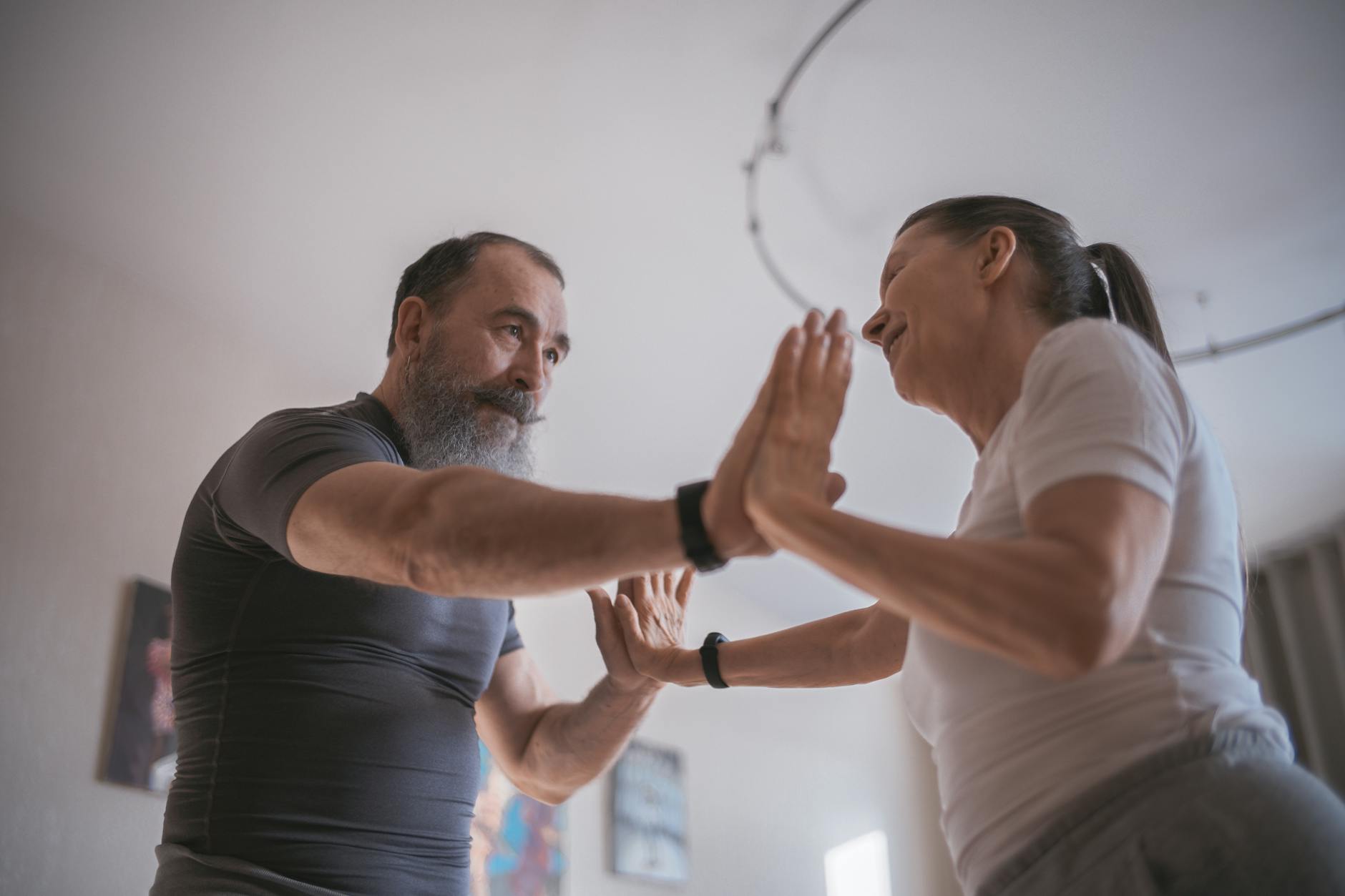
Research from 2026 shows that different exercise modalities produce different results. Pilates training demonstrates superior effectiveness for pain relief in people with lumbar spine conditions, while core resistance training shows optimal benefits for functional improvement—meaning the ability to perform daily activities more easily. Understanding this distinction helps you choose the right approach for your primary goal.
Pilates focuses on controlled movements, precise form, and deep muscle activation with an emphasis on breathing and mind-body connection. The flowing, low-impact nature of Pilates makes it accessible for many people and particularly valuable if pain is your primary concern. Resistance training, whether using weights, bands, or your body weight, builds raw strength in the stabilizer muscles and is particularly effective if your goal is to return to activities you’ve had to avoid. Many specialists recommend combining both approaches—using Pilates or controlled bodyweight exercises for the foundational stabilization work, then adding progressive resistance training to build the strength needed for sustained function.
Building Your Long-Term Lumbar Spine Support Program
The seven recommended exercises are most powerful when viewed not as a short-term treatment but as part of a lifelong approach to spinal health. Once you’ve spent eight weeks building strength and neuromuscular control, the goal shifts from rehabilitation to maintenance and prevention. Many people find they can reduce frequency slightly—performing stabilization work three to four times weekly instead of daily—while maintaining the benefits they’ve achieved.
Your program should also adapt as you age and as your activity demands change. An older adult focused on maintaining independence might emphasize balance and functional movements alongside the core work, while a younger person returning to sports might add sport-specific stability exercises. The principle remains consistent: your spine stabilizes best when the deep muscles around it are strong, coordinated, and activated during movement. By understanding and consistently performing these seven exercises, you’re not just treating current back pain—you’re building resilience into your spine for decades to come.
Conclusion
Specialists recommend seven specific exercises—curl-ups, side planks, bird-dog exercises, bridges, pelvic tilts, knee-to-chest stretches, and hip abduction movements—because research consistently shows that core stabilization training outperforms other exercise approaches for lumbar spine support. These exercises work by training your nervous system to activate deep stabilizer muscles with proper timing and control, creating a muscular corset that protects your spine during daily activities. The evidence is substantial: 2025 research confirms that core training is effective for low back pain, and specialists emphasize that active exercise produces better long-term outcomes than passive methods or rest.
If you’re experiencing lower back pain or want to prevent it as you age, starting with an 8-week structured program that combines these seven exercises, performed with proper form and gradual progression, offers evidence-based results. Consider working with a physical therapist to ensure correct technique and appropriate progression, and remember that consistency matters more than intensity—five minutes of focused, proper execution daily beats sporadic intense sessions. Your spine supports everything you do; investing in its stability now pays dividends in mobility, independence, and quality of life for years to come.