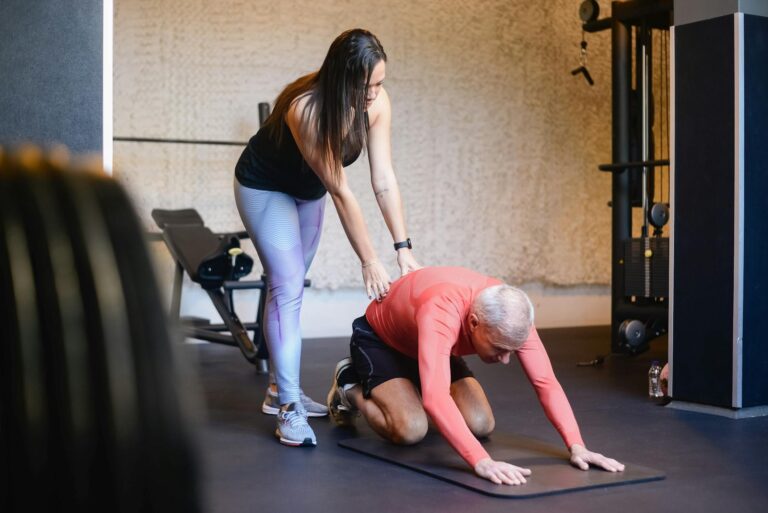
The seven exercises doctors most commonly recommend for long-term spine health are pelvic tilts, bird dogs, planks, cat-cow stretches, bridges, glute strengthening exercises, and walking or low-impact cardio. These movements address the root causes of spine problems: weak core muscles, inflexible hip flexors, and poor spinal alignment. For example, a 65-year-old who spent decades at a desk doing regular pelvic tilts and bird dogs for just 15 minutes daily can often resolve chronic lower back pain within 6-8 weeks without medication. This article explores each of these seven exercises in detail, explains why doctors recommend them, outlines proper form to avoid injury, and discusses how they work together to support spinal health throughout aging.
Table of Contents
- Why Core Strength Forms the Foundation of Spine Health
- Pelvic Tilts and Bird Dogs—The Beginner-Friendly Starting Point
- Planks—Building Muscular Endurance Without Movement
- Cat-Cow Stretches—Restoring Spinal Mobility and Disc Health
- Bridges and Glute Strengthening—Addressing the Weak Link in Modern Spines
- Walking and Low-Impact Cardio—The Underrated Spine Protector
- Combining These Exercises Into a Sustainable Routine
- Conclusion
- Frequently Asked Questions
Why Core Strength Forms the Foundation of Spine Health
Your core muscles—the deep abdominal, back, and hip muscles—act as a natural corset that stabilizes your spine and reduces stress on discs and joints. Without adequate core strength, your spine compensates by relying more heavily on ligaments and disc structures, which leads to degeneration over time.
Most people assume they need intense ab workouts, but doctors recommend gentle, sustained core work instead. A 30-second plank held with proper form activates more stabilizing muscle fibers than 50 crunches, and it builds endurance rather than bulk. Research shows that consistent core strengthening reduces the recurrence rate of lower back pain episodes by up to 60% compared to people who only stretch or rest when pain flares.
Pelvic Tilts and Bird Dogs—The Beginner-Friendly Starting Point
Pelvic tilts and bird dogs are the two most foundational exercises because they’re gentle enough for people recovering from injury yet effective enough for long-term maintenance. Pelvic tilts teach your lower back how to move safely by rocking your pelvis forward and backward, improving awareness of neutral spine position.
Bird dogs take this further by adding limb movement while maintaining spinal stability—you extend one arm and opposite leg while on hands and knees, engaging multiple muscle groups simultaneously. However, bird dogs done incorrectly can strain the neck or lower back if you let your hips rotate; the key is moving slowly and keeping hips level. Someone with arthritis in the lumbar spine may need to do pelvic tilts for several weeks before progressing to bird dogs, while someone with good baseline strength can combine both from day one.
Planks—Building Muscular Endurance Without Movement
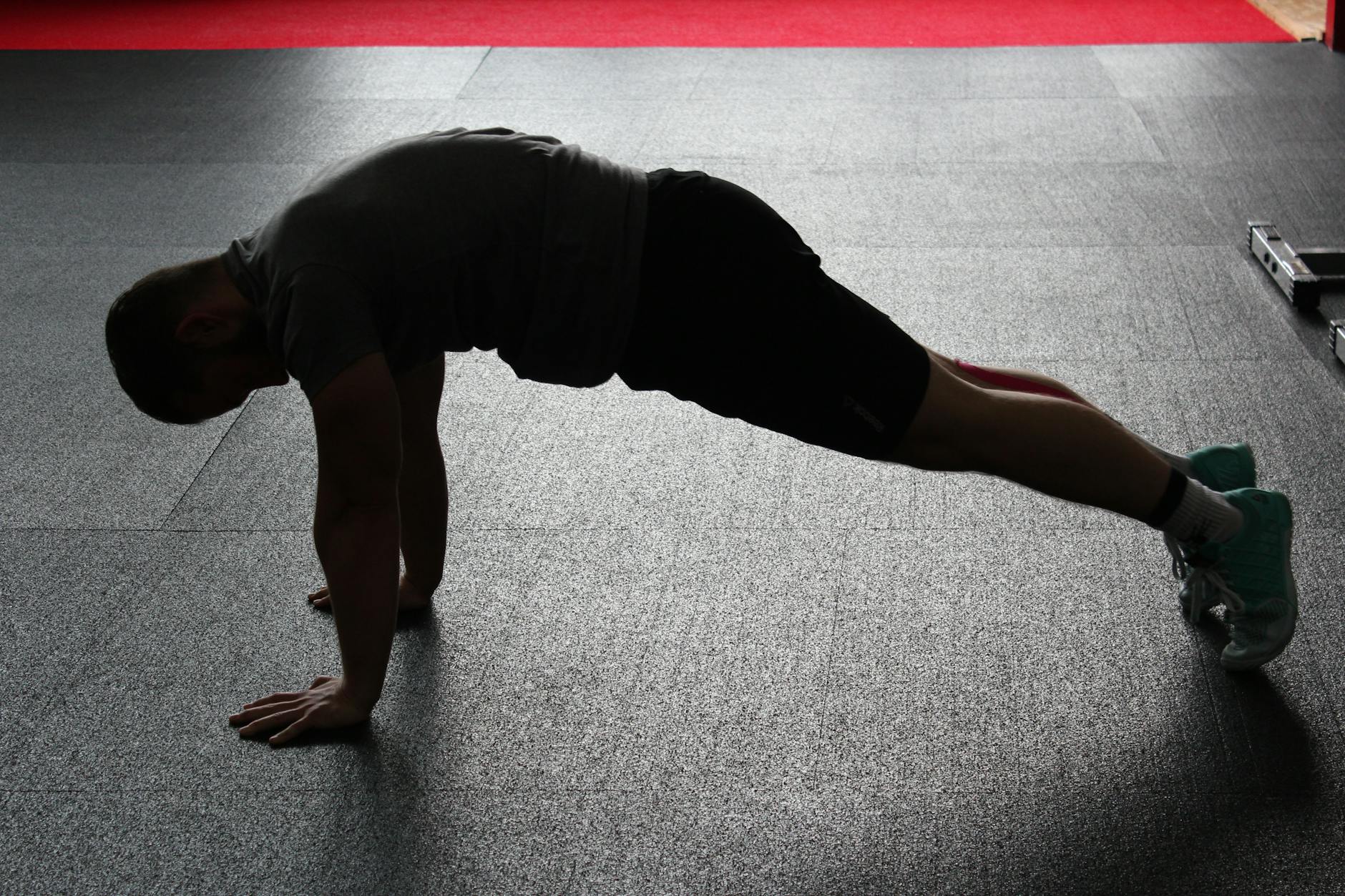
Unlike dynamic exercises, planks build isometric strength by holding a stable position, which translates directly to real-world stability when standing or walking. A front plank held for even 20-30 seconds engages the rectus abdominis, transverse abdominis, and erector spinae muscles simultaneously, creating a protective girdle around your spine.
Side planks add value by targeting the quadratus lumborum and obliques—muscles that stabilize your spine during twisting or side bending. The limitation here is that planks alone don’t address hip flexibility or spinal mobility, so they work best as part of a broader exercise routine. People with shoulder problems may find front planks uncomfortable, but side planks offer a safer alternative that builds similar core strength without shoulder stress.

Cat-Cow Stretches—Restoring Spinal Mobility and Disc Health
Cat-cow stretches (alternating between arching and rounding your spine on hands and knees) are essential because they move your spine through its full range of motion, which reduces stiffness and improves disc nutrition. Spinal discs don’t have blood vessels; they get nutrients through movement and pressure changes. People who sit for 8+ hours daily develop stiff, less resilient discs that are more prone to herniation.
Doing cat-cows for 2-3 minutes daily significantly improves flexibility within 2-3 weeks. The key distinction is speed: slow, controlled movements are therapeutic, while fast bouncing can strain ligaments and actually increase pain. Someone with severe disc bulges may need to do gentler, smaller ranges of motion rather than full arching, while someone with pure stiffness can emphasize fuller spinal extension.
Bridges and Glute Strengthening—Addressing the Weak Link in Modern Spines
Weak glute muscles are now recognized as one of the primary drivers of lower back pain, because when your largest hip muscles aren’t pulling their weight, your lower back and hamstrings overcompensate. Bridges and hip thrusts directly activate the gluteus maximus and medius, which stabilize your pelvis during walking and support your lower back. A sedentary person doing bridges just 3 times per week sees noticeable improvement in lower back pain and walking posture within 4 weeks.
The warning here is that many people do bridges with their hips too high or knees too wide, which shifts work away from the glutes back toward the lower back. Proper form requires feeling your glutes contract, not your lower back straining. If you have knee pain, glute bridges can feel uncomfortable, in which case sidestepping with a resistance band or clamshells (lying on your side and opening your top knee) work the glute medius without knee stress.

Walking and Low-Impact Cardio—The Underrated Spine Protector
Walking and swimming are the most spine-friendly cardiovascular exercises because they maintain spinal stability while building endurance and mobility. Walking strengthens leg muscles that support your spine, improves blood flow to spinal tissues, and activates postural muscles throughout your entire body. Swimming offers the additional benefit of unloading spinal compression since water buoyancy reduces stress on discs and joints.
Someone with severe osteoarthritis in the lumbar spine might switch from walking to water aerobics or swimming to reduce pain while maintaining fitness. High-impact activities like running or jumping can temporarily increase spine compression and pain in people with existing degeneration, though well-conditioned individuals with healthy spines often tolerate running fine. The recommendation from spine specialists is at least 30 minutes of low-impact cardio most days of the week, combined with the strengthening and flexibility work.
Combining These Exercises Into a Sustainable Routine
Doctors recommend doing all seven exercise categories within a weekly routine rather than focusing heavily on just one or two, because spine health requires strength, flexibility, and cardiovascular fitness working together. A practical weekly schedule might include: pelvic tilts and cat-cows daily (5-10 minutes), bird dogs and bridges 3 times per week (10 minutes), planks 3-4 times per week (adding 5 minutes), and walking or swimming 5 days per week (30 minutes).
Starting slowly prevents injury and burnout—many people injure themselves by doing too much too intensely, then stop exercising altogether. Research on long-term spine health shows that consistency matters far more than intensity; someone doing these exercises at 60% effort every single day gets better results than someone exercising at 100% effort twice per week then quitting. As you age, maintaining this routine becomes increasingly important because spinal discs lose water content, muscles naturally atrophy, and flexibility declines—but consistent exercise slows all three processes significantly.
Conclusion
The seven exercises doctors recommend—pelvic tilts, bird dogs, planks, cat-cow stretches, bridges, glute strengthening, and low-impact cardio—work together to address the core causes of spine deterioration: weak muscles, poor mobility, and deconditioning.
None of these exercises requires special equipment, a gym membership, or dangerous movements; most can be done at home in 45 minutes per week, broken into smaller sessions that fit around daily life. The next step is to start where you are physically, add one or two exercises this week, and gradually build toward a complete routine—consistency over the next 12 months will likely produce measurable improvements in pain, mobility, and overall quality of life that will protect your spine for decades to come.
Frequently Asked Questions
How long before I notice improvement in my back pain?
Most people notice some improvement in lower back pain within 2-4 weeks of consistent exercise, though significant functional improvements often take 6-8 weeks. Pain relief may be gradual rather than dramatic.
Can I do these exercises if I already have a disc bulge or herniation?
Yes, but you should start with gentler versions (smaller ranges of motion for cat-cows, bridges without full hip height, shorter planks) and stop any exercise that increases pain. Consult your physical therapist about which exercises are safe for your specific condition.
Should I do these exercises if I have no back pain—just as prevention?
Yes. Preventive exercise is much easier than rehabilitation after injury develops. Even people without symptoms benefit from doing these seven exercise categories to prevent future problems.
How often should I rest, or is daily exercise okay?
Most of these exercises can be done daily without rest days. If doing intensive strengthening (planks, bridges, glute work), you might rest 1-2 days per week, but gentle mobility work like cat-cows and pelvic tilts are safe every single day.
Will these exercises fix my posture at a desk?
These exercises improve your spinal support and mobility, which helps posture somewhat, but they work best when combined with ergonomic desk setup and regular position changes. No exercise fully compensates for 8 hours in a poor posture.