Stabilization exercises sits at the center of this dementia and brain health question.
Physical therapists use six core stabilization exercises to strengthen the muscles around the sacroiliac joint: clamshells, side-lying hip abduction, glute bridges, monster walks, quadruped hip extensions, and sidelying leg lifts. These exercises target the gluteus medius, hip external rotators, and deep core muscles that hold the SI joint in proper alignment, reducing pain and preventing compensatory movement patterns that can lead to injury. A 65-year-old woman with chronic lower back pain, for example, may find that six weeks of consistent SI joint stabilization work reduces her pain score from 7/10 to 3/10 and allows her to walk without the hip hiking that typically accompanies SI joint dysfunction. This article explores what SI joint dysfunction is, how these six exercises address it, proper form and progression, and how stabilization fits into a broader movement strategy for long-term joint health.
Table of Contents
- What Is SI Joint Dysfunction and Why Does Stabilization Matter?
- Muscle Groups and Movement Patterns That Stabilize the SI Joint
- Clamshells and Hip External Rotation—Targeting the Gluteus Medius
- Glute Bridges and Monster Walks—Building Functional Strength in Movement
- Quadruped Hip Extensions and Single-Leg Stance Progressions
- Sidelying Leg Lifts and Progressive Loading
- From Exercise to Daily Life—Translating Stability into Function
- Conclusion
- Frequently Asked Questions
What Is SI Joint Dysfunction and Why Does Stabilization Matter?
The sacroiliac joint connects your pelvis to your spine, transferring force between your lower body and trunk with every step you take. When the muscles around this joint weaken or become imbalanced, the joint can move excessively or get stuck, leading to localized pain, referred pain down the leg, or a sensation of the pelvis “slipping.” This dysfunction is particularly common in people with sedentary lifestyles, because prolonged sitting weakens the gluteus medius and deep stabilizers that normally lock the joint in place. Stabilization exercises work by reactivating and strengthening these neglected muscles, allowing them to provide dynamic support rather than asking ligaments to do all the work—a distinction that matters because ligaments can stretch but muscles can be retrained.
The reason physical therapists prescribe specific exercises rather than generic strengthening is that SI joint stability requires proper muscle coordination, not just strength. A person might have powerful glutes from running, for instance, but if those glutes are dominating while smaller hip rotators are quiet, the result is still poor SI joint control. The six exercises below were selected by the physical therapy profession because they isolate the stabilizer muscles at low resistance, allowing the nervous system to relearn proper recruitment patterns before adding load.
Muscle Groups and Movement Patterns That Stabilize the SI Joint
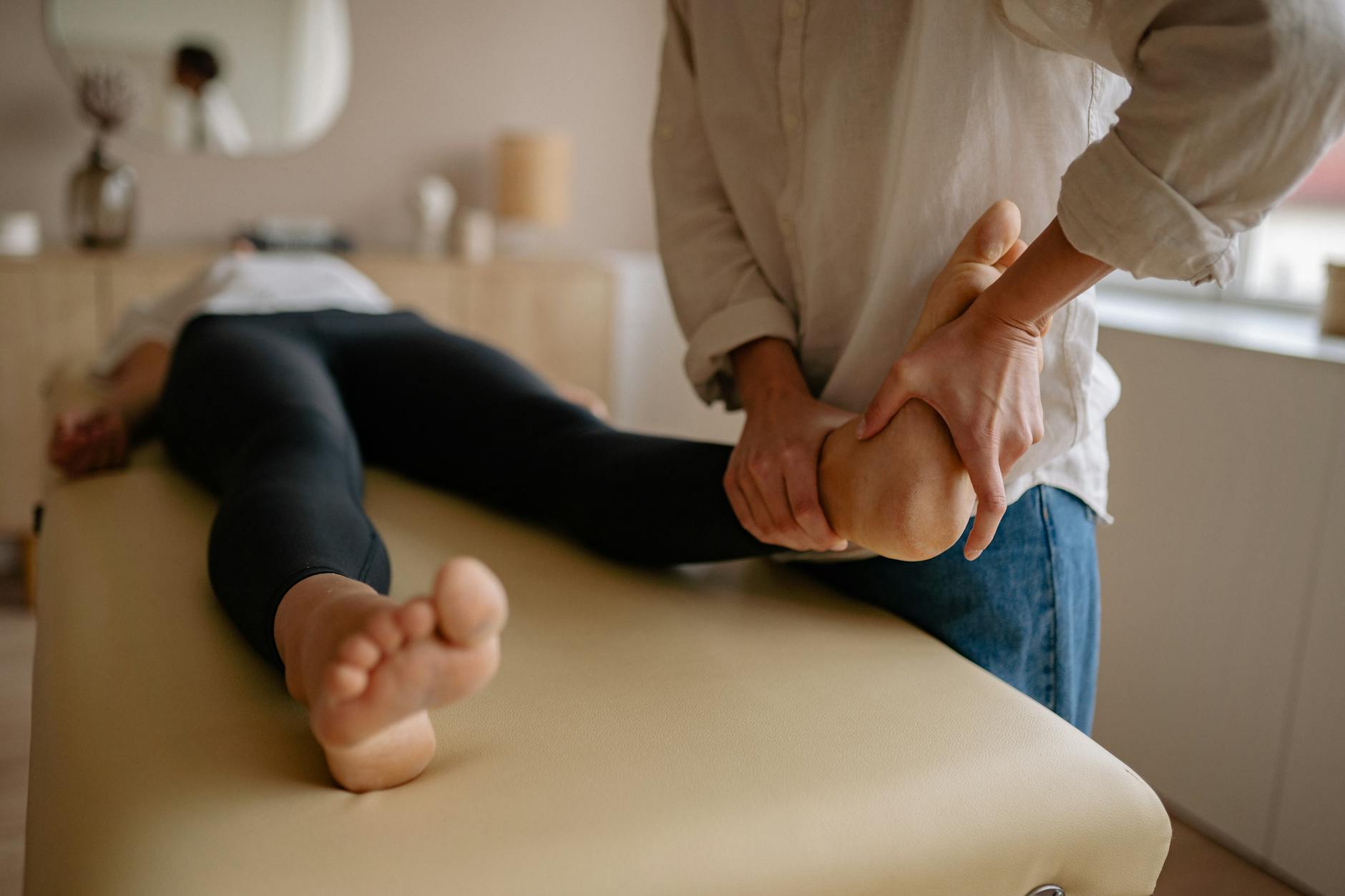
The sacroiliac joint is stabilized by a network of muscles rather than a single “SI joint muscle”—the gluteus medius, gluteus maximus, deep core muscles like the transversus abdominis, and the hip external rotators all contribute to keeping the joint aligned. Each of these muscles must activate at the right time and with the right amount of force. For instance, when you stand on one leg, your gluteus medius on the standing side needs to contract strongly to prevent your pelvis from dropping to the opposite side; if it doesn’t, your spine has to compensate with a side bend, creating stress at the SI joint.
The six stabilization exercises target these muscles in specific patterns that mirror real-world demands like standing, walking, and bending. One important limitation is that SI joint stability is not purely about strength—it also requires proprioceptive feedback and neural control. A person might complete all six exercises with perfect form but still move poorly during daily life if they haven’t trained their brain to access that stability during functional tasks. This is why physical therapists often include a progression phase where patients perform these exercises in more challenging positions or while doing other tasks, gradually bridging the gap between isolated exercise and real-world movement.
Clamshells and Hip External Rotation—Targeting the Gluteus Medius
The clamshell is performed by lying on your side with hips bent and knees together, then opening the top knee while keeping the feet touching—like opening a clamshell. This exercise isolates the gluteus medius and external rotators on the top side, muscles that are often completely inactive in people who sit most of the day. A common mistake is rotating from the lumbar spine instead of the hip, which means the SI joint doesn’t get the stabilizing benefit.
To verify you’re doing it correctly, place your hand on your low back; if you feel it moving, you’re hinging from the spine rather than the hip, and the exercise loses its purpose. Side-lying hip abduction is a variation where you keep the hips and legs straight and lift the top leg up toward the ceiling, engaging the gluteus medius in a different plane of motion. This exercise is gentler than the clamshell and is often the starting point for patients with severe pain. However, if pain worsens during this exercise, it may indicate that the SI joint itself is compressed or that another muscle group is overly tight, requiring assessment and possible modification before continuing.
Glute Bridges and Monster Walks—Building Functional Strength in Movement
The glute bridge requires lying on your back with knees bent and feet flat on the floor, then pressing through your heels to lift your hips toward the ceiling while squeezing your glutes at the top. This exercise activates the gluteus maximus and reinforces the glute-bridge pattern that should occur every time you stand up from sitting or walk upstairs. Many people have learned to use their lower back to lift their hips instead, which means the glutes stay quiet; the cue “squeeze your glutes” helps, but some people benefit from actually placing a hand on their glute to feel the muscle working.
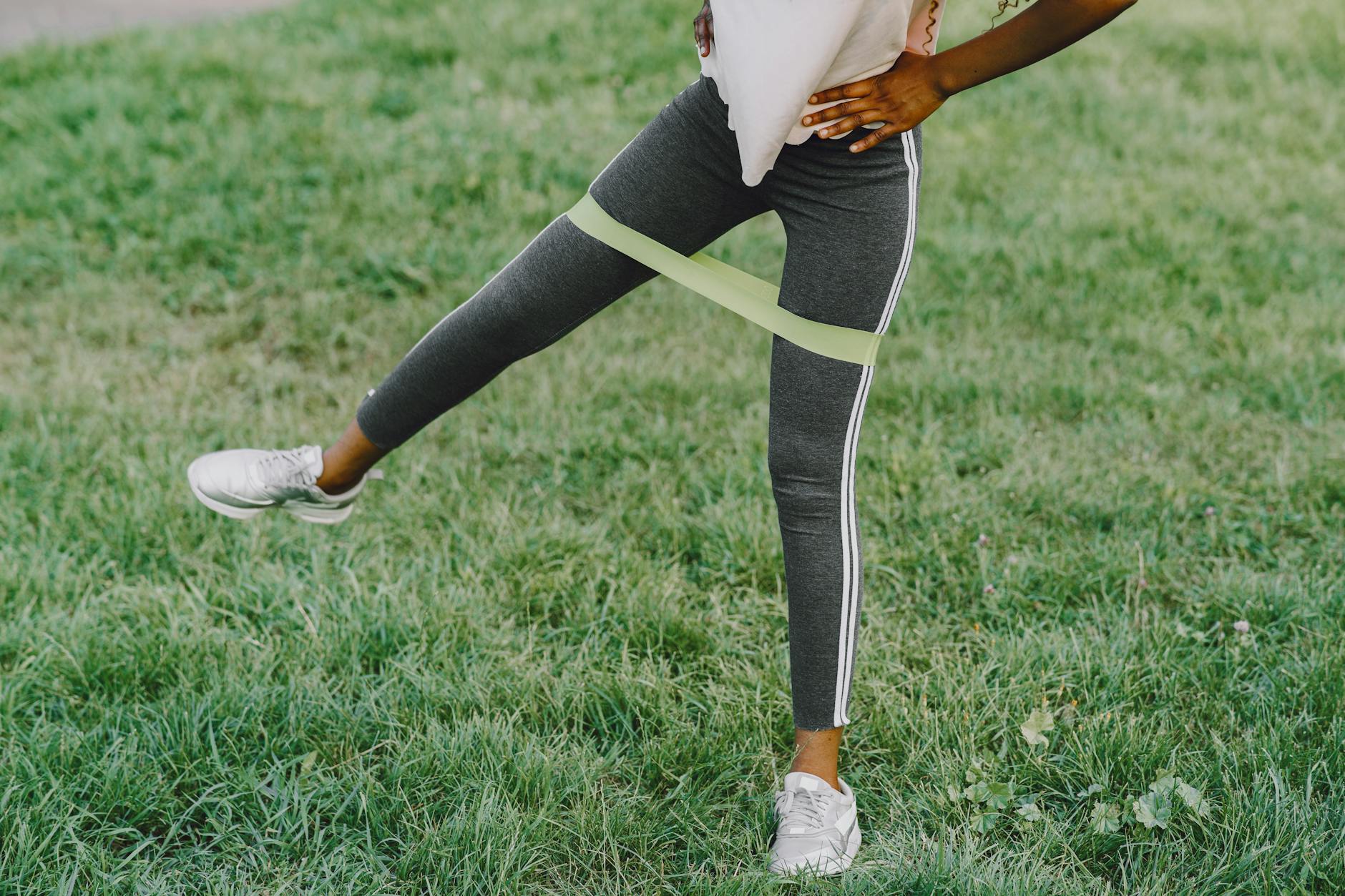
The bridge can be progressed by lifting one foot off the ground, which forces the bottom-side glute and stabilizers to work harder to keep the pelvis level. Monster walks involve standing and stepping forward, backward, or laterally while maintaining slight knee flexion and an engaged core—mimicking the movement patterns you use when walking down stairs or across uneven ground. The lateral monster walk is particularly valuable for SI joint stability because it forces the gluteus medius to resist the pelvis dropping to the unsupported side with each step. A comparison worth noting: bridges work the glutes in a lying position where spinal stability is easier to maintain, while monster walks demand stabilization while moving, making them a bridge between isolated exercise and functional activity.
Quadruped Hip Extensions and Single-Leg Stance Progressions
Quadruped hip extensions are performed on hands and knees, then lifting one leg behind you while keeping the pelvis level and the lower back neutral. This exercise activates the glutes and prevents the lumbar spine from extending to create momentum. The warning here is that many people immediately arch their low back as they lift their leg, which defeats the purpose and can cause pain; maintaining a neutral spine throughout is essential.
If you struggle with this, practice the movement without lifting the leg, focusing on feeling your glutes engage instead. As patients progress, physical therapists often introduce single-leg stance variations—standing on one leg while lifting the opposite knee forward or to the side, or standing on one leg while reaching the opposite hand toward the ground. These exercises demand simultaneous stability from the standing-side stabilizers while the moving side provides a perturbation. A limitation is that single-leg exercises are challenging and can cause falls in older adults or those with balance issues; progression to single-leg work should only occur once bilateral standing exercises are well-controlled.

Sidelying Leg Lifts and Progressive Loading
Sidelying leg lifts involve lying on your side with the top leg straight and lifting it toward the ceiling, then lowering without touching the bottom leg. This exercise targets the hip abductors and external rotators in a lengthened position and can be performed with eyes open or closed (closed eyes increases the proprioceptive demand).
Many people perform this exercise too quickly, using momentum instead of muscle control; slowing the movement and pausing at the top ensures the glutes are doing the work rather than gravity and inertia. As these six basic exercises become easier, progression typically involves adding resistance (a band around the legs or a small weight), changing positions (standing instead of lying down), or combining exercises with balance challenges. For instance, a progressed clamshell might involve standing on one leg and performing a small clamshell movement, which demands vastly more stability than the lying version.
From Exercise to Daily Life—Translating Stability into Function
Once a patient has built capacity with the six core exercises, physical therapists shift focus toward using that stability during real-world activities like walking, stair climbing, and bending. This transition is critical because there is often a gap between performing a perfect glute bridge in isolation and actually using the glutes while walking to the mailbox.
Functional training might involve walking with a resistance band around the thighs while cueing glute engagement, or practicing squatting mechanics with the new stability patterns in place. Long-term SI joint health depends on maintaining these stabilization patterns during daily life, which means continuing some version of these exercises indefinitely—not necessarily the exact six exercises forever, but movement patterns that activate the same muscles. Many people who recover from SI joint pain and stop exercising find that their symptoms return within months, suggesting that the underlying muscular imbalance hasn’t truly resolved, only been temporarily managed.
Conclusion
The six stabilization exercises used by physical therapists—clamshells, side-lying hip abduction, glute bridges, monster walks, quadruped hip extensions, and sidelying leg lifts—are not treatments for SI joint dysfunction so much as tools for rebuilding the muscular control that has been lost. These exercises work because they address the root cause: weak or uncoordinated stabilizer muscles that are unable to hold the joint in proper alignment. Progression from these basic exercises to functional movement, combined with awareness of proper movement patterns during daily life, creates lasting improvement rather than temporary symptom relief.
If you’re experiencing SI joint pain or suspect you have SI joint dysfunction, working with a physical therapist to assess your specific movement patterns is the first step. They can identify which of these exercises is most appropriate for your starting point and design a progression that moves you from isolated strength toward coordinated, functional stability. Consistency matters more than intensity; six weeks of three-times-weekly practice with proper form typically produces measurable improvement in pain and movement quality.
Frequently Asked Questions
How long does it take to feel better from SI joint stabilization exercises?
Many people experience reduced pain within two to three weeks of consistent exercise, but meaningful improvement in stability and functional movement typically takes six to eight weeks. The timeline depends on how weak your stabilizers are and how consistently you perform the exercises.
Can SI joint dysfunction go away on its own without exercise?
It’s possible for acute SI joint pain to resolve with rest, but the underlying muscular imbalance often remains, making recurrence likely. Stabilization exercises address the cause rather than just managing symptoms.
Are these exercises safe for people with a history of back pain?
These exercises are generally low-risk because they involve minimal load and controlled movement, but they should be modified or avoided if they increase pain. A physical therapist should assess your specific situation and rule out other causes of pain before beginning.
Can I do these exercises if I have osteoarthritis in my SI joint?
Mild osteoarthritis may actually benefit from stabilization exercise because stronger muscles reduce the stress on the joint itself. However, severe arthritis or inflammatory conditions may require different management; a healthcare provider should guide progression.
How do I know if I’m using the right muscles?
Palpating the muscle (placing your hand on it) while exercising can help you feel whether it’s active. Working with a physical therapist for a few sessions to establish proper form ensures you’re not compensating with other muscles.
Do I need to continue these exercises forever?
You likely need to continue some form of these exercises long-term, though not necessarily the exact same exercises. They can become part of your regular fitness routine, performed weekly or biweekly as maintenance.
You Might Also Like
- 10 Exercises Physical Therapists Recommend for Spine Stability
- 6 Exercises Used in Physical Therapy for SI Joint Pain
- 5 Exercises Doctors Recommend for SI Joint Stability
For more, see CDC — Alzheimer’s and Dementia.