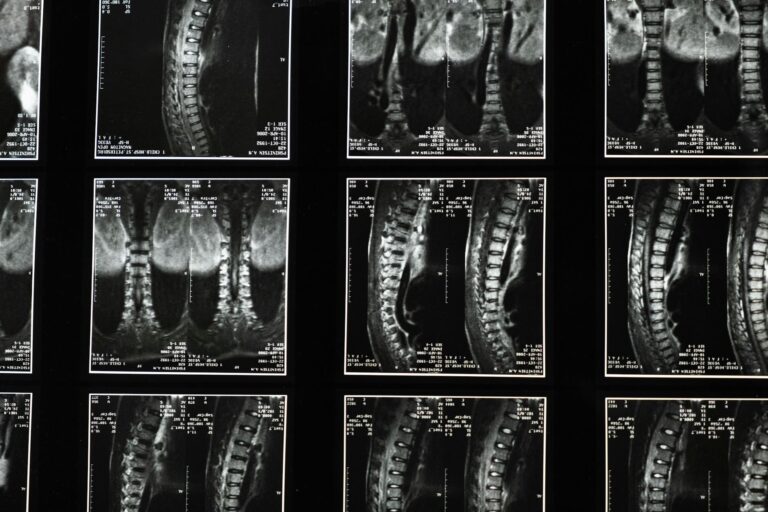
A herniated disc occurs when the soft inner material of a spinal disc pushes through its outer layer, potentially compressing nerves in the spine. While common in the general population, this condition holds particular relevance for individuals focused on dementia and brain health, as chronic pain and reduced mobility from a worsening herniated disc can accelerate cognitive decline.
Persistent pain triggers stress hormones like cortisol, which over time impair hippocampal function—the brain region critical for memory and learning, already vulnerable in early dementia stages. Worsening disc issues also limit physical activity, a proven safeguard against neurodegeneration.
Studies link sedentary lifestyles induced by back pain to faster amyloid plaque buildup and reduced cerebral blood flow, exacerbating dementia risk. This article outlines six key signs your herniated disc may be deteriorating, empowering you to act early and protect brain health. Readers will learn to identify escalating symptoms like intensified pain and neurological changes, understand their brain implications, and apply practical steps for intervention, all grounded in recognizing how spinal health underpins cognitive vitality.
Table of Contents
- Is Your Back Pain Becoming More Intense and Frequent?
- Are You Experiencing Worsening Numbness or Tingling?
- Is Muscle Weakness Setting In?
- Has Your Mobility and Daily Function Declined?
- Are Emergency Neurological Red Flags Appearing?
- How to Apply This
- Expert Tips
- Conclusion
- Frequently Asked Questions
Is Your Back Pain Becoming More Intense and Frequent?
Intensified back or neck pain that persists despite rest or over-the-counter remedies signals a herniated disc pressing harder on surrounding tissues and nerves. This escalation often radiates as sciatica—sharp pain down the leg or arm—disrupting sleep and daily function, which in turn heightens chronic stress linked to brain fog and memory lapses in dementia-prone individuals.
For brain health, unrelenting pain elevates inflammation markers like C-reactive protein, which cross the blood-brain barrier and promote neuroinflammation, a precursor to Alzheimer's pathology. If pain flares with minimal movement, such as turning your head or bending, it indicates progression beyond initial irritation. Early detection here prevents a cycle where immobility reduces brain-derived neurotrophic factor (BDNF), essential for neuronal repair and dementia prevention.
- Pain no longer responds to previous remedies, lasting hours or days
- Radiating shocks intensify, mimicking electrical pulses along nerve paths
- Frequency increases, occurring daily rather than sporadically
Are You Experiencing Worsening Numbness or Tingling?
Numbness and pins-and-needles sensations spreading from the back into limbs arise when disc material irritates spinal nerve roots, a hallmark of herniation progression. These neurological symptoms intensify as compression deepens, potentially affecting dexterity in hands or feet, which complicates brain-training exercises vital for dementia management.
From a brain health perspective, chronic nerve irritation disrupts sensory feedback loops to the somatosensory cortex, fostering compensatory brain changes that strain cognitive reserves already diminished in dementia. Tingling that worsens at night or with position changes demands attention to avert permanent nerve damage.
- Sensations extend further down limbs, reaching fingers or toes
- Accompanied by heightened skin sensitivity or burning
Is Muscle Weakness Setting In?
Progressive muscle weakness in arms, legs, or grip strength emerges as prolonged nerve compression starves muscles of signals, turning routine tasks like walking or lifting into struggles. This red flag indicates the disc is not stabilizing, risking falls that cause head trauma—a known dementia accelerator via traumatic brain injury pathways.
Weakness correlates with reduced physical engagement, lowering cerebral oxygenation and accelerating gray matter atrophy in dementia-vulnerable brains. Difficulty rising from a chair or foot drop signals urgent deterioration.
- Legs feel heavy, impairing balance and increasing fall risk
- Arm or hand strength fades, hindering fine motor skills for cognitive activities

Has Your Mobility and Daily Function Declined?
Changes in gait, posture, or range of motion reflect subconscious adaptations to avoid pain, but worsening herniation amplifies these, leading to stiffness and reduced endurance. Everyday actions like tying shoes or prolonged sitting become arduous, curtailing exercise that boosts hippocampal volume and combats dementia progression.
This functional decline fosters isolation and depression, both potent dementia risk factors via altered serotonin signaling and reduced neuroplasticity. Visible spinal curvature or atrophy signals structural compromise tied to disuse.
Are Emergency Neurological Red Flags Appearing?
Loss of bladder or bowel control, or saddle-area numbness, denotes cauda equina syndrome—a medical emergency from severe disc compression on spinal nerve bundles. Progressive weakness unresponsive to rest also warrants immediate care to prevent irreversible deficits.
For brain health, such crises spike systemic inflammation, impairing the glymphatic system that clears brain toxins overnight, thus hastening dementia. Intense, unrelenting radicular pain further compromises mobility, starving the brain of vital activity-induced protection.
How to Apply This
- Track symptoms daily in a journal, noting pain intensity, location, and triggers to spot patterns early.
- Consult a spine specialist if two or more signs appear, requesting MRI to confirm progression.
- Incorporate low-impact brain-boosting activities like walking or yoga, adapted to your limits, to maintain mobility.
- Prioritize anti-inflammatory nutrition—omega-3s and antioxidants—to ease disc pressure and support neural health.
Expert Tips
- Tip 1: Use heat or ice alternately for 15 minutes to manage flare-ups without masking progression.
- Tip 2: Practice posture awareness during desk work to reduce disc load and preserve cognitive focus.
- Tip 3: Engage in mindfulness meditation to lower pain perception and cortisol, safeguarding memory centers.
- Tip 4: Schedule regular neurological check-ins if dementia risks exist, as spine health directly influences brain resilience.
Conclusion
Recognizing these six signs—intensifying pain, worsening numbness, muscle weakness, mobility loss, and emergency red flags—enables timely intervention to halt herniated disc deterioration.
By addressing them promptly, you not only alleviate spinal strain but also protect brain health from the cascading effects of pain and inactivity that fuel dementia. Prioritizing spine care aligns with dementia prevention strategies, fostering sustained mobility, reduced inflammation, and enhanced cognitive function for long-term brain vitality.
Frequently Asked Questions
How quickly can a herniated disc worsen?
Progression varies, but red flags like escalating pain or weakness can emerge within days to weeks if untreated, per clinical observations.
Can herniated disc symptoms mimic dementia signs?
Yes, pain-induced brain fog and mobility issues can overlap with early cognitive decline, underscoring the need for spinal evaluation first.
Is surgery always needed for worsening signs?
No, most respond to conservative care like therapy, but emergencies like bowel loss require immediate surgery.
How does exercise help both disc and brain health?
Gentle movement reduces disc pressure and boosts BDNF for neuroprotection, countering dementia while aiding recovery.