The six exercises most commonly used in physical therapy to improve pelvic stability—Kegel exercises, pelvic tilts, bird dog exercises, diaphragmatic breathing, reverse clamshells, and transverse abdominal activation—work together to strengthen the muscles that support your pelvis, lower back, and core. These exercises address the root cause of many pelvic health concerns by rebuilding the strength and coordination of muscles that may have become weak or dysfunctional from childbirth, aging, prolonged sitting, or other factors. For someone experiencing urinary incontinence, pelvic pain, or feelings of instability, these targeted movements can mean the difference between managing symptoms and significantly improving quality of life.
Physical therapy with a pelvic health specialist is now considered the standard first-line treatment for pelvic health conditions, rather than jumping straight to medications or surgery. What makes this approach so effective is that it doesn’t just address the symptoms—it restores the actual function of the muscles and connective tissue involved. This article walks you through each of the six key exercises, explains how they work, what research shows about their effectiveness, and how to approach them safely and consistently.
Table of Contents
- Which Six Exercises Strengthen Pelvic Stability Most Effectively?
- How Breathing and Coordination Strengthen Your Pelvic Foundation
- What Does Research Show About Effectiveness and Results?
- Building Your Own Pelvic Stability Exercise Program
- When to Seek Professional Help and Advanced Modifications
- How Lifestyle Supports Your Pelvic Stability Gains
- Why Pelvic Stability Extends Beyond Symptom Relief
- Conclusion
Which Six Exercises Strengthen Pelvic Stability Most Effectively?
The six primary exercises recommended by physical therapists cover different angles of pelvic stability: direct muscle engagement, stabilization through movement, and breathing coordination. Kegel exercises form the foundation by directly targeting the pelvic floor muscles themselves—the layered muscles that sit at the base of your pelvis and support your bladder, bowel, and reproductive organs. To perform a Kegel, you contract and lift these muscles using the same motion you would use to stop the flow of urine mid-stream, then hold for 5 to 10 seconds before releasing completely. Many people benefit from alternating between quick, rhythmic contractions and longer sustained holds, which engage slightly different muscle fibers and build both strength and endurance. However, a common mistake is tensing the wrong muscles—your buttocks, thighs, or abs should stay relaxed, and you should feel a gentle lift deep inside your pelvis rather than a squeezing sensation. Pelvic tilts and transverse abdominal activation work the muscles surrounding and supporting the pelvis, particularly the lower back and deep abdominal muscles that are often weakened by modern sitting postures.
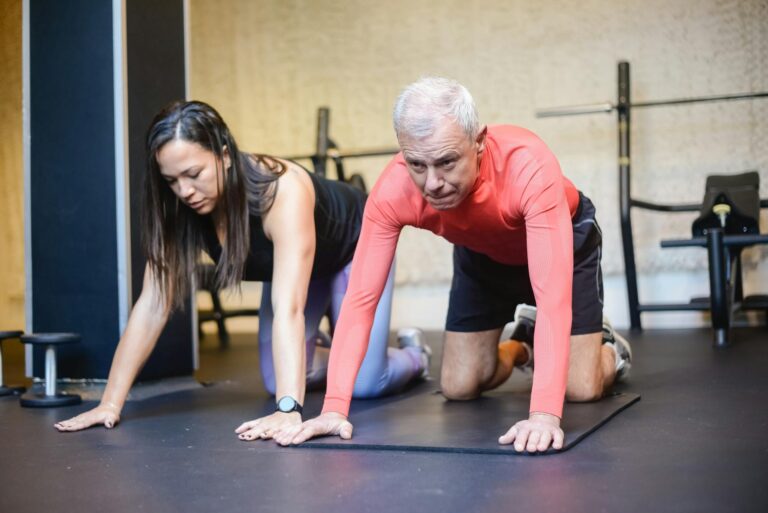
In a pelvic tilt, you lie on your back with your knees bent and feet flat on the floor, then gently press your lower back toward the floor by engaging your abs and tilting your pelvis slightly upward. The transverse abdominal activation uses the same starting position but involves exhaling while drawing your belly button slowly toward your spine, activating the deepest layer of your abdominal muscles—the ones that work like a corset to support and stabilize your entire core and pelvis. These exercises might feel subtle compared to more vigorous workouts, but their effects on spinal stability and pelvic control are substantial. The bird dog exercise and reverse clamshell add dynamic movement and hip stability to the mix. For the bird dog, start on all fours with your hands under your shoulders and knees under your hips, then simultaneously extend your right arm forward and left leg back, maintaining a neutral spine and level pelvis before returning to center and switching sides. The reverse clamshell targets your glutes and outer hip muscles by lying on your side with knees bent, keeping your feet together, and lifting your top knee toward the ceiling. Both of these exercises reinforce the coordination between your core, hips, and pelvis—essential for everything from walking and climbing stairs to sitting and standing without strain.

How Breathing and Coordination Strengthen Your Pelvic Foundation
Diaphragmatic breathing is often the most overlooked yet crucial component of pelvic stability work, and it functions fundamentally differently from the exercises that emphasize muscle contraction. Instead of tensing specific muscles, diaphragmatic breathing (also called belly breathing) involves inhaling deeply so that your belly expands and your diaphragm—the large muscle beneath your lungs—moves downward, then exhaling slowly as your belly gently draws inward. This breathing pattern improves coordination between your diaphragm and pelvic floor muscles, which must work together throughout the day as you breathe, move, and exert yourself. When your diaphragm contracts smoothly during inhalation, it creates gentle pressure that your pelvic floor should accommodate with a slight relaxation; on exhalation, the pelvic floor can then engage more effectively.
This interplay increases both muscle strength and flexibility while simultaneously building body awareness—understanding what your pelvis is actually doing. Research has shown that combining breathing exercises with targeted pelvic floor and stabilization exercises produces significantly better outcomes than either approach alone. Studies found that patients who used stabilization exercises combined with pelvic floor muscle exercises experienced meaningful improvements in pain intensity, functional disability, and trunk endurance—measures that directly reflect how well someone can function in daily life. However, if you have a history of chronic tension, breathing problems, or significant pelvic pain, attempting diaphragmatic breathing without guidance from a physical therapist can sometimes exacerbate symptoms by increasing intra-abdominal pressure incorrectly. This is one reason why working with a pelvic health specialist, at least initially, helps you establish the correct patterns before practicing independently at home.
What Does Research Show About Effectiveness and Results?
The research supporting these exercises is encouraging and specific. Pelvic floor physical therapy has been shown to improve or even cure symptoms of urinary incontinence, pelvic organ prolapse (where pelvic organs drop lower in the pelvis due to weakened support), fecal incontinence, and postpartum pelvic floor dysfunction. For pelvic organ prolapse specifically, studies demonstrated that both stabilization exercises and targeted pelvic floor exercises increased muscle strength and reduced the severity of prolapse—in some cases allowing people to avoid or delay surgery. The improvements weren’t marginal either; patients reported both objective changes measured by specialists and subjective improvements in how they felt during daily activities like exercise, lifting, or long car rides.
These results don’t appear overnight, which is important to understand when starting a pelvic stability program. Most research showing meaningful improvements involved people who performed exercises consistently for weeks or months. The current standard recommendation is to perform pelvic stability exercises 2 to 3 times per week for optimal results—not daily unless a physical therapist specifically recommends it for your situation. At the same time, overall fitness matters; current guidelines suggest 30 minutes of aerobic activity 5 days per week plus resistance training 2 or more days per week, with pelvic stability work fitting into that broader exercise plan. Someone might do their dedicated pelvic floor exercises on Monday, Wednesday, and Friday, for example, while incorporating other forms of activity throughout the week.

Building Your Own Pelvic Stability Exercise Program
Starting a pelvic stability program differs significantly depending on whether you’re doing this preventatively to maintain health or therapeutically to address existing pelvic dysfunction. If you’re starting preventatively—perhaps because you’re postpartum, approaching or in menopause, or simply want to maintain pelvic health as you age—you might begin with basic Kegel exercises and pelvic tilts, gradually adding bird dog and reverse clamshells as you become comfortable. If you’re addressing a specific problem like incontinence or pelvic pain, working with a physical therapist who specializes in pelvic health is strongly recommended, at least for an initial assessment and instruction on proper technique. This isn’t just good practice—it’s now considered the standard of care. A pelvic health specialist can screen for conditions that might require modification, teach you to engage the correct muscles (many people unknowingly activate their glutes or deep abs instead of their pelvic floor), and monitor your progress to ensure you’re improving.
At home, consistency matters more than intensity. Performing your exercises 2 to 3 times per week on a schedule—say Monday, Wednesday, Friday—works better than doing them sporadically or trying to do them daily and then skipping days. Each session might involve 10 to 15 minutes of focused work, though this varies based on your specific program. Keep a simple log of which exercises you did and any changes you notice—less leakage during exercise, better awareness of your pelvic muscles, improved ability to hold urine or stool, or reduced pelvic pain. These subjective markers can be as valuable as formal assessments in tracking your progress and staying motivated.
When to Seek Professional Help and Advanced Modifications
While many people successfully perform pelvic stability exercises independently after receiving instruction, certain situations call for professional guidance. If you’re experiencing severe pelvic pain, you have a history of pelvic surgery, you’re recovering from childbirth and unsure about your pelvic floor status, or you’re not seeing improvement after 4 to 6 weeks of consistent home exercise, a physical therapist can assess what’s wrong and adjust your approach. Additionally, if you have a tendency to over-tense your muscles or hold your breath during exercise, professional guidance helps retrain those patterns—sometimes “more” is the wrong answer, and sometimes the issue is holding muscles too tightly rather than not strongly enough. Pelvic dysfunction can involve both weakness and excessive tension, and the treatment differs between the two. Beyond standard exercises, some people benefit from supplemental modalities used under professional supervision.
Biofeedback devices give you real-time information about what your pelvic muscles are doing, helping you understand and refine your muscle engagement. Electrostimulation uses gentle electrical pulses to activate pelvic floor muscles, particularly helpful for people who struggle to feel or control these muscles voluntarily. Vaginal weighted cones, which you hold in place using pelvic floor muscle contractions, provide progressive resistance training as you work up to heavier weights. These tools can significantly enhance your results when combined with exercise, though they work best with proper instruction and monitoring. The warning here is that these modalities should enhance a solid exercise foundation, not replace it.

How Lifestyle Supports Your Pelvic Stability Gains
Your pelvic stability progress depends not just on dedicated exercises but on how you move and position yourself throughout your day. Chronic sitting, particularly in modern office chairs that tilt the pelvis backward, can weaken and lengthen pelvic floor muscles over time. If you sit for most of your day, taking brief standing or walking breaks every hour, adjusting your chair to support a neutral spine, and being mindful of your posture helps maintain the stability you’re building through exercise. Similarly, the way you lift, strain on the toilet, or position yourself during physical activity all affect your pelvic floor—and physical therapists often give guidance on these daily mechanics as part of comprehensive pelvic health treatment.
Hydration, dietary fiber, and managing constipation also matter for pelvic stability. Straining hard and repeatedly to have a bowel movement creates excessive downward pressure on the pelvic floor and can contribute to prolapse or dysfunction. Adequate water intake and fiber help maintain regular, easy bowel movements, reducing this strain. For someone in a postpartum period or recovering from pelvic surgery, these lifestyle factors become especially important because any additional stress on healing tissues can delay recovery or undermine your exercise progress.
Why Pelvic Stability Extends Beyond Symptom Relief
Pelvic stability isn’t just about preventing or treating incontinence and pain—it’s foundational to how your entire body moves and functions. A stable pelvis allows your spine to align properly, your hips to move freely, and your core to support you efficiently during everything from daily activities to exercise and sport. As people age, falls become a major health concern, and pelvic instability—often combined with general weakness—increases fall risk significantly.
Someone with strong, coordinated pelvic muscles and core has better balance, safer movement patterns, and more confidence in their body, all of which reduce injury risk and support long-term independence. Looking forward, as pelvic health becomes better understood and more integrated into standard medical care, physical therapy for pelvic conditions is increasingly becoming the first choice rather than a last resort. This shift is important because it recognizes that many people can avoid surgery, manage medications more effectively, or prevent problems entirely through targeted exercise and expert guidance. If you’re considering starting pelvic stability work, whether to address an existing concern or maintain long-term health, the research strongly supports making it part of your regular fitness routine.
Conclusion
The six exercises most commonly recommended in pelvic physical therapy—Kegel exercises, pelvic tilts, bird dog exercises, diaphragmatic breathing, reverse clamshells, and transverse abdominal activation—form a comprehensive approach to rebuilding pelvic strength, stability, and function. These exercises work by addressing not just individual muscle groups but the coordination and breathing patterns that underlie pelvic health. Research shows they can significantly improve or resolve urinary incontinence, pelvic organ prolapse, pelvic pain, and other pelvic floor dysfunction when performed consistently 2 to 3 times per week as part of a broader fitness plan.
If you’re starting this journey, consider beginning with a physical therapist who specializes in pelvic health, particularly if you’re addressing a specific concern rather than exercising preventatively. Once you’ve learned proper technique and built confidence in your ability to engage the right muscles, you can maintain your progress with home-based exercise. Pelvic stability is an investment in your present comfort and your future mobility and independence—it’s worth the time and attention.