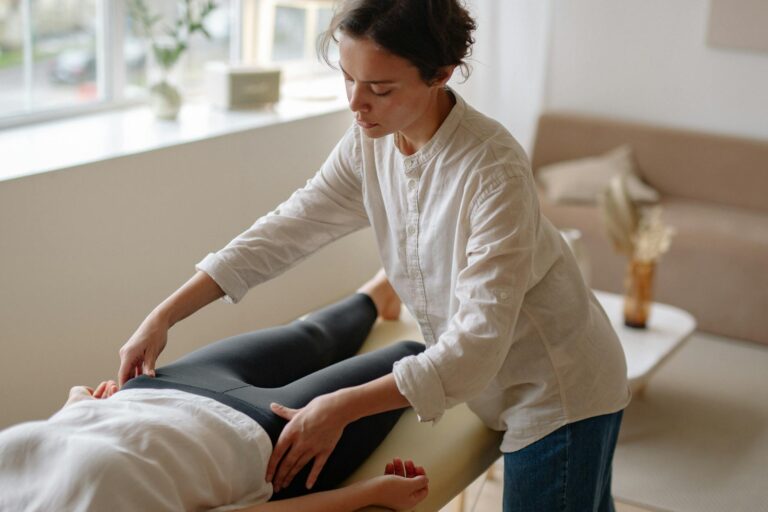
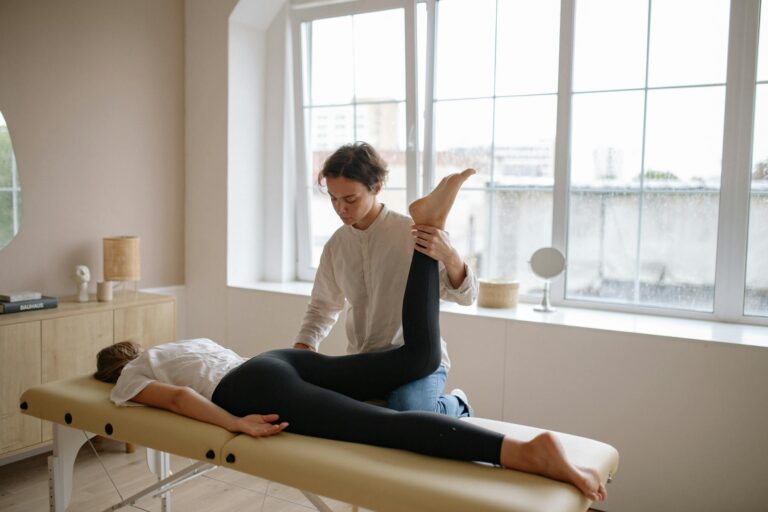
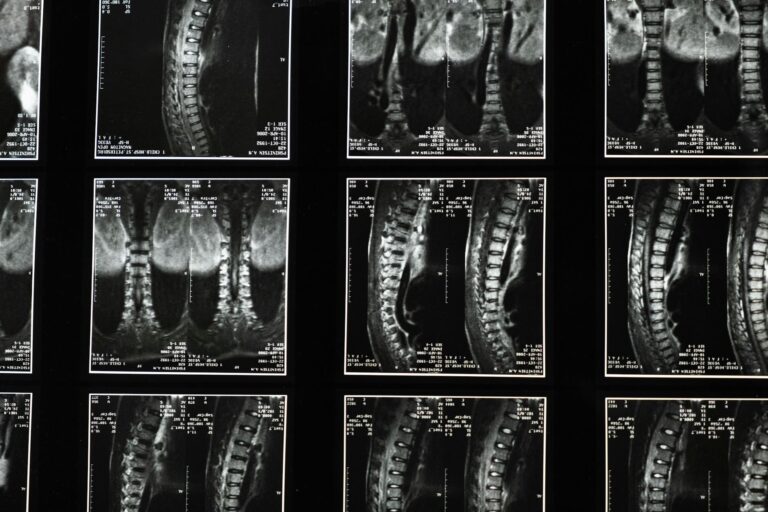
A stable spine is crucial for individuals navigating dementia and brain health challenges, as it supports overall mobility and reduces fall risks that can accelerate cognitive decline and injury. Poor spinal stability often leads to chronic back pain, limiting physical activity essential for maintaining neuroplasticity and cerebral blood flow.
Doctors emphasize targeted exercises to fortify the core and surrounding muscles, fostering resilience against posture deterioration common in dementia progression. In this article, readers will discover six doctor-recommended exercises proven to enhance spine stability, drawn from spine biomechanics experts like Dr.
Stuart McGill and clinicians from Harvard Health and orthopedic specialists. You'll learn precise techniques, progressions, and brain health connections, such as how balanced movement preserves hippocampal volume and executive function. Structured for easy integration into daily routines, this guide empowers safer, more active lifestyles amid dementia care.
Table of Contents
- What Is Spine Stability and Why Does It Matter for Brain Health?
- The Big Three Exercises from Spine Expert Dr. Stuart McGill
- Complementary Core Builders for Everyday Stability
- Dynamic Stabilizers and Progressions for Advanced Control
- Integrating Stability with Gentle Mobility for Dementia Care
- How to Apply This
- Expert Tips
- Conclusion
- Frequently Asked Questions
What Is Spine Stability and Why Does It Matter for Brain Health?
Spine stability refers to the coordinated activation of core muscles that maintain neutral spinal alignment during movement, preventing excessive stress on vertebrae and discs. Harvard Health describes it as the trunk working "like a world-class symphony," where imbalance in one area disrupts the whole structure.
For dementia patients, this stability is vital, as it counters sarcopenia and kyphosis that impair balance and increase hippocampal stress from falls. Research links spinal health to brain function: stable posture enhances proprioception, feeding back to cerebellar and frontal lobe areas affected early in dementia.
Exercises building this stability improve gait and reduce neuroinflammatory responses from pain. Clinicians like Dr. Ghalambor note these moves support spinal alignment, indirectly safeguarding cognitive reserves by enabling consistent exercise.
- Fall Prevention: Stable spines reduce tumble risks by 30-50% in older adults, preserving independence and brain health.
- Pain Reduction: Targets deep stabilizers to alleviate chronic discomfort, freeing energy for mental tasks.
- Neuroprotection: Promotes blood flow to brain regions via upright posture, slowing dementia markers.
The Big Three Exercises from Spine Expert Dr. Stuart McGill
Dr. Stuart McGill's "big three"—curl-up, side plank, and bird-dog—are gold standards for spine stability, engaging multifidus, transversus abdominis, and obliques without spinal shear.
Recommended by Harvard's physical therapists, perform in a pyramid: 5 reps each, then 3, then 1, holding 10 seconds per rep. These low-load moves build endurance safely for dementia patients prone to fatigue.
Start supine for curl-up: elbows under shoulders, lift head and shoulders slightly while bracing abs, avoiding full sit-ups. Side plank from knees: align hips in a straight line. Bird-dog on all fours: extend opposite arm and leg parallel to floor. These foster kinesthetic awareness, crucial for brain-body signaling in cognitive decline.
- Curl-Up: Strengthens anterior core; hold 10 seconds to mimic symphony-like trunk rhythm.
- Side Plank: Bolsters lateral stability; progress from knees to protect fragile spines.
Complementary Core Builders for Everyday Stability
Bridges and planks extend the big three by activating glutes and full-core chains, as endorsed by back doctors for lower back reinforcement and alignment. Bridges lift hips to form a shoulder-to-knee line, while planks hold forearm position with neutral spine. For brain health, these enhance vestibular input, supporting spatial memory often impaired in dementia.
Pelvic tilts initiate control: supine with knees bent, gently rock pelvis to press low back into floor, building mechanoreceptor feedback akin to hand fine motor skills. Progress to marching or clamshells in side-lying, maintaining brace. Orthopedic protocols stress neutral positioning to avoid pain, preserving mobility for dementia management.
- Bridges: Reinforces glutes and lumbar extensors; hold 5-10 seconds for endurance.
- Planks: Comprehensive core engagement; start with 10-second holds on knees.

Dynamic Stabilizers and Progressions for Advanced Control
Bird-dog variations and cat-cow stretches add dynamic elements, teaching stability under limb movement—a key for real-world balance in dementia. From all fours, extend arm and leg while keeping hips level; cat-cow alternates arching and rounding to mobilize without strain. Doctors recommend 5-10 reps, emphasizing slow control to heighten proprioceptive input to the brain.
Advance with wall sits or lunges from kneeling: slide down wall to 90 degrees or lunge forward at hips, bracing abs. These build lower body endurance supporting spinal load, reducing compensatory patterns that exacerbate brain fog from pain. Always prioritize pain-free ranges, progressing from supine to standing as control improves.
Integrating Stability with Gentle Mobility for Dementia Care
Knee-to-chest pulls and trunk rotations introduce flexibility alongside strength, drawing from Mayo Clinic and AAOS protocols. Supine, hug one knee while pressing spine flat, or let bent knees fall side-to-side with shoulders grounded.
These alleviate tightness, improving cerebral oxygenation via better posture. For dementia-specific adaptation, pair with tai chi principles: slow, mindful reps enhance executive function and reduce agitation. Petersen PT advises starting with pelvic tilts for awareness, adding extremity marches to simulate daily tasks like walking, fortifying neural pathways against decline.
How to Apply This
- Assess baseline with a physical therapist, focusing on pain-free neutral spine.
- Warm up supine with 10 pelvic tilts; perform big three pyramid daily, 10-15 minutes.
- Progress weekly: add bridges/planks after mastering holds; track balance improvements.
- Integrate into dementia routines—chair versions for seated days; monitor falls quarterly.
Expert Tips
- Tip 1: Brace abs first in every move, like drawing belly button to spine, for true stability.
- Tip 2: Breathe steadily—exhale on effort to avoid intra-abdominal pressure spikes.
- Tip 3: Use mirrors for form checks; kinesthetic cues protect aging brains.
- Tip 4: Stop if pain arises; consult PT for dementia-tailored modifications.
Conclusion
Incorporating these six exercises—curl-up, side plank, bird-dog, bridges, planks, and pelvic tilts—offers a doctor-backed path to spine stability, directly benefiting dementia and brain health by sustaining mobility and reducing injury risks. Consistent practice rebuilds core resilience, supporting cognitive vitality through enhanced balance and pain-free movement.
Readers with dementia concerns should view this as a foundational tool, complementing medical care to foster long-term independence and mental sharpness. Start small, stay consistent, and witness the synergy between a strong spine and a sharper mind.
Frequently Asked Questions
Can these exercises slow dementia progression?
Yes, by improving mobility and reducing falls, they enhance brain blood flow and neuroplasticity, per stability principles linked to cognitive health.
How often should dementia patients do these?
Daily 10-15 minute sessions in pain-free ranges; pyramid progression prevents overload.
What if I have severe back pain?
Begin with supine pelvic tilts only; seek PT clearance before advancing.
Are modifications available for wheelchair users?
Yes, seated marches or wall angels maintain core brace; adapt for accessibility.