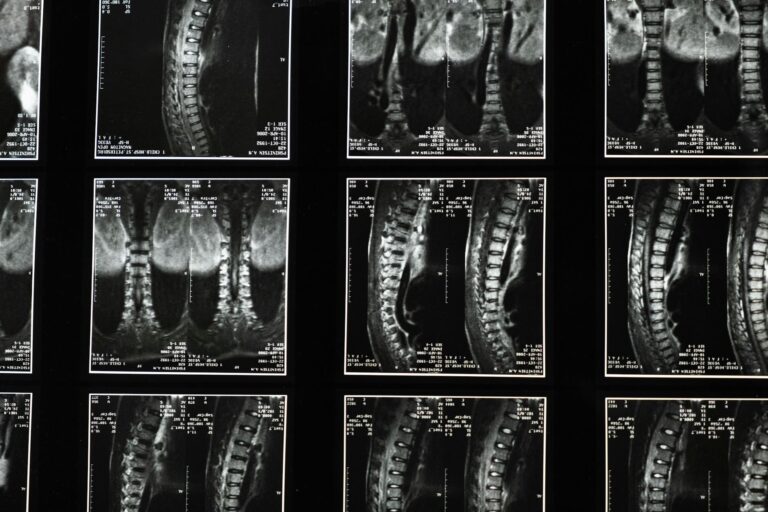
Lumbar disc bulges, where the soft inner material of a spinal disc protrudes against its outer layer in the lower back, can subtly undermine brain health by triggering chronic pain signals that disrupt cognitive function. In individuals concerned with dementia prevention, persistent low-back discomfort from these bulges often leads to reduced physical activity, sleep disturbances, and heightened stress—factors linked to accelerated brain aging and increased amyloid plaque buildup associated with Alzheimer's disease. Early recognition of these symptoms allows for interventions that preserve mobility, supporting cerebral blood flow and neuroplasticity essential for long-term cognitive resilience.
This article outlines the five most common early symptoms of lumbar disc bulges, drawing from clinical observations of nerve compression in the lumbar spine. Readers will learn how these signs manifest, their neurological impact on brain health, and practical steps to address them before they contribute to broader neurodegenerative risks. By connecting spinal integrity to dementia prevention, we emphasize proactive spine care as a cornerstone of brain vitality.
Table of Contents
- What Are the 5 Early Symptoms of Lumbar Disc Bulges?
- Why Do These Symptoms Appear Early in Lumbar Disc Bulges?
- How Does a Lumbar Disc Bulge Impact Brain Health and Dementia Risk?
- Symptom 1 – Localized Lower Back Pain and Stiffness
- Symptoms 2-5 – Radiating Pain, Numbness, Weakness, and Aggravated Discomfort
- How to Apply This
- Expert Tips
- Conclusion
- Frequently Asked Questions
What Are the 5 Early Symptoms of Lumbar Disc Bulges?
Lumbar disc bulges often emerge silently in the lower spine, pressing on nearby nerves like the sciatic nerve and sending erratic signals that the brain interprets as pain or dysfunction. These early symptoms typically appear before full herniation, affecting one side of the body and worsening with daily stressors such as prolonged sitting or minor bending.
For brain health, this matters because unrelenting nerve irritation elevates cortisol levels, which over time erode hippocampal volume—a key area vulnerable in early dementia. The five hallmark early symptoms include localized lower back pain, radiating sciatic discomfort into the leg, numbness or tingling in the legs or feet, muscle weakness in the lower extremities, and pain aggravated by sitting or bending. These signs signal disc material encroaching on spinal nerves, potentially altering gait and posture in ways that reduce overall activity levels critical for maintaining cerebral oxygenation and reducing dementia risk.
- Localized lower back pain that feels dull and achy, often the first subtle indicator as the bulge irritates surrounding tissues without yet causing major nerve compression.
- Radiating sciatic pain shooting from the buttocks down one leg, triggered by the bulge's proximity to nerve roots and contributing to brain fog from constant discomfort.
- Numbness or tingling in the legs or feet, an early nerve signal disruption that can impair balance and increase fall risk, indirectly stressing brain networks involved in spatial awareness.
Why Do These Symptoms Appear Early in Lumbar Disc Bulges?
Early symptoms arise when the bulging disc creates pressure points on spinal nerves in the lumbar region, often from age-related degeneration or repetitive strain like heavy lifting. This mechanical stress leaks inflammatory chemicals from the disc, sensitizing nerves before visible damage occurs and prompting the brain to heighten pain perception as a protective response. In a dementia context, this low-grade inflammation mirrors systemic processes that promote neuroinflammation, a precursor to cognitive decline.
Clinically, these signs manifest unilaterally—affecting one leg—due to the disc's posterior or lateral positioning near exiting nerve roots. Activities compressing the spine, such as sitting, amplify the bulge, making symptoms noticeable during routine tasks. Addressing them early preserves nerve function, which supports efficient brain-spine communication vital for executive function and memory consolidation.
- Disc degeneration weakens the outer layer, allowing early bulging that irritates nerves without rupture, leading to initial pain and sensory changes.
- Chemical irritation from disc material inflames nerve roots, producing tingling or weakness that the brain registers as diffuse discomfort, potentially exacerbating stress-related cognitive strain.
How Does a Lumbar Disc Bulge Impact Brain Health and Dementia Risk?
Lumbar disc bulges contribute to brain health challenges by fostering chronic pain cycles that limit exercise, a proven buffer against dementia through enhanced BDNF production for neuron growth. Persistent symptoms disrupt sleep architecture, reducing slow-wave sleep essential for amyloid clearance, while altered posture from weakness strains neck alignment, indirectly compressing cervical nerves that influence cerebral blood flow.
Over time, the immobility induced by these symptoms accelerates sarcopenia and vascular stiffness, both tied to vascular dementia pathways. Nerve compression also heightens sympathetic nervous system activity, elevating blood pressure and inflammation markers like CRP, which correlate with faster cognitive decline in at-risk populations. Early intervention breaks this cycle, promoting spinal stability to safeguard brain resilience.
- Reduced physical activity from pain lowers hippocampal volume and neurogenesis, key factors in Alzheimer's prevention.
- Sleep disruption from nighttime discomfort impairs glymphatic system function, hindering toxin removal linked to dementia progression.

Symptom 1 – Localized Lower Back Pain and Stiffness
This earliest symptom presents as a persistent dull ache or stiffness in the lumbar area, often worsening after periods of inactivity or minor twisting. It stems from the bulge stretching the disc's outer fibers and inflaming nearby muscles, creating a localized pressure that the brain amplifies into constant awareness.
For dementia-focused care, this pain often leads to antalgic gait—limping to avoid discomfort—which reduces overall movement and cerebral perfusion. Patients describe it as a deep soreness that eases with walking but flares with prolonged standing, signaling the need for posture awareness. Untreated, it progresses to radiate outward, but early recognition allows gentle mobilization to maintain activity levels protective against brain atrophy.
Symptoms 2-5 – Radiating Pain, Numbness, Weakness, and Aggravated Discomfort
Radiating sciatic pain follows as the bulge compresses nerve roots, shooting sharply from the buttocks into the thigh or foot, often unilateral and burning in quality. Numbness or tingling in the legs signals partial nerve blockade, while muscle weakness manifests as foot drop or difficulty rising from a chair, compromising stability. Pain worsening with sitting, bending, coughing, or sneezing highlights disc pressure sensitivity, all early harbingers before severe impairment.
These combined effects create a feedback loop where brain-perceived threats heighten muscle guarding, further stressing the spine. In brain health terms, they erode confidence in movement, fostering sedentary habits that diminish cognitive reserve. Monitoring for progression ensures timely care to protect neural pathways.
How to Apply This
- Track symptoms daily in a journal, noting triggers like sitting duration or bending to identify patterns early.
- Incorporate low-impact walks of 20 minutes daily to maintain spinal mobility and boost brain-derived neurotrophic factor.
- Practice core-strengthening exercises like pelvic tilts, avoiding forward bends, to stabilize the lumbar area.
- Consult a spine specialist if symptoms persist beyond two weeks for imaging and personalized brain-protective strategies.
Expert Tips
- Tip 1: Use a lumbar support cushion during sitting to reduce disc pressure and preserve daily activity for cognitive health.
- Tip 2: Alternate ice and heat therapy—15 minutes each—to manage inflammation without over-relying on medications that may fog cognition.
- Tip 3: Focus on anti-inflammatory nutrition like omega-3s from fish to combat both disc-related swelling and neuroinflammation.
- Tip 4: Prioritize sleep hygiene with a firm mattress to minimize nighttime symptom flares and support dementia-preventive brain detoxification.
Conclusion
Recognizing the five early symptoms of lumbar disc bulges—localized pain, radiating sciatica, numbness, weakness, and movement-aggravated discomfort—empowers proactive steps that safeguard spine health and, by extension, brain vitality. By addressing these signs promptly, individuals can avert chronic pain's cascade into reduced mobility and heightened dementia vulnerability, fostering a holistic approach to neurological wellness.
Ultimately, integrating spine care into dementia prevention routines underscores the interconnectedness of physical and cognitive domains. Simple habits like mindful posture and targeted exercise not only alleviate symptoms but build resilience against age-related decline, ensuring sharper focus and memory in the years ahead.
Frequently Asked Questions
Can early lumbar disc bulge symptoms mimic dementia-related mobility issues?
Yes, weakness and numbness from bulges can resemble early dementia gait changes, but they typically affect one leg and worsen with specific positions like sitting, unlike bilateral dementia progression.
How quickly do lumbar disc bulge symptoms evolve if untreated?
Early symptoms may stabilize for months but often intensify within weeks from daily activities, potentially leading to chronic nerve issues impacting brain health through inactivity.
Is sciatica always a sign of a lumbar disc bulge?
Sciatica from radiating leg pain strongly suggests a bulge or herniation in 90% of lumbar cases, especially if unilateral and triggered by bending or coughing.
Can lifestyle changes alone resolve early lumbar disc bulge symptoms?
Many early cases improve with activity modification, strengthening, and posture correction, reducing nerve pressure and supporting brain-protective mobility without surgery.