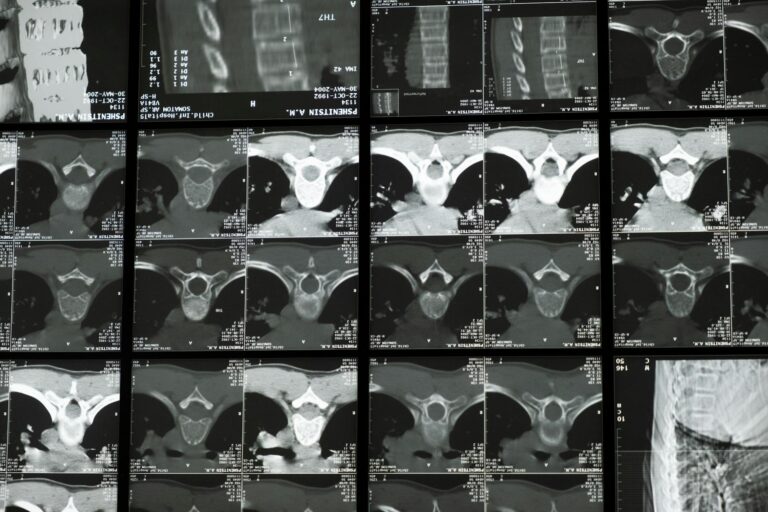
If you or someone you care for has been dealing with nagging back pain, unsteady balance, or increasing difficulty getting out of a chair, the culprit may not be aging alone — it may be a weak core. The core muscles, which include the transverse abdominis, multifidus, obliques, diaphragm, and pelvic floor, function as the body’s central stabilizing system for the spine. When these muscles lose strength, the lumbar spine absorbs forces it was never designed to handle on its own, leading to pain, postural collapse, and a heightened risk of falls. For older adults and those living with cognitive decline, recognizing these warning signs early can mean the difference between maintaining independence and entering a cycle of immobility that accelerates both physical and mental deterioration.
Consider a 72-year-old woman who begins needing both arms to push herself out of her favorite recliner. Her family assumes it is arthritis or simple fatigue, but the real issue is that her deep core stabilizers have weakened to the point where they can no longer generate the force needed to support her trunk during that movement. This scenario plays out in millions of households, and it matters enormously for brain health: physical inactivity driven by core weakness has been linked to faster cognitive decline in dementia research. Approximately 619 million people worldwide experienced low back pain in 2020 according to the WHO Global Burden of Disease Study, and roughly 90 percent of those cases are mechanical in nature — meaning they arise from how the spine, muscles, and joints interact rather than from a specific disease. This article walks through five concrete signs that the core may be too weak to properly support the spine, explains why each sign matters for aging adults and dementia caregivers, and outlines what can realistically be done about it — including newer treatment approaches emerging in 2025 and 2026.
Table of Contents
- What Happens When Core Muscles Are Too Weak to Support Your Spine?
- Chronic Lower Back Pain as the First Warning Sign
- How Poor Posture Reveals Hidden Core Weakness
- Practical Steps When Balance Problems Signal Core Deficiency
- When Everyday Movements Become a Struggle — and When to Worry
- Emerging Treatments for Core-Related Spine Weakness
- Building Core Support Into Dementia Care Routines
- Conclusion
- Frequently Asked Questions
What Happens When Core Muscles Are Too Weak to Support Your Spine?
The spine is not a freestanding pillar. It depends on a cylinder of deep muscles — the transverse abdominis wrapping the midsection like a corset, the multifidus running along each vertebra, the diaphragm forming the roof, and the pelvic floor forming the base — to maintain its natural curves under load. When these muscles weaken, the vertebrae, discs, and ligaments take on mechanical stress they cannot sustain over time. The result is a cascade: disc herniation, nerve compression, facet joint irritation, and chronic muscle strain. Back pain costs the U.S. economy an estimated $12 billion or more annually in direct medical costs alone, with the total economic burden reaching far higher when lost productivity is factored in. For older adults, especially those with dementia or mild cognitive impairment, this cascade is particularly dangerous.
A person whose core cannot stabilize the spine during a simple weight shift is a person at elevated fall risk. Falls are already the leading cause of injury-related death in adults over 65, and for someone with cognitive decline, a hip fracture or spinal compression fracture can trigger a rapid loss of function from which recovery may never be complete. The comparison is stark: a healthy core acts like scaffolding around a building under renovation, distributing forces evenly. A weak core is like removing that scaffolding and hoping the walls hold on their own. A 2014 study published in PubMed (PMID: 25467999) confirmed that core muscle strengthening exercises produced significant improvements in both pain and functional disability scores among patients with chronic low back pain. This is not speculative — the evidence is clear that targeted core work changes outcomes. The challenge for caregivers is recognizing the signs before a serious injury forces the issue.
Chronic Lower Back Pain as the First Warning Sign
The most common and most overlooked sign of a weak core is persistent lower back pain that does not resolve with rest. When the transverse abdominis and multifidus are not doing their job, the erector spinae and other superficial back muscles attempt to compensate. These muscles fatigue quickly because they were designed for movement, not sustained stabilization. The ache that settles into the lower back after standing for 20 minutes at the kitchen counter, or the stiffness that greets someone every morning, is frequently the spine’s distress signal that its support system has failed. However, not all lower back pain indicates core weakness, and this distinction matters. Pain that radiates down one leg with numbness or tingling may indicate nerve root compression that requires medical evaluation beyond exercise.
Pain that worsens at night or is accompanied by unexplained weight loss warrants immediate medical attention, as these can signal conditions unrelated to muscular weakness. For the aging population, spinal stenosis and osteoporotic compression fractures can mimic or coexist with core weakness, making professional assessment important before assuming exercise alone is the answer. What makes this sign especially relevant for dementia care is that many people with cognitive decline cannot accurately describe or localize their pain. A caregiver may notice that their loved one has stopped walking to the mailbox, grimaces when transitioning from sitting to standing, or has become irritable during activities that require trunk movement. These behavioral changes can be the only visible evidence of back pain driven by core insufficiency. Adults aged 65 and over are the most affected demographic, though even 21 percent of adults aged 18 to 29 report back pain tied to postural issues, underscoring that this is not exclusively an aging problem.
How Poor Posture Reveals Hidden Core Weakness
A weak core cannot hold the torso upright against gravity for sustained periods. Over weeks and months, this manifests as a forward head position, rounded shoulders, and a kyphotic curve in the upper back — the classic slouched posture that many people attribute to habit but which often reflects genuine muscular insufficiency. Anterior pelvic tilt, where the pelvis tips forward and the belly protrudes, is another postural consequence of inadequate core engagement. Each of these deviations increases compressive load on the spine and accelerates degenerative changes in the discs and joints. For someone with dementia, postural deterioration carries additional consequences. A forward head position shifts the center of gravity, making falls more likely during transitions like turning a corner or reaching overhead.
Rounded shoulders compress the chest cavity, reducing lung capacity at a time when adequate oxygenation is critical for whatever cognitive function remains. Caregivers sometimes try to correct posture through verbal cues — “sit up straight” — but if the core muscles lack the endurance to maintain that position, the cue is useless within minutes. A specific example worth noting: a retired teacher in her late sixties noticed she could no longer sit through a full dinner without leaning on the table for support. Her physician initially prescribed a back brace, which provided temporary relief but further weakened her core muscles by doing their work for them. It was only after a physical therapist assessed her core endurance — she could hold a modified plank for just four seconds — that the root cause became clear. This is a common trap. External supports can mask the problem while making the underlying weakness worse, particularly for older adults who may already be sedentary.

Practical Steps When Balance Problems Signal Core Deficiency
Balance and stability problems are the third sign, and arguably the most dangerous for aging adults. The core muscles stabilize the trunk during every movement — walking, turning, reaching, bending. When the obliques cannot control pelvic drop during gait, the result is a lateral sway or waddle that significantly increases fall risk. Difficulty standing on one leg, stumbling on uneven surfaces, or needing to grab furniture during routine movement all point to core instability. Research published in a systematic review (PMC ID: PMC9340836) found that core stability exercises produced greater reductions in pain scores compared to general physical therapy alone, suggesting that targeted core training addresses a specific deficit that general exercise misses. The tradeoff that caregivers and clinicians face is between safety and strengthening.
A person with poor balance needs core training to reduce fall risk, but core training itself involves positions and movements that may provoke a fall. Chair-based exercises offer one solution: seated marching, seated trunk rotations, and supported pelvic tilts can engage the deep stabilizers without requiring standing balance. The compromise is that chair-based work produces slower strength gains than floor-based exercises like planks or bird-dogs, but for someone who cannot safely get onto the floor, slower gains are infinitely preferable to a fractured hip. For dementia caregivers specifically, guided physical activity serves a dual purpose. Regular core-focused movement has been associated with improved mood, reduced agitation, and better sleep patterns in people with cognitive impairment — benefits that extend well beyond spinal health. The key is consistency over intensity. Ten minutes of daily seated core engagement is more valuable than a weekly 45-minute class that gets skipped because it feels too demanding.
When Everyday Movements Become a Struggle — and When to Worry
The fourth sign — difficulty with everyday functional movements — is often the one that finally prompts families to seek help. Struggling to rise from a chair without using the arms, inability to bend and pick up an object from the floor, or needing to brace against a counter to put on shoes all indicate that the deep stabilizing muscles (transverse abdominis, multifidus, diaphragm, and pelvic floor) cannot generate adequate force. These are not just inconveniences. They represent a threshold below which independent living becomes genuinely unsafe. A critical limitation to recognize is that functional decline in dementia patients is not always muscular. Apraxia — the loss of ability to execute purposeful movements despite intact muscle strength — can mimic core weakness. A person with apraxia may struggle to stand from a chair not because their muscles are too weak, but because their brain can no longer sequence the motor plan required.
Distinguishing between the two requires clinical assessment, and treating one as the other wastes time and can cause frustration for everyone involved. If a strengthening program produces no improvement after several weeks of consistent effort, apraxia or another neurological factor should be considered. The fifth sign is more subtle and frequently missed: breathing dysfunction during physical exertion. The diaphragm is both a respiratory muscle and a core stabilizer. When the deep core is too weak to maintain spinal stability on its own, the diaphragm gets recruited for stabilization at the expense of its breathing function. The visible result is breath-holding during exertion — a person who holds their breath while lifting a grocery bag or climbing stairs. This breath-holding creates spikes in intra-abdominal and thoracic pressure that can worsen disc problems and elevate blood pressure, both of which are particularly risky for older adults managing cardiovascular conditions alongside cognitive decline.

Emerging Treatments for Core-Related Spine Weakness
For patients with documented multifidus weakness who have not responded to traditional physical therapy, an emerging treatment option involves direct electrical stimulation of the multifidus muscle. Small electrical leads are surgically implanted in a minimally invasive procedure to stimulate these deep spinal stabilizers, essentially retraining muscles that have atrophied beyond what voluntary exercise can reach. This approach, gaining traction in 2025 and 2026, is not a first-line treatment and remains appropriate only for a narrow population of patients with confirmed, imaging-documented multifidus atrophy and persistent pain despite months of conservative care.
This development reflects a broader shift in how medicine understands back pain. The latest medical consensus treats back pain as biopsychosocial — recognizing that physical movement, stress, sleep quality, and nutrition all affect how the brain processes pain signals. For dementia caregivers, this framework is especially relevant: a loved one’s back pain may worsen not just from sitting too long, but from the anxiety, disrupted sleep, and nutritional deficits that commonly accompany cognitive decline. Addressing core weakness without also addressing these factors often produces incomplete results.
Building Core Support Into Dementia Care Routines
The most effective core strengthening programs for older adults with cognitive impairment are those woven into daily routines rather than treated as separate exercise sessions. Practicing a supported sit-to-stand from the dining chair before each meal, performing gentle trunk rotations during a favorite television program, or doing diaphragmatic breathing exercises during a calm morning period all build core endurance without requiring the person to understand or remember a formal exercise protocol.
Caregivers who frame these activities as part of the daily rhythm rather than as “exercise” often find better compliance and less resistance. Looking ahead, the integration of movement-based interventions into dementia care plans is gaining recognition among geriatric specialists. As the evidence connecting physical stability to cognitive preservation continues to build, core strengthening is increasingly viewed not as an optional add-on but as a foundational element of comprehensive dementia care — one that protects the spine, reduces fall risk, and may help preserve whatever functional independence remains.
Conclusion
The five signs — chronic lower back pain, deteriorating posture, balance and stability problems, difficulty with everyday movements, and breath-holding during exertion — are not just musculoskeletal complaints. For older adults and those living with dementia, they are early warnings that the body’s central support system is failing, setting the stage for falls, fractures, immobility, and accelerated decline. Recognizing these signs early creates a window for intervention that closes once a serious injury occurs.
The path forward does not require heroic exercise programs or expensive equipment. It requires consistent, daily engagement of the deep core muscles through movements appropriate to the individual’s ability level, combined with attention to the broader factors — sleep, stress, nutrition — that influence how the body manages pain and maintains function. For caregivers, learning to spot these five signs and acting on them promptly may be one of the most consequential things they do for the person in their care.
Frequently Asked Questions
Can core weakness actually cause back pain, or does back pain cause core weakness?
Both directions are real, and they often create a vicious cycle. Initial core weakness increases spinal loading and causes pain, but pain itself triggers the brain to inhibit deep stabilizer activation as a protective mechanism, further weakening the core. Breaking this cycle typically requires guided, progressive core training that stays below the pain threshold. Roughly 90 percent of back pain cases are mechanical in nature, meaning they arise from how muscles, joints, and the spine interact.
How can I tell if a loved one with dementia has core weakness versus a neurological movement disorder?
Core weakness generally presents as consistent difficulty with effortful tasks — struggling with the same movement every time. Neurological movement disorders like apraxia tend to be more variable, with the person sometimes completing a task normally and other times being unable to initiate it. If a structured strengthening program shows no improvement after four to six weeks of regular participation, a neurological evaluation is warranted.
Are planks and sit-ups the best exercises for a weak core?
For older adults and those with existing back pain, traditional sit-ups are generally not recommended because they place excessive compressive force on the lumbar spine. Planks can be beneficial but may be too demanding or unsafe for someone with balance issues. Modified exercises such as seated pelvic tilts, supine marching, bird-dogs on hands and knees, and diaphragmatic breathing often provide safer, more appropriate core activation for this population.
How long does it take to strengthen a weak core enough to reduce back pain?
A 2014 study on core strengthening in chronic low back pain patients showed significant improvements in pain and functional disability with consistent training. Most clinical programs run 6 to 12 weeks before measurable gains appear, though some patients report reduced pain within two to three weeks. The critical variable is consistency — daily or near-daily engagement produces better results than sporadic intense sessions.
Does wearing a back brace help with core weakness?
Back braces provide temporary relief by externally stabilizing the spine, but they can worsen core weakness over time by reducing the demand on stabilizing muscles. They are appropriate for acute pain episodes or during specific high-risk activities, but they should not replace core strengthening. Prolonged brace use without concurrent exercise is a common clinical mistake, particularly in older adults.