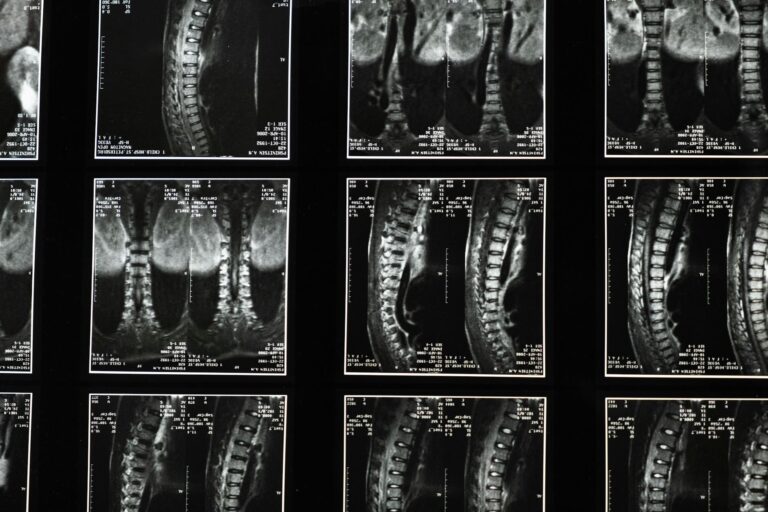
Back pain is a frequent complaint among older adults, and for those concerned with dementia and brain health, distinguishing its origins is crucial. While back pain often stems from muscle strain or posture issues, disc degeneration can signal broader spinal instability that impacts mobility and quality of life. Reduced physical activity from chronic pain may accelerate cognitive decline, as exercise supports brain health by enhancing blood flow and neuroplasticity.
This article outlines five key signs of disc degeneration-related back pain, helping readers identify when to seek evaluation. Readers will learn specific symptoms tied to degenerative disc disease, how they manifest in daily life, and their relevance to maintaining brain vitality through sustained movement. Understanding these signs empowers proactive steps to preserve spinal health, which indirectly safeguards cognitive function by preventing sedentary lifestyles linked to dementia risk.
Table of Contents
- Is Your Back Pain Constant but Worsens in Flare-Ups?
- Does Pain Spike When Sitting or Bending?
- Do You Feel Leg Pain, Numbness, or Weakness?
- Does Your Spine Feel Unstable or Locked?
- Is Pain Relieved by Walking but Not Resting Long?
- How to Apply This
- Expert Tips
- Conclusion
- Frequently Asked Questions
Is Your Back Pain Constant but Worsens in Flare-Ups?
Degenerative disc disease often presents as moderate, continuous low back pain that feels achy and dull, centered around the damaged disc and potentially spreading to the buttocks, groin, or upper thighs. This baseline discomfort arises from inflammation caused by proteins in the degenerating disc irritating surrounding tissues, leading to muscle spasms. For individuals prioritizing brain health, this persistent pain can discourage walking or stretching, activities essential for hippocampal growth and dementia prevention.
Flare-ups intensify the pain suddenly for days or weeks, then subside as the spine stabilizes, though repeated episodes signal ongoing degeneration. These episodes reduce mobility, fostering inactivity that harms cognitive reserve. Neurological involvement may add sharp, shooting pains if nerves are compressed, but leg symptoms typically stop above the knee.
- Pain feels achy and radiates to buttocks or thighs without bowel or bladder issues, which warrant immediate care.
- Flare-ups last days to weeks and temporarily limit movement, contrasting with muscle-related pain that resolves faster.
- Local tenderness around the low back increases with touch due to inflammation and tension.
Does Pain Spike When Sitting or Bending?
Prolonged sitting triples the load on lumbar discs compared to standing, exacerbating pain and stiffness in degenerative disc disease. This positional aggravation stems from increased pressure on the weakened disc, making reclined or supported sitting more tolerable while upright positions provoke discomfort.
For brain health advocates, this symptom discourages desk work or driving without breaks, yet frequent position changes—key for disc relief—also boost cerebral circulation. Bending, twisting, or lifting forward, backward, or sideways concentrates intense pain at the disc site due to mechanical stress on unstable structures. These movements mimic daily tasks, turning routine activities into pain triggers that limit exercise, a cornerstone against dementia progression.
- Sitting for long periods causes severe stiffness relieved only by standing or walking.
- Twisting or bending motions provoke sharp, localized pain unlike generalized soreness.
Do You Feel Leg Pain, Numbness, or Weakness?
When disc collapse pinches nerve roots, pain radiates to the buttocks, hips, thighs, or back of the legs, often as sciatica-like symptoms that feel hot, sharp, or stinging. Numbness, tingling, or weakness in the legs or thighs follows nerve compression, with potential "giving out" sensations during sudden movements.
In a dementia context, these neurological signs mimic early cognitive-motor overlaps, but they stem from spinal issues that, if untreated, reduce walking endurance vital for brain oxygenation. Weakness may affect thigh or leg muscles, sometimes causing foot drop, signaling nerve root involvement without extending below the knee in pure disc degeneration. Maintaining mobility through awareness prevents deconditioning, preserving neural pathways linked to memory.
- Sharp leg pain or sciatica from nerve irritation, worsened by disc height loss.
- Numbness, tingling, or sudden instability in legs during activity.

Does Your Spine Feel Unstable or Locked?
A hallmark of advancing disc degeneration is the sensation of spinal instability, like the back might "give out" or lock up during motion, due to micro-motions between vertebrae. This mechanical back pain worsens with axial loads like forward bending or carrying weight, as the degenerated disc fails to cushion properly.
For those focused on brain health, this instability curtails dynamic exercises such as yoga or tai chi, which foster neurogenesis and reduce dementia risk factors. Muscle spasms and tension around the disc contribute to a stiff, locked feeling, especially with prolonged standing or "tech neck" from looking down. Relief comes from lying down or reclining with knee support, highlighting the need for adaptive habits to sustain activity levels.
Is Pain Relieved by Walking but Not Resting Long?
Unlike inflammatory conditions, disc degeneration pain eases with walking, running, or frequent position changes, as weight shifts from discs to muscles and joints. This pattern—worse with static sitting or standing, better with movement—distinguishes it from other back issues and encourages activity, aligning with brain health strategies that combat sedentary dementia risks through consistent motion.
Periods of severe pain alternate with milder phases, lasting days to months, driven by instability around the disc. Recognizing this cycle motivates early intervention to avoid progression to stenosis or herniation, preserving the physical capacity for cognitive-enhancing pursuits.
How to Apply This
- Track your pain patterns daily, noting triggers like sitting or bending to differentiate disc issues from muscle strain.
- Incorporate short walks every 30 minutes during sedentary tasks to offload discs and support brain blood flow.
- Consult a spine specialist if leg symptoms or instability persist, requesting MRI for degeneration confirmation.
- Adopt ergonomic adjustments, like lumbar supports, while prioritizing mobility exercises to protect cognitive health.
Expert Tips
- Tip 1: Alternate positions hourly and use a standing desk to minimize disc pressure without sacrificing productivity.
- Tip 2: Strengthen core muscles through low-impact Pilates, enhancing spinal stability and dementia-preventive balance.
- Tip 3: Avoid high-impact activities during flare-ups but resume gentle stretching to maintain neurovascular health.
- Tip 4: Monitor for red flags like bowel dysfunction, seeking urgent care to rule out serious spinal complications.
Conclusion
Identifying these five signs—persistent pain with flare-ups, positional worsening, leg symptoms, instability, and movement relief—enables timely management of disc degeneration.
Early action preserves mobility, directly benefiting brain health by sustaining exercise routines that mitigate dementia progression. By integrating awareness with practical habits, individuals can address back pain proactively, fostering a lifestyle where spinal and cognitive wellness reinforce each other for long-term vitality.
Frequently Asked Questions
How does disc degeneration back pain differ from dementia-related mobility issues?
Disc pain follows mechanical patterns like worsening with sitting, while dementia mobility loss is progressive and symmetric without specific positional triggers.
Can untreated disc degeneration worsen brain health?
Yes, chronic pain promotes inactivity, reducing cerebral blood flow and neuroplasticity, key dementia protectors.
When should I see a doctor for these signs?
Seek evaluation for persistent pain over weeks, leg weakness, or numbness, especially if impacting daily function.
Are there brain-healthy exercises safe for disc degeneration?
Walking, swimming, and core stabilization like planks relieve symptoms while boosting hippocampal volume against dementia.