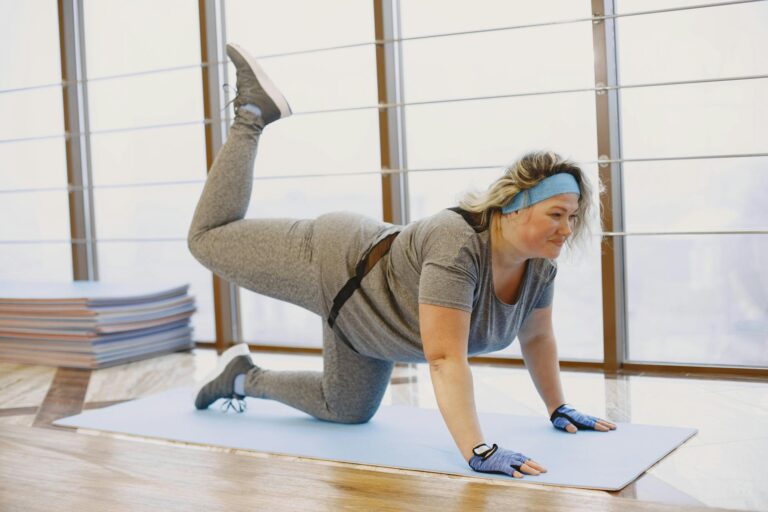
The five physical therapy exercises most commonly recommended by doctors for stabilizing herniated discs without surgery are McKenzie extensions, bird-dog exercises, pelvic tilts, glute bridges, and the cat-cow stretch. These movements target the deep spinal stabilizers and surrounding musculature that protect damaged discs, and research shows that 70 to 90 percent of patients achieve meaningful recovery through physical therapy alone, according to data from Mass General Brigham and other clinical sources. For someone like a 52-year-old who was just told they have an L4-L5 disc herniation and dreads the idea of going under the knife, these exercises represent a legitimate, evidence-backed first line of treatment. What makes this particularly relevant for older adults and those navigating cognitive health challenges is the intersection between chronic pain management and brain health. Persistent spinal pain disrupts sleep, limits physical activity, and increases stress hormones, all of which are established risk factors for cognitive decline.
A meta-analysis published in BMC Musculoskeletal Disorders found that 63 percent of non-surgically treated patients experienced natural disc resorption over time, meaning the body often heals itself when given the right support. This article walks through each of the five exercises in detail, explains the research behind non-surgical recovery timelines, identifies which movements to avoid entirely, and offers practical guidance on building a safe routine. The landmark SPORT trial published in JAMA found that at four-year follow-up, surgical versus non-operative treatment showed no statistically significant difference in long-term outcomes for lumbar disc herniation. That finding alone should give anyone pause before rushing toward an operating room. The exercises outlined here are not fringe alternatives. They are standard-of-care recommendations from orthopedic surgeons, physiatrists, and physical therapists at institutions ranging from Kaiser Permanente to the American Physical Therapy Association.
Table of Contents
- Why Do Doctors Recommend These 5 Exercises for Herniated Disc Stabilization Instead of Surgery?
- McKenzie Extensions and Bird-Dogs: The Two Foundational Exercises Explained
- Pelvic Tilts and Glute Bridges Build the Stabilizing Base
- How to Structure a Safe Exercise Routine and What Progress Looks Like
- Exercises That Make Herniated Discs Worse and Why People Still Do Them
- The Connection Between Chronic Back Pain and Cognitive Health
- What the Long-Term Data Actually Shows About Non-Surgical Recovery
- Conclusion
- Frequently Asked Questions
Why Do Doctors Recommend These 5 Exercises for Herniated Disc Stabilization Instead of Surgery?
The rationale is straightforward. Roughly 90 percent of patients with lumbar disc herniation improve without surgery within six weeks of onset, and only about 10 percent ultimately require surgical intervention. Doctors recommend targeted physical therapy exercises because they address the root mechanical problem: weak or poorly coordinated spinal stabilizers that fail to protect the damaged disc from further irritation. Surgery removes disc material but does nothing to correct the muscular deficits that contributed to the herniation in the first place. A patient who undergoes a discectomy without rehabilitating their core stabilizers faces a meaningful risk of re-herniation at the same level. The five exercises doctors gravitate toward share a common design principle. They activate the deep stabilizing muscles, specifically the multifidus and transverse abdominis, without placing excessive compressive or shearing loads on the injured disc. McKenzie extensions, for instance, were developed by physiotherapist Robin McKenzie and work by shifting displaced disc material away from compressed nerve roots.
The bird-dog targets those same deep stabilizers from a quadruped position. Pelvic tilts build neuromuscular control in the lumbar-pelvic region. Glute bridges strengthen the posterior chain to reduce compensatory stress on lumbar segments. And the cat-cow stretch promotes nutrient flow to the disc through gentle segmental mobilization. Each exercise serves a distinct biomechanical purpose, which is why they are typically prescribed together rather than in isolation. One comparison worth understanding: passive treatments like heat, massage, and ultrasound may temporarily reduce pain, but they do not change the structural stability of the spine. Active exercise does. Research published in PMC confirms that the McKenzie method improves both pain and disability in individuals with lumbar disc herniation, and this improvement holds because the patient develops lasting neuromuscular adaptations, not just temporary symptom relief.

McKenzie Extensions and Bird-Dogs: The Two Foundational Exercises Explained
McKenzie extensions, sometimes called prone press-ups or cobra press-ups, are typically the first exercise a physical therapist will teach a patient with a posterolateral disc herniation, which is the most common type. The patient lies face down and slowly presses their upper body upward while keeping their hips on the table or floor, creating a controlled extension of the lumbar spine. This movement uses a principle called directional preference, meaning the extension direction mechanically encourages the herniated disc material to migrate away from the nerve root it is compressing. Many patients report a phenomenon called centralization during this exercise, where pain that was radiating down the leg begins to retreat toward the center of the back. That centralization is a positive clinical sign indicating the disc is responding to the directional force. The bird-dog exercise complements McKenzie extensions by training dynamic stability.
From a hands-and-knees position, the patient extends the opposite arm and leg simultaneously while keeping the spine in a neutral, non-rotated position. This sounds simple, but it demands significant coordination from the multifidus, transverse abdominis, and gluteal muscles simultaneously. Orthopedic and spine specialists consider it a foundational core stabilization exercise for disc patients precisely because it teaches the body to maintain spinal alignment during movement, which is what the spine must do during everyday activities like walking, reaching, and bending. However, if a patient experiences increased leg pain or peripheralization of symptoms, meaning pain moves further down the leg, during McKenzie extensions, this exercise may not be appropriate for their specific herniation pattern. Not all disc herniations respond to extension-based therapy. Some lateral or foraminal herniations require a different directional preference entirely. This is why a proper evaluation by a physical therapist trained in the McKenzie method, formally called Mechanical Diagnosis and Therapy, matters before a patient begins doing press-ups on their living room floor based on a recommendation they found online.
Pelvic Tilts and Glute Bridges Build the Stabilizing Base
Pelvic tilts are often prescribed as a Phase 1 or early-stage rehabilitation exercise because they are low-impact and can be performed while lying on your back with knees bent. The movement is subtle: the patient flattens their lower back against the floor by gently engaging their lower abdominal muscles, holds for a few seconds, and releases. What makes this exercise valuable is not the force it generates but the neuromuscular control it develops. Many patients with herniated discs have lost the ability to consciously activate their deep abdominal muscles, a phenomenon called motor control dysfunction. Pelvic tilts retrain that connection. A physical therapist at a clinic in Minneapolis described it to one of her patients as “teaching your brain to find muscles it forgot existed,” which captures the neurological dimension of this seemingly basic exercise. Glute bridges progress the challenge by adding the posterior chain. Lying on the back with knees bent, the patient presses through their heels to lift their hips off the floor, forming a straight line from shoulders to knees.
This activates the gluteal muscles and hamstrings, which serve as critical stabilizers for the lumbar spine. When the glutes are weak, a common finding in people who sit for long hours, the lumbar erector spinae muscles compensate by working overtime, increasing compressive forces on already damaged discs. NJ Spine and Ortho and other orthopedic sources specifically recommend glute bridges as a safe and effective exercise for herniated disc patients because they address this compensation pattern directly. A specific example illustrates why glute strength matters beyond the spine itself. Consider someone in their mid-60s who has both a lumbar disc herniation and early-stage cognitive concerns. Weak glutes contribute to gait instability, which increases fall risk. Falls are the leading cause of traumatic brain injury in older adults. Strengthening the posterior chain through glute bridges therefore serves a dual purpose: stabilizing the herniated disc and reducing the likelihood of a fall that could accelerate cognitive decline. This interconnection between spinal health, mobility, and brain health is often overlooked in treatment plans that focus narrowly on the disc itself.

How to Structure a Safe Exercise Routine and What Progress Looks Like
The research indicates patients should exercise at least two to three times per week for a minimum of two weeks to see significant improvements in pain reduction and physical performance. Most patients see significant symptom reduction within six to twelve weeks of structured physical therapy. However, these timelines assume consistency and proper form. A patient who does the exercises sporadically or with poor technique may see little improvement or may even aggravate their condition. A typical progression looks something like this. In weeks one through two, the focus is on pain reduction and neuromuscular reactivation: pelvic tilts, gentle McKenzie extensions if directional preference has been confirmed, and supine glute activation. By weeks three through six, the bird-dog and full glute bridges are introduced, along with longer hold times and increased repetitions.
From weeks six through twelve, the exercises become more dynamic, potentially adding resistance bands, stability ball variations, or standing balance challenges. The cat-cow stretch, which gently opens the intervertebral disc space and improves spinal segmental mobility, can be used throughout the entire timeline as a warm-up or cooldown movement. Medical News Today, Kaiser Permanente, and multiple spine specialty clinics recommend it for relieving disc herniation pain and promoting nutrient flow to the disc. The tradeoff patients face is between speed and safety. Pushing too aggressively through exercises, adding weight too soon, or ignoring pain signals can re-irritate the nerve root and set recovery back by weeks. On the other hand, being overly cautious and avoiding all movement leads to deconditioning, muscle atrophy, and increased fear-avoidance behavior, which research has shown to be one of the strongest predictors of chronic pain development. The middle path, guided by a physical therapist who adjusts the program based on symptom response, produces the best outcomes. Self-directed exercise programs can work for motivated, body-aware individuals, but they lack the feedback loop that catches problems early.
Exercises That Make Herniated Discs Worse and Why People Still Do Them
One of the most important aspects of disc rehabilitation is knowing what not to do. Sit-ups and crunches increase intradiscal pressure significantly because they load the spine in flexion, which is the exact mechanism that causes most disc herniations in the first place. Yet sit-ups remain among the most commonly performed “core exercises” in gyms and home workouts. A patient who has been told they need to strengthen their core may default to crunches without realizing they are driving the herniated material further into the nerve root. Heavy deadlifts, loaded spinal flexion, Russian twists, and rotational movements under load should all be avoided during the acute and subacute phases of disc recovery.
Standing toe touches, a stretch many people perform reflexively, places the lumbar spine in end-range flexion under the weight of the upper body, which is exactly the position of maximum disc vulnerability. High-impact running is also problematic too early in recovery because each foot strike transmits compressive force through the spine, and a disc that has not yet stabilized cannot absorb those forces safely. The warning here is specific: the internet is full of exercise lists for herniated discs that include movements like seated hamstring stretches or knee-to-chest pulls. While these may be appropriate for some patients at certain stages of recovery, they involve lumbar flexion, which can worsen symptoms in the acute phase. The American Physical Therapy Association’s ChoosePT resource emphasizes that exercise selection should be based on individual assessment, not generic protocols. Someone with a central disc herniation and someone with a far-lateral herniation may need entirely different exercise prescriptions, and an exercise that helps one can harm the other.

The Connection Between Chronic Back Pain and Cognitive Health
Chronic pain from an untreated or poorly managed herniated disc does not stay in the back. Research has consistently shown that persistent pain alters brain structure and function. Pain-related sleep disruption reduces the glymphatic clearance of beta-amyloid and tau proteins, the very substances implicated in Alzheimer’s disease. Reduced physical activity due to back pain accelerates hippocampal volume loss.
And the psychological burden of chronic pain, including depression, anxiety, and social isolation, are all independent risk factors for dementia. This is why addressing a herniated disc through physical therapy matters for whole-body and whole-brain health, not just spinal mechanics. A 68-year-old who avoids exercise because of disc pain enters a downward spiral: less movement leads to more deconditioning, which leads to more pain, which leads to less movement. Breaking that cycle with safe, structured exercises like the five outlined in this article has cascading benefits that extend far beyond the lumbar spine.
What the Long-Term Data Actually Shows About Non-Surgical Recovery
The most encouraging finding for patients considering conservative treatment comes from that BMC Musculoskeletal Disorders meta-analysis: out of 2,219 non-surgically treated patients, 1,425 experienced natural disc resorption, a pooled incidence of 63 percent. The body, given time and the right mechanical environment, often reabsorbs the herniated material on its own. This is not wishful thinking or alternative medicine. It is documented radiographic evidence of disc regression in the majority of conservatively treated patients. The SPORT trial’s four-year follow-up data reinforces this.
While surgical patients tended to improve faster in the first few months, the long-term outcomes between surgical and non-surgical groups converged to the point of no statistically significant difference. For patients who can manage their symptoms through physical therapy and exercise, the data suggests they end up in the same place as surgical patients without the risks of anesthesia, infection, nerve damage, or failed back surgery syndrome. That said, there is a subset of patients, roughly 10 percent, for whom surgery is genuinely necessary, typically those with progressive neurological deficits, cauda equina syndrome, or intractable pain that does not respond to six or more weeks of conservative care. Physical therapy is not a replacement for surgery when surgery is truly indicated. It is the appropriate first step for the vast majority.
Conclusion
The five exercises doctors most commonly recommend for stabilizing herniated discs, McKenzie extensions, bird-dogs, pelvic tilts, glute bridges, and the cat-cow stretch, are not generic fitness movements repackaged as therapy. They are targeted interventions that address specific mechanical deficits in spinal stability, and they are supported by robust clinical evidence. With 70 to 90 percent of patients achieving meaningful recovery through physical therapy alone and 63 percent experiencing natural disc resorption, the case for trying conservative treatment before surgery is strong. For older adults and anyone concerned about cognitive health, the stakes of managing back pain effectively go beyond comfort.
Chronic pain erodes the very foundations of brain health: sleep, physical activity, and psychological well-being. Starting with a proper evaluation from a physical therapist, committing to a structured exercise program two to three times per week, and allowing six to twelve weeks for meaningful progress is a reasonable, evidence-based path forward. These exercises require no equipment, can be performed at home, and can be modified for nearly any fitness level. The first step is getting assessed so the right exercises are prescribed for your specific herniation pattern.
Frequently Asked Questions
How long does it take for a herniated disc to heal without surgery?
Most patients see significant symptom reduction within 6 to 12 weeks of structured physical therapy. A meta-analysis of over 2,200 patients found that 63 percent experienced natural disc resorption over time. However, healing timelines vary based on the size and location of the herniation, patient age, and adherence to the exercise program.
Can I do these exercises at home without a physical therapist?
While all five exercises can technically be performed at home, an initial evaluation by a physical therapist is strongly recommended. Not every herniation responds to the same directional forces. For example, McKenzie extensions help most posterolateral herniations but can worsen lateral or foraminal herniations. A therapist can identify your specific directional preference and ensure proper form before you transition to a home program.
Are herniated disc exercises safe for people over 65?
Yes, with appropriate modifications. Pelvic tilts and gentle cat-cow stretches are low-impact enough for most older adults to perform safely. Glute bridges and bird-dogs may need to be progressed more slowly. The key consideration for older adults is fall risk during exercises performed on the floor, so having a stable surface nearby and, if necessary, performing modified versions from a bed or chair is a sensible precaution.
Is walking good for a herniated disc?
Walking is generally beneficial because it promotes blood flow to the spinal structures, maintains cardiovascular fitness, and avoids the high compressive forces associated with running or jumping. Most spine specialists recommend walking as a complementary activity alongside the targeted stabilization exercises. Start with short, flat-surface walks and increase duration gradually based on symptom response.
When should I consider surgery instead of physical therapy?
Surgery is typically indicated when there are progressive neurological deficits such as worsening leg weakness or foot drop, cauda equina syndrome involving bowel or bladder dysfunction, or severe pain that has not responded to at least six weeks of consistent conservative treatment. The SPORT trial showed that long-term outcomes are similar between surgical and non-surgical groups for most patients, so surgery should be reserved for those roughly 10 percent of cases where it is genuinely necessary.
Can these exercises prevent future disc herniations?
Maintaining the core stability and spinal awareness developed through these exercises does reduce the risk of recurrence. The bird-dog and glute bridge in particular train the muscles that protect the spine during lifting, bending, and twisting. However, no exercise program eliminates risk entirely. Ongoing maintenance exercise two to three times per week, combined with proper lifting mechanics and avoiding prolonged static postures, provides the best long-term protection.