Spinal disc pressure can contribute to chronic back pain, which affects cognitive function and quality of life in individuals with dementia or those at risk for brain health decline. Persistent pain disrupts sleep, increases stress hormones like cortisol that harm hippocampal neurons involved in memory, and limits physical activity essential for neuroplasticity and cerebral blood flow. Research links regular low-impact movement to reduced inflammation and better brain-derived neurotrophic factor (BDNF) levels, supporting neuronal health.
In this article, you will learn five evidence-based exercises that decompress spinal discs, drawn from clinical recommendations for disc-related conditions. These movements strengthen supporting muscles, enhance flexibility, and promote circulation without jarring the spine. Tailored for dementia care, they emphasize gentle, accessible routines that caregivers can facilitate to maintain mobility, reduce pain interference with daily brain-engaging activities, and foster overall neurological resilience.
Table of Contents
- Why Do Spinal Disc Exercises Support Brain Health in Dementia?
- Exercise 1 – Swimming or Water Walking
- Exercise 2 – Cat-Cow Stretch
- Exercise 3 – Bird Dog
- Exercise 4 – Pelvic Tilts and Bridges
- How to Apply This
- Expert Tips
- Conclusion
- Frequently Asked Questions
Why Do Spinal Disc Exercises Support Brain Health in Dementia?
Reducing pressure on spinal discs alleviates chronic pain signals that overload the brain's pain-processing centers, potentially exacerbating cognitive fatigue in dementia patients. Low-impact exercises improve posture and core stability, which enhance cerebral oxygenation through better blood flow, countering the reduced vascular health often seen in neurodegenerative conditions.
Studies indicate that such movements lower systemic inflammation, a key driver of amyloid plaque buildup and tau tangles associated with Alzheimer's pathology. For those with dementia, these exercises minimize fall risk by building balance and proprioception, preserving independence and reducing traumatic brain injury chances that accelerate decline. They also release endorphins, natural mood stabilizers that combat apathy and depression common in brain health challenges.
- Perform in short sessions to match attention spans affected by dementia.
- Use verbal cues and demonstrations for motor learning retention.
- Monitor for pain to avoid triggering agitation or sundowning.
Exercise 1 – Swimming or Water Walking
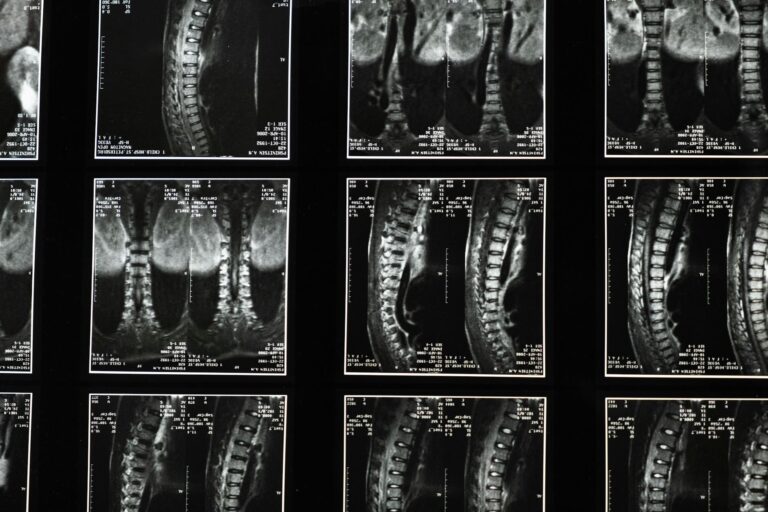
Swimming leverages water's buoyancy to offload up to 90% of body weight from the spine, directly decompressing discs while gently strengthening core and paraspinal muscles critical for posture. This low-impact aerobic activity boosts cardiovascular health, which correlates with slower cognitive decline by improving brain perfusion and reducing white matter hyperintensities seen in dementia MRI scans.
In dementia contexts, aquatic exercises enhance mood via sensory water feedback, stimulating vestibular inputs that support spatial memory pathways. Clinical insights show water-based movement reduces muscle spasms from disc irritation, allowing freer mobility for brain-stimulating walks or therapies.
- Walk in chest-deep water, swinging arms naturally for 10-15 minutes to engage the spine-supporting muscles without disc compression.
- Progress to knee-to-chest pulls in water, hugging one knee at a time to stretch hip flexors and relieve lumbar pressure.
Exercise 2 – Cat-Cow Stretch
The Cat-Cow sequence alternates spinal flexion and extension on all fours, mobilizing discs to reduce stiffness and promote nutrient diffusion into vertebral endplates, vital for disc hydration. This yoga-inspired move fosters mindful breathing, which activates the parasympathetic nervous system, lowering stress that impairs prefrontal cortex function in early dementia.
For brain health, rhythmic Cat-Cow enhances proprioceptive awareness, aiding gait stability and reducing hippocampal atrophy risks from inactivity. It is particularly suitable for seated variations in advanced dementia stages.
- On hands and knees, inhale to arch the back (Cow), gazing up; exhale to round the spine (Cat), tucking chin—repeat 8-10 times slowly.
- Seated version: Place hands on knees, alternate arching and rounding the upper back for accessibility.

Exercise 3 – Bird Dog
Bird Dog builds transverse abdominis and multifidus stability, offloading disc pressure by reinforcing the spine's natural corset without forward flexion that aggravates herniations. This isometric hold improves neuromuscular control, which declines in dementia and contributes to poor balance and increased fall-related brain trauma.
Evidence supports its role in enhancing executive function through core engagement that mirrors dual-task training, boosting working memory circuits. It decompresses the lumbar spine dynamically, promoting anti-inflammatory cytokines beneficial for neuroprotection. Hold opposite arm and leg extended for 5-10 seconds per side, 5-8 reps, focusing on neutral spine to safeguard brain health mobility.
Exercise 4 – Pelvic Tilts and Bridges
Pelvic tilts gently rock the pelvis to flatten the lower back against the floor, creating micro-decompressions that ease disc bulging while activating deep core stabilizers. Bridges extend this by lifting hips to strengthen glutes and hamstrings, redistributing loads away from spinal discs and improving pelvic alignment linked to better cerebral spinal fluid dynamics.
In dementia care, these floor-based exercises support bone density and circulation, countering sarcopenia that worsens cognitive-motor loops. They reduce chronic pain that disrupts sleep architecture, essential for amyloid clearance and memory consolidation. Lie on back, knees bent: Tilt pelvis to press low back down (10 reps); then lift hips into bridge hold (5-10 seconds, 8 reps).
How to Apply This
- Consult a physician or physical therapist familiar with dementia to customize based on mobility and cognitive stage.
- Start with 5-10 minute sessions 3-4 times weekly, using a caregiver or mirror for form feedback.
- Integrate into daily routines, like post-meal or pre-nap, to link with brain-healthy habits such as light reading.
- Track progress in a simple journal noting pain levels and mood to correlate with cognitive sharpness.
Expert Tips
- Tip 1: Breathe deeply during holds to oxygenate the brain, mimicking meditation benefits for amyloid reduction.
- Tip 2: Use padded mats and non-slip surfaces to prevent slips that risk concussions in fragile dementia patients.
- Tip 3: Pair exercises with music therapy for engagement, enhancing dopamine release and neuroplasticity.
- Tip 4: Avoid if acute pain flares; opt for passive stretches to maintain disc health without overtaxing cognition.
Conclusion
Incorporating these five exercises into a dementia-focused routine can significantly alleviate spinal disc pressure, fostering pain-free movement that sustains brain health. By prioritizing decompression and stability, individuals preserve mobility, reduce inflammation, and support cognitive vitality against neurodegenerative progression.
Caregivers play a pivotal role in implementation, turning these practices into shared activities that strengthen bonds and emotional well-being. Consistent application yields compounding benefits for spinal integrity and sharper mental acuity.
Frequently Asked Questions
Can these exercises prevent dementia progression?
While not a cure, they reduce pain-induced stress and improve circulation, which studies link to slower cognitive decline via better BDNF and vascular health.
Are they safe for advanced dementia stages?
Yes, with modifications like seated versions; always supervise to ensure safety and proper form.
How soon can benefits for disc pressure appear?
Many notice relief in 1-2 weeks with daily practice, alongside mood and mobility gains for brain health.
What if water access is unavailable for swimming?
Substitute with supine pelvic tilts or chair-based Cat-Cow to achieve similar decompression effects.