Yes, specific exercises can help improve sacroiliac joint strength and reduce associated pain. Research shows that targeted strengthening of the core muscles, particularly the erector spinae and rectus abdominis, combined with gluteus maximus activation can produce measurable results—with one study documenting pain reduction from 5 out of 10 to 2 out of 10 over just three weeks. For individuals experiencing sacroiliac joint dysfunction, whether from age-related wear, postural changes, or mobility decline, exercise remains one of the most evidence-supported interventions available. This article explores five key exercise approaches backed by research, explains how they work together, and addresses the practical questions that arise when beginning a strengthening program.
The sacroiliac joint—the connection between your spine and pelvis—plays a critical role in weight distribution and movement. When this joint becomes unstable or misaligned, it can cause lower back pain, hip discomfort, or a feeling of instability during walking or standing. Unlike acute injuries that heal predictably, sacroiliac dysfunction is often chronic and requires consistent, targeted work to manage. The good news is that exercise therapy interventions are supported by systematic review evidence, meaning multiple rigorous studies have demonstrated their effectiveness. Below, we cover the specific exercises that research supports most strongly.
Table of Contents
- What Core Muscles Should You Strengthen?
- The Role of Gluteus Maximus in Sacroiliac Stability
- Building a Foundation with Core Stability Exercises
- The Synergy of Mobilization Techniques
- The Challenge of Diagnosis and Treatment Standardization
- Combining Approaches for Optimal Results
- Long-Term Maintenance and Future Outlook
- Conclusion
What Core Muscles Should You Strengthen?
The foundation of sacroiliac joint stability lies in the deep core muscles that support the joint from within. The erector spinae (muscles along the spine) and rectus abdominis (the front abdominal muscles) are particularly important because they work together to stabilize the spine and control the forces moving through the pelvis. In clinical case studies, patients who performed individual strengthening exercises targeting these stabilization muscles experienced notable pain reduction. One documented case showed movement from a pain level of 5 out of 10 to 2 out of 10, and several pain provocation tests that initially triggered symptoms became negative—meaning the joint was no longer triggering pain with movement.
However, not all core work is created equal. Many people assume that general core exercises—like standard planks or crunches—will suffice, but sacroiliac dysfunction requires more specific, isolated strengthening. This is where individual strengthening exercises targeting the stabilization muscles take precedence over general fitness routines. The distinction matters because the sacroiliac joint is relatively small and doesn’t benefit from high-load, high-speed movements; it needs controlled, targeted activation of the supporting muscles.

The Role of Gluteus Maximus in Sacroiliac Stability
Your gluteus maximus—the largest muscle in your buttocks—has a profound but often overlooked connection to sacroiliac joint function. Research specifically examining sacroiliac joint dysfunction has found that altered gluteus maximus function is present in patients experiencing pain and instability. This doesn’t necessarily mean the muscle is weak overall; instead, it often means the muscle isn’t firing or activating properly during movement. Retraining the gluteus maximus to work correctly can reduce strain on the joint itself.
The practical implication is significant: if you’re experiencing sacroiliac pain, strengthening your gluteus maximus isn’t optional—it’s a central component of recovery. Many individuals neglect hip strengthening in favor of abdominal or back work, but this creates an imbalance that perpetuates the problem. For older adults or those with dementia who may have reduced activity levels, gluteus maximus activation becomes even more important because sitting for extended periods weakens this muscle further. A simple cue—thinking about “squeezing” your buttocks during standing or walking—can help reactivate the muscle if strength work isn’t yet possible.
Building a Foundation with Core Stability Exercises
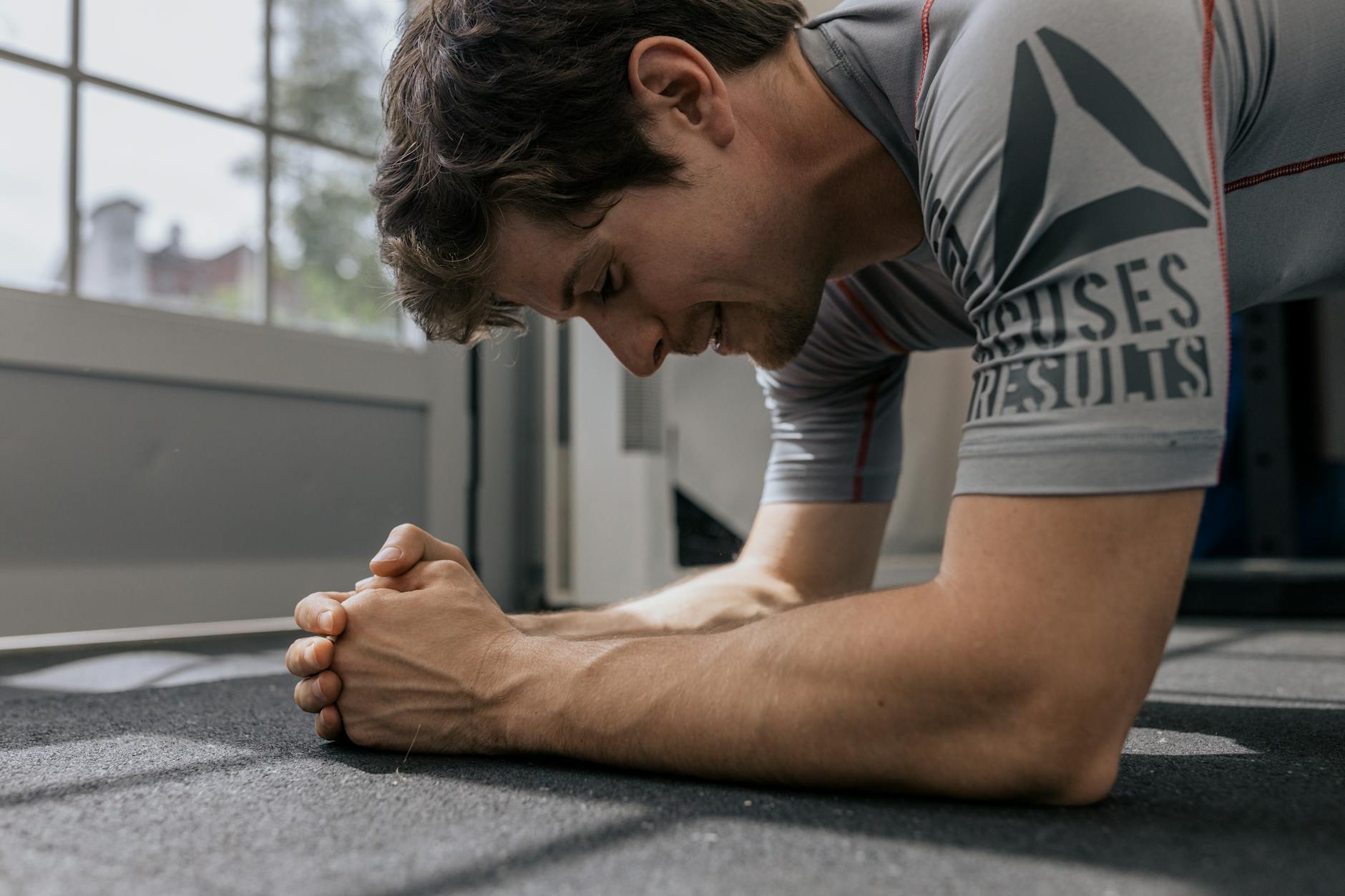
Beyond strengthening individual muscles, the sacroiliac joint benefits from integrated stability work that trains the muscles to coordinate with one another. Core stability exercises create a protective muscular “corset” around the spine and pelvis, reducing excessive movement at the sacroiliac joint. Newer research is exploring how core stability exercises, when combined with advanced mobilization techniques called Mulligan’s mobilization with movement, may enhance outcomes for sacroiliac joint dysfunction.
The appeal of stability-focused training is that it can be scaled to almost any fitness level. A person in early stages of mobility decline can begin with simple seated or supported exercises that activate the core without requiring balance or strength that isn’t yet present. As stability improves, exercises can be made more challenging by adding movement, resistance, or unstable surfaces. This progression is particularly valuable because it prevents the common trap of over-exerting and triggering a flare-up early in recovery.
The Synergy of Mobilization Techniques
While strengthening addresses muscle support, mobilization techniques address movement quality and joint mobility. Mulligan’s mobilization with movement is a hands-on technique that combines movement with gentle joint repositioning, and early research suggests it may be particularly effective when paired with core stability work. The logic is straightforward: a joint that can move through proper ranges of motion with good muscular support is more resilient than a stiff, unstable joint.
If you’re working with a physical therapist, mobilization techniques typically involve professional guidance and should not be attempted alone without instruction. For self-directed care, the emphasis should be on movement quality and consistency rather than aggressive stretching. Pain during a mobilization exercise is a signal to stop—unlike strength training where mild muscular fatigue is expected, mobilization work should feel relatively comfortable.
The Challenge of Diagnosis and Treatment Standardization
Despite decades of research, sacroiliac joint dysfunction remains challenging to diagnose consistently. There is currently no standardized international diagnostic criteria for sacroiliac joint dysfunction, which means that two healthcare providers might assess the same person differently and recommend different treatments. This limitation has real consequences: it means some people receive inappropriate care, or they bounce between providers without clear progress.
This diagnostic challenge underscores why a multi-modal approach works better than relying on a single intervention. Manipulation combined with specific sacroiliac joint exercises produces greater effectiveness than either treatment alone, according to research examining this question directly. In practical terms, this means that if you’re working with a healthcare provider, combining approaches—exercises plus manual therapy, if available—typically yields better results than exercises in isolation. It also means that if one approach isn’t working after several weeks, it’s worth trying a different combination rather than assuming the problem is unsolvable.
Combining Approaches for Optimal Results
The research consistently points to a conclusion that may seem obvious but is often missed: doing multiple things at once works better than doing one thing very well. All treatment groups in studies examining sacroiliac joint dysfunction showed significant pain reduction when measured on standard pain scales, but the groups receiving combined approaches—manipulation plus exercises, or core stability plus mobilization—showed the greatest improvements.
For someone beginning a sacroiliac strength program, this suggests working with a physical therapist or knowledgeable healthcare provider, at least initially, to ensure your exercise program is properly designed and progressing. A few sessions with a professional can accelerate your progress compared to self-directed work alone. Even if ongoing professional care isn’t accessible, combining multiple types of activity—strengthening, mobility work, and movement practice—is more effective than any single approach used in isolation.
Long-Term Maintenance and Future Outlook
Sacroiliac joint dysfunction is often a chronic condition, which means that while you can achieve significant pain reduction and improved function, ongoing maintenance exercises are typically necessary. This isn’t discouraging—it’s similar to maintaining other aspects of health, like dental care or cardiovascular fitness. The good news is that maintenance exercises don’t require the same intensity as initial rehabilitation. Many people find that 2-3 sessions of targeted exercises per week, combined with mindful movement habits during daily life, prevent flare-ups and maintain the gains they’ve achieved.
Looking forward, research continues to refine our understanding of sacroiliac joint dysfunction. Studies are increasingly examining how different populations—including older adults with mobility changes or cognitive decline—respond to specific interventions. As dementia care increasingly recognizes the connection between physical function and overall well-being, incorporating sacroiliac joint health into broader mobility and pain management strategies makes sense. The exercises that stabilize the sacroiliac joint also improve balance, reduce fall risk, and enhance overall movement confidence—benefits that matter deeply for individuals managing both cognitive and physical changes.
Conclusion
Sacroiliac joint strength can be improved through targeted exercise, with research demonstrating meaningful pain reduction and improved function over timeframes as short as three weeks. The five core approaches—strengthening the erector spinae and rectus abdominis, activating the gluteus maximus, building core stability, incorporating mobilization techniques, and combining multiple approaches—each contribute to comprehensive sacroiliac joint rehabilitation. While diagnosis and standardization remain challenging in this field, the evidence clearly supports exercise therapy interventions as a primary treatment strategy.
Your next step should be to consult with a physical therapist or qualified healthcare provider who can assess your specific situation and design a program tailored to your current function and goals. Even if professional oversight is limited, beginning with gentle core and gluteus strengthening, performed consistently over several weeks, can produce noticeable improvements. For individuals managing dementia or age-related mobility decline, these exercises offer the dual benefit of reducing pain while improving balance, stability, and movement confidence—benefits that extend far beyond the sacroiliac joint itself.