Sacroiliac joint dysfunction affects 10-25% of people experiencing low back pain, and doctors increasingly recognize that everyday habits—not just injuries—are major contributors to worsening this condition over time. The twelve habits covered in this article represent the most common daily movements and postures that stress the sacroiliac joint, gradually destabilizing the ligaments and muscles that hold it in place. Whether you’re dealing with existing SIJ pain or trying to prevent it from developing, understanding which everyday activities make the condition worse is essential for managing your long-term spinal health.
Women are more commonly diagnosed with sacroiliac joint dysfunction than men, likely due to hormonal factors during pregnancy and natural anatomical differences in pelvic structure. The good news is that most of these worsening habits can be modified with awareness and proper body mechanics. This article breaks down twelve specific everyday behaviors that doctors say aggravate SIJ dysfunction, explains the biomechanical reasons why each one causes problems, and provides practical alternatives for protecting your joint.
Table of Contents
- How Twisting Motions and Rotational Movements Stress the Sacroiliac Joint
- Backward Bending and Hyperextension of the Lumbar Spine
- Sleeping Position and the Impact of Side Sleeping on Joint Pressure
- Prolonged Sitting and Progressive Sacroiliac Joint Aggravation
- Loading Activities and High-Impact Movements
- Poor Posture and Body Mechanics in Daily Activities
- Hanging, Traction Activities, and Repetitive Forward Bending
- Conclusion
How Twisting Motions and Rotational Movements Stress the Sacroiliac Joint
Twisting at the waist is one of the most damaging movements for sacroiliac joint dysfunction because it forces the sacrum to rotate away from the pelvic bones (the ilia) in ways the joint’s ligaments were not designed to handle. When you twist your torso—whether reaching for something behind you, wringing out a towel, or turning to look over your shoulder repeatedly—the sacroiliac ligaments experience a shearing force that gradually loosens the joint’s natural stability. Over months and years, these small rotational stresses accumulate and contribute to progressive dysfunction.
This is particularly problematic in occupations that involve constant twisting, such as nursing, gardening, or assembly-line work. A nurse repeatedly turning to transfer patients or a gardener twisting to dig and plant can aggravate their SIJ dysfunction without realizing the specific movement is the culprit. The solution is not to avoid twisting entirely—which is unrealistic—but to rotate from the hips and knees while keeping your spine relatively stable, rather than generating the twist primarily from your waist.

Backward Bending and Hyperextension of the Lumbar Spine
Leaning backward—whether to reach something on a high shelf, to stretch your back, or while standing and talking—pushes the sacroiliac joint toward compression when you go past the neutral lumbo-sacral angle. Doctors note that backward bending creates compression in the lumbo-sacral area, the region where the lowest rib connects to your spine and where the sacroiliac joint is positioned just below. This compression narrows the space around the joint and increases pressure on the ligaments and cartilage.
Many people instinctively arch backward when they feel tight, thinking it will help them stretch, but for sacroiliac joint dysfunction, this habit actually worsens the problem. If you feel the urge to arch your back or lean backward, try instead to engage your core gently and allow your pelvis to tilt forward slightly, which decompresses the joint. Activities like yoga poses that emphasize backward bending should be approached carefully, and some traditional stretches may need to be modified or avoided entirely.
Sleeping Position and the Impact of Side Sleeping on Joint Pressure
Side sleeping places direct continuous pressure on the sacroiliac joint on whichever side you’re lying on throughout the night, sometimes for 6-8 hours without relief. Unlike twisting or bending, which are brief moments of stress, side sleeping creates sustained pressure that can accumulate over years, gradually stressing the joint’s supporting ligaments. Medical guidelines recommend back sleeping with a pillow under your knees as the preferred position for sacroiliac joint dysfunction, because this position distributes your weight evenly across both joints and prevents the unilateral pressure that side sleeping creates.
If you’ve been a side sleeper for years, switching positions may feel uncomfortable initially. The pillow under your knees serves an important purpose: it slightly flexes your hips and relieves tension on the lumbar spine and sacroiliac joints. Some people find success with a body pillow or wedge pillow placed between their knees if they do side sleep, though back sleeping with knee support remains the preferred position for protecting the joint long-term.

Prolonged Sitting and Progressive Sacroiliac Joint Aggravation
Sitting for extended periods—whether at a desk, in a car, or on a couch—aggravates sacroiliac joint pain over time because it maintains a position that often tilts the pelvis backward, reducing the support your ligaments provide to the joint. The longer you sit, the more this posterior pelvic tilt increases, and the more stress is transferred directly to the sacroiliac ligaments. For office workers, remote workers, and anyone with a sedentary job, this habit may be the single largest contributor to worsening SIJ dysfunction without their awareness.
Breaking up sitting into shorter intervals and standing or walking for a few minutes every 30-45 minutes helps reset the pelvis and reduces accumulated stress. When you must sit, using a small lumbar support pillow or adjusting your chair height to keep your hips slightly higher than your knees can help maintain a more neutral pelvic position. Standing desks, adjustable workstations, or simply taking a walk around the office at regular intervals can prevent the progressive worsening that prolonged sitting causes.
Loading Activities and High-Impact Movements
Walking, climbing stairs, standing upright for long periods, and any activities involving uneven weight distribution all load the sacroiliac joint. For those with dysfunction, repetitive loading with an uneven or asymmetrical gait—such as favoring one leg, limping, or walking with poor posture—gradually worsens the condition. High-impact activities like running, jumping, or intense exercise that involves landing with force can create acute spikes in joint stress, even if the person recovers from the pain afterward.
Importantly, complete avoidance of loading activities is neither necessary nor desirable, as appropriate movement strengthens the supporting muscles. The key is to identify which specific loading activities worsen your symptoms and modify how you perform them. Walking on a level surface with good posture and even weight distribution is typically tolerable, whereas walking uphill, climbing many stairs, or carrying heavy loads asymmetrically (on one shoulder, for example) will likely aggravate the joint. This is a case where listening to your body and modifying intensity, duration, or technique matters more than eliminating the activity entirely.

Poor Posture and Body Mechanics in Daily Activities
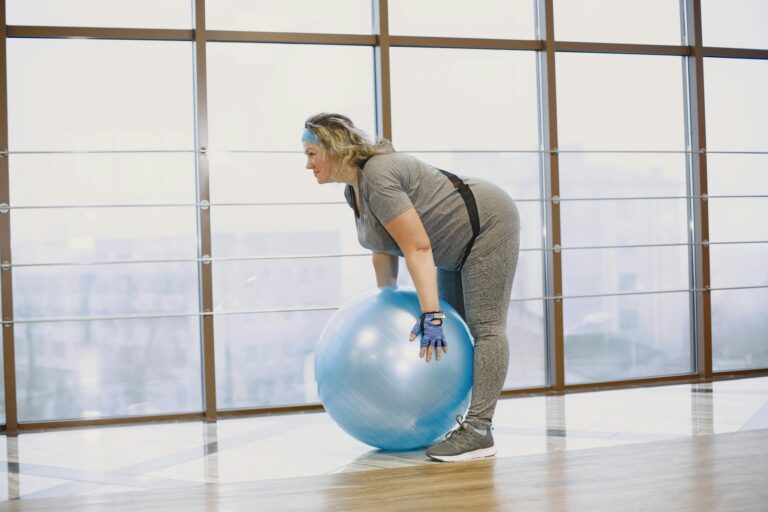
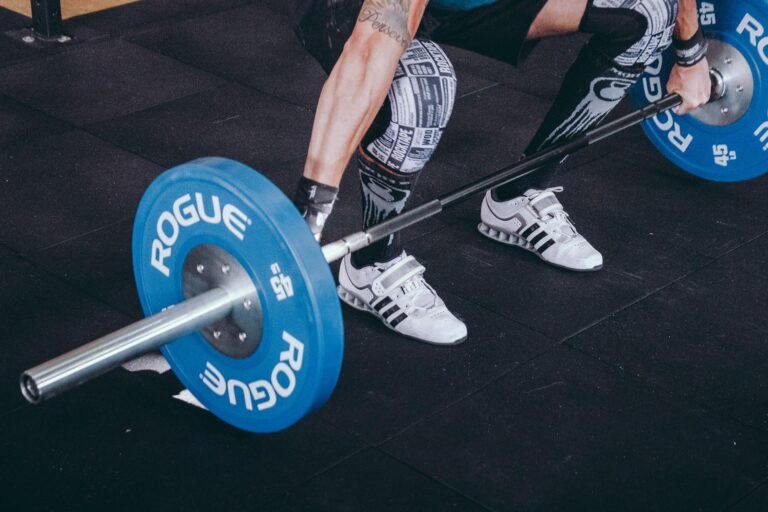
How you move during everyday tasks—lifting groceries, bending to pick up items, reaching across your body, or adjusting your position throughout the day—directly contributes to sacroiliac joint dysfunction. Poor body mechanics mean you’re relying on ligament stress rather than muscle support to stabilize the joint. When you lift with your arms extended rather than keeping objects close to your body, bend with a rounded spine rather than hinging at the hips, or reach across your body with a twisted spine, you’re placing excessive load on the sacroiliac joint’s passive structures.
Retraining how you perform these basic movements is one of the most impactful changes you can make. Keeping objects close to your body when lifting, bending from your hips rather than rounding your spine, and avoiding reaching motions that require spinal rotation all reduce joint stress. Physical therapy focusing on pelvic girdle stabilization addresses these movement patterns by strengthening the abdominal, gluteal, and pelvic floor muscles that should be doing the work rather than relying on ligaments.
Hanging, Traction Activities, and Repetitive Forward Bending
Hanging by your arms or feet—whether on a pull-up bar, during certain exercise routines, or in activities like rope climbing—creates lumbo-pelvic traction that stresses the sacroiliac ligaments as they’re pulled and stretched. Similarly, repetitive forward bending, such as in activities that involve reaching to the ground frequently or occupations requiring constant bending (cleaning, gardening, dock work), gradually aggravates the joint through cumulative microtrauma.
Some people use inversion tables thinking they’ll decompress their spine, but this can actually aggravate sacroiliac dysfunction because the traction stresses the ligaments more than it helps. Repetitive forward bending should be modified by taking frequent breaks, keeping your core engaged, and varying your activities to avoid sustained stress on the joint. If your work or hobby involves repetitive forward bending, scheduling counter-movements that gently extend the hip (like standing and walking) can help balance the accumulated stress.
Conclusion
The 12 everyday habits that worsen sacroiliac joint dysfunction share a common theme: they all either create inappropriate rotational forces, compress the joint, place sustained pressure on one side, or bypass the muscles that should stabilize the joint in favor of stressing the passive ligaments. The encouraging news is that because these are everyday habits—not inherited conditions or unavoidable consequences of aging—you can modify them. Awareness is the first step; recognizing which of your daily movements and postures are aggravating your joint allows you to make intentional changes.
If you have sacroiliac joint dysfunction or suspect you’re developing it, physical therapy with a focus on pelvic girdle stabilization and muscle strengthening offers an evidence-based path forward. The goal is not to eliminate all stress on the joint, but to shift the load from the ligaments to the muscles that were designed to provide stability: your abdominals, pelvic floor, gluteal muscles, and deep core stabilizers. Paired with modifications to your daily habits, a targeted exercise program can reduce pain, improve function, and prevent the progressive worsening that untreated SIJ dysfunction often causes.