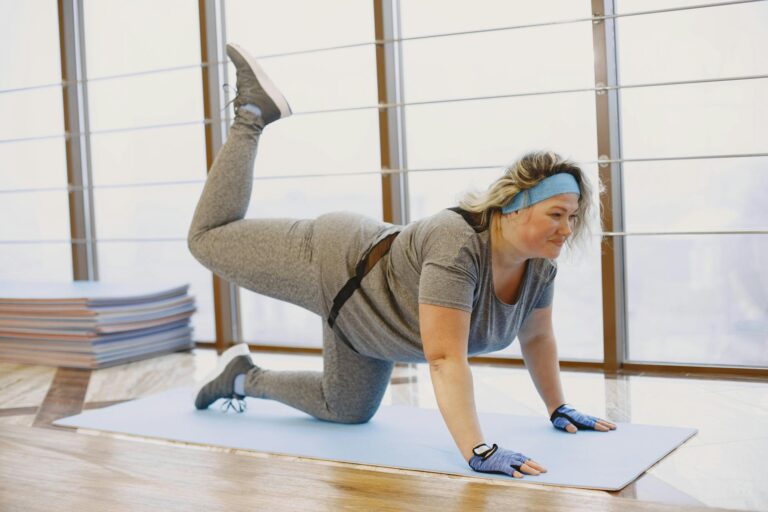
If you have been diagnosed with sacroiliac joint dysfunction, or suspect your chronic low back pain originates from the SI joint, the habits most likely making it worse are ones you barely think about. Prolonged sitting, crossing your legs, sleeping on your stomach, carrying a bag on one shoulder, and slouching at your desk are among the twelve everyday behaviors that doctors and physical therapists consistently identify as aggravators. The SI joint is responsible for 15 to 30 percent of all chronic low back pain cases, and approximately 25 percent of adult patients with persistent low back pain have SI joint dysfunction as the underlying cause, according to data published in StatPearls and the American Academy of Family Physicians. That means millions of people are dealing with this problem, and many of them are unknowingly feeding it through routine movements and postures they repeat every single day.
Consider someone who works a desk job, drives 40 minutes each way, and unwinds on the couch in the evening. That person may spend 12 or more hours a day seated, often with legs crossed and posture slowly collapsing forward. Each of those hours compounds the strain on a joint that was already irritated. This article walks through all twelve habits that physicians flag as problematic, explains why each one matters biomechanically, and offers practical guidance on what to do instead. We also cover the key risk factors, the role of core and gluteal strengthening in rehabilitation, and how to tell when a habit change alone is not enough.
Table of Contents
- What Are the Most Common Sitting Habits That Aggravate SI Joint Dysfunction?
- How Sleeping Position and Pocket Items Secretly Stress the SI Joint
- How Carrying Habits and Footwear Choices Increase SI Joint Strain
- Why Lifting Technique and Sudden Movements Matter More Than You Think
- The Overlooked Role of Prolonged Standing, Impact Activities, and Pelvic Asymmetry
- Who Is Most at Risk and When Habit Changes Are Not Enough
- Building Sustainable Habits for Long-Term SI Joint Health
- Conclusion
- Frequently Asked Questions
What Are the Most Common Sitting Habits That Aggravate SI Joint Dysfunction?
Three of the twelve habits doctors warn about involve how you sit, which makes sense given how much of modern life takes place in a chair. Prolonged sitting tops the list. Hours spent at a desk, in a car, or on a couch lead to tight hip flexors, weakened gluteal muscles, and poor posture, all of which erode the muscular support the SI joint depends on. The joint itself has very little inherent mobility. It relies on the surrounding muscles and ligaments to hold it stable, so when those tissues become shortened or deconditioned from disuse, the joint absorbs forces it was never designed to handle alone. Crossing your legs while seated is the second major offender. It seems harmless, but placing the knee of one leg on the opposite thigh torques the pelvis and pulls one hip in the opposite direction.
According to clinicians at UnityPoint Health, this can tilt the hip backward and cause it to become “stuck” at the SI joint, weakening the gluteus on that side over time. People who cross the same leg habitually develop a measurable asymmetry in pelvic alignment. The third sitting habit is slouching. Sitting with a rounded lower back places direct pressure on the SI joint and worsens existing pain. Spine-Health recommends sitting upright with shoulders relaxed, feet flat on the floor, and some form of lumbar support behind the lower back. A rolled-up towel works if you do not have an ergonomic chair. The common thread among all three habits is that they compromise pelvic symmetry and muscular engagement, and they are easy to fall into without realizing it.
How Sleeping Position and Pocket Items Secretly Stress the SI Joint
What you do in bed matters almost as much as what you do at your desk. Sleeping on your stomach forces the lumbar spine into excessive extension and rotates the pelvis in ways that strain the SI joint throughout the night. doctors at Atlas Pain Specialists and PainTEQ recommend back sleeping with a pillow under the knees, which keeps the pelvis in a neutral position, or side sleeping with a pillow between the legs to prevent the top leg from pulling the pelvis out of alignment. If you have been a lifelong stomach sleeper, the transition can be uncomfortable for the first week or two, but most patients report noticeable improvement in morning stiffness once they adjust. A less obvious aggravator is sitting on a wallet, phone, or anything else in your back pocket.
Even a slim wallet creates uneven loading across the pelvis, tilting one hip slightly higher than the other. Serola Biomechanics and physical therapists at Elite Sports Waco both flag this as a sneaky contributor to SI joint flare-ups. The asymmetry may be small, a few millimeters at most, but over hours of sitting it adds up. However, if you only sit briefly and stand frequently throughout the day, this particular habit may not be a significant issue for you. The people most affected are those who combine a wallet in the back pocket with long driving commutes or desk-bound work, where the uneven pressure is sustained for hours without relief.
How Carrying Habits and Footwear Choices Increase SI Joint Strain
Carrying a heavy bag on one shoulder is one of the easiest habits to fix and one of the most commonly ignored. Research cited by Action Sport Physio shows that carrying as little as ten extra pounds on one side causes the trunk to tilt sideways to compensate, placing uneven stress across the lower back and SI joint. Think of a teacher hauling a loaded tote on the same shoulder every day, or a commuter with a heavy laptop bag slung over the left side for a 20-minute walk. Over weeks and months, the body adapts to the imbalance in ways that reinforce pelvic asymmetry. Switching to a backpack with both straps used, or at least alternating shoulders regularly, makes a real difference. Footwear plays a parallel role.
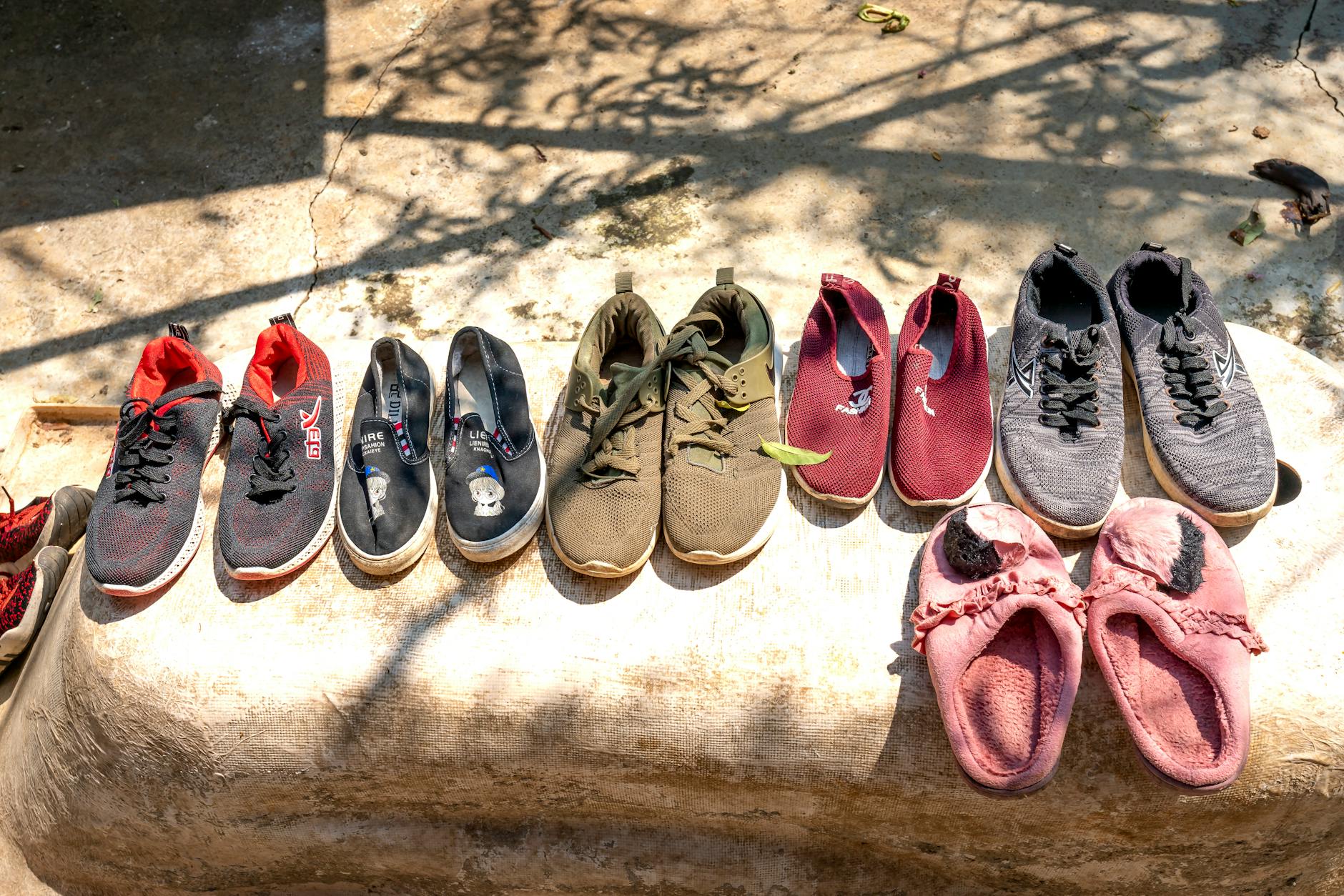
Wearing high heels tilts the pelvis forward, increasing the lumbar curve and adding stress to the SI joint. Mass General Brigham’s sports medicine group identifies this as a common trigger for SI joint flare-ups. But heels are not the only problem. Shoes with worn-out or unevenly degraded soles create a similar effect from the ground up, because one foot strikes the ground differently than the other. A person who runs in shoes that have lost their cushioning on one side, for example, is effectively introducing a pelvic tilt with every stride. Replacing worn shoes and choosing supportive, flat-soled footwear during flare-ups is one of the cheapest interventions available.
Why Lifting Technique and Sudden Movements Matter More Than You Think
Improper lifting technique is one of the most common traumatic causes of SI joint dysfunction, according to StatPearls. Bending at the waist to pick up a heavy object, or twisting while lifting, concentrates force directly through the SI joint rather than distributing it across the hips and legs. The classic example is someone who lifts a heavy box out of a car trunk by leaning over the bumper and rotating. That combination of forward flexion and rotation is almost perfectly designed to destabilize the SI joint. The fix is straightforward but requires conscious effort: bend at the knees, keep the object close to the body, and avoid rotating the trunk while loaded.
Rapid twisting and overhead reaching present a related but distinct problem. Turning quickly to grab something behind you, or reaching sideways for an item on a high shelf, can destabilize the SI joint during a flare-up when the surrounding ligaments are already lax or inflamed. PainTEQ and PlatinumLED Therapy Lights both recommend avoiding sudden rotational movements during active episodes. The tradeoff here is between caution and functionality. You cannot avoid all twisting forever, but during acute flare-ups, slowing down and turning your whole body rather than just your torso can prevent a minor episode from becoming a major one. Once the flare subsides and you have rebuilt some stability through targeted exercise, normal movement patterns can gradually resume.
The Overlooked Role of Prolonged Standing, Impact Activities, and Pelvic Asymmetry
Prolonged sitting gets most of the attention, but prolonged standing is nearly as problematic for the SI joint. Standing for long stretches, particularly with poor posture or on hard surfaces like concrete, places sustained compressive and shear stress on the pelvis. Physiopedia and the AAFP both list prolonged standing as a recognized aggravator. People in professions that require hours on their feet, such as retail workers, surgeons, and line cooks, often develop SI joint issues that do not respond to the usual “sit less” advice. For these individuals, anti-fatigue mats, supportive shoes, and periodic weight-shifting or seated breaks are essential. The warning here is that simply replacing sitting with standing, as many people do with standing desks, does not solve the problem if you are trading one static posture for another.
High-impact activities and jumping introduce a different kind of stress: acute and repetitive mechanical loading. Running, jumping rope, tennis, and golf all involve either landing forces or rotational torques that disturb the delicate balance the SI joint needs to remain stable. BraceAbility and Better Health Alaska recommend substituting low-impact activities like swimming, cycling, or walking during flare-ups. Finally, the habit of leaning or favoring one side, whether while standing in line, sitting at a desk, or lying in bed, creates chronic pelvic asymmetry. Serola Biomechanics and CHRISTUS Health both emphasize keeping weight evenly distributed and hips level as a baseline recommendation. This sounds simple, but most people have a dominant lean they are not aware of until someone points it out.
Who Is Most at Risk and When Habit Changes Are Not Enough
Risk factors for SI joint dysfunction include female sex, pregnancy, prior lumbar fusion surgery, obesity, and occupational or athletic overuse. Women are more susceptible in part because of hormonal changes during pregnancy that loosen the ligaments around the SI joint, and those ligaments do not always return to their previous tension after delivery. People who have had lumbar spinal fusion are also at elevated risk because the fused segments transfer more mechanical stress to the SI joint below. If you fall into one or more of these categories, the twelve habits described here carry even more weight, and early intervention through physical therapy and habit modification is worth pursuing before the condition becomes chronic.
However, habit modification alone has limits. When pain persists despite consistent posture correction, ergonomic changes, and activity modification, conservative treatment should expand to include pelvic stabilization exercises, focused stretching, and manipulative therapy. Core and gluteus strengthening, particularly of the gluteus medius, are central to rehabilitation, according to the AAFP and research published in PMC. A physical therapist can assess whether the joint is hypermobile or hypomobile and tailor the program accordingly, because the wrong exercises for the wrong type of dysfunction can make things worse.
Building Sustainable Habits for Long-Term SI Joint Health
The most effective approach to managing SI joint dysfunction is not a single dramatic change but a collection of small, consistent adjustments that become automatic over time. Removing the wallet from the back pocket, switching to a backpack, setting a timer to stand and move every 30 minutes, and placing a pillow between the knees at night are individually minor but collectively powerful. The research supports this: conservative treatment combining patient education, stabilization exercises, and targeted stretching produces meaningful improvement for most patients without the need for injections or surgery. Looking ahead, awareness of SI joint dysfunction is growing among primary care physicians and orthopedists, which means earlier diagnosis and better-targeted treatment plans.
For readers of this site who are managing dementia care alongside their own physical health, the connection between chronic pain and cognitive load is worth noting. Persistent pain disrupts sleep, reduces physical activity, and increases stress, all of which are established risk factors for cognitive decline. Addressing SI joint dysfunction is not just about back pain. It is about preserving the physical foundation that supports brain health and overall quality of life.
Conclusion
The twelve habits outlined here, from prolonged sitting and crossed legs to improper lifting and high-impact exercise, share a common mechanism. They either compress the SI joint asymmetrically, weaken the muscles that stabilize it, or both. Because these are everyday behaviors rather than rare events, their cumulative effect over weeks and months can be substantial. The good news is that most of them are modifiable without equipment, cost, or medical intervention.
Awareness is the first step, and deliberate correction is the second. If you are dealing with chronic low back pain and have not been evaluated for SI joint dysfunction, bring it up with your physician, especially given that this joint accounts for up to 30 percent of chronic low back pain cases. For those already diagnosed, the combination of habit modification, core and gluteal strengthening, and professional guidance from a physical therapist offers the best path forward. Small daily changes sustained over time produce results that no single treatment session can match.
Frequently Asked Questions
How do I know if my low back pain is coming from the SI joint rather than my spine?
SI joint pain typically presents as one-sided pain in the lower back or buttock that may radiate into the groin or upper thigh but rarely travels below the knee. Your physician can perform specific provocation tests, such as the FABER test or Gaenslen test, to help isolate the SI joint as the source. Imaging alone is often insufficient for diagnosis.
Can SI joint dysfunction affect people who exercise regularly?
Yes. In fact, high-impact activities like running, jumping, tennis, and golf can aggravate the SI joint through repetitive loading and rotational forces. Exercise is beneficial, but the type of exercise matters. During flare-ups, switching to low-impact options like swimming or walking is recommended.
Is a standing desk better than sitting for SI joint pain?
Not necessarily. Prolonged standing places its own sustained stress on the SI joint, particularly on hard surfaces. The best approach is alternating between sitting and standing throughout the day, with regular movement breaks, rather than committing to either position for hours at a time.
How long does it take for habit changes to reduce SI joint pain?
Most patients notice some improvement within two to four weeks of consistent habit modification combined with targeted stretching and strengthening exercises. However, this varies depending on the severity of the dysfunction, the presence of other risk factors, and how consistently the changes are maintained.
Should I wear a sacroiliac belt?
SI belts can provide temporary stabilization during acute flare-ups and may help with pain management during activities. However, they are not a long-term solution. Over-reliance on a belt can lead to further weakening of the muscles that should be supporting the joint. Use it as a bridge while building strength through targeted exercise.