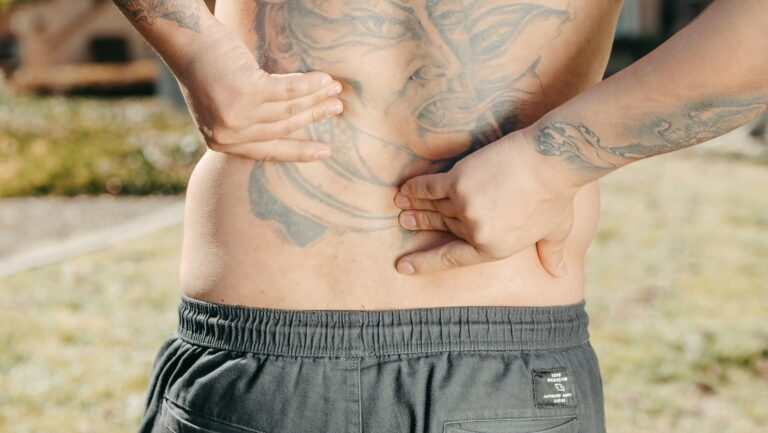
Chronic spine pain affects millions of Americans, and doctors regularly diagnose eleven primary causes that account for the vast majority of persistent back and neck discomfort. These causes fall into several categories: muscle and disc problems like strain and degenerative changes, structural issues such as stenosis and bone abnormalities, inflammatory arthritis conditions, and nerve compression disorders. The statistics are sobering—39% of U.S. adults experienced back pain in the past three months alone, while 8 out of 10 Americans will deal with some form of back pain during their lifetime.
For about 8% of the population, this pain becomes chronic, persisting beyond the typical healing period and significantly affecting quality of life. Understanding which specific diagnosis you or a loved one has matters tremendously because each cause responds differently to treatment. A herniated disc causing nerve compression may require entirely different management than age-related spinal narrowing, and muscle strain looks nothing like rheumatoid arthritis from a treatment perspective. This article walks through all eleven commonly diagnosed causes, explaining what happens in the spine with each condition, who’s most likely to develop it, and why doctors distinguish between them when determining treatment.
Table of Contents
- What Are the Most Frequently Diagnosed Causes of Chronic Spine Pain?
- Structural Narrowing and Age-Related Changes in the Spine
- Disc Herniations and Nerve Compression Syndromes
- Skeletal Deformities and Inflammatory Arthritis of the Spine
- Widespread Pain Syndromes and Their Unique Challenges
- Risk Factors That Make Chronic Spine Pain More Likely to Develop
- Modern Treatment Approaches and Comorbidity Patterns
- Conclusion
What Are the Most Frequently Diagnosed Causes of Chronic Spine Pain?
The two most common causes doctors identify are muscle strain combined with general deconditioning, and degenerative changes in the discs themselves. Muscle strain doesn’t require an injury—it develops gradually when people have low physical activity, poor posture over extended periods, or sudden demands placed on weak back muscles. Deconditioning is essentially what happens when the muscles supporting the spine lose strength and endurance. Unlike dramatic injuries, these conditions sneak up silently. A person might notice discomfort after sitting at a desk all day, or pain that worsens over weeks as the supporting muscles weaken further.
Degenerative disc disease represents the natural aging of the spine’s shock absorbers. The discs between vertebrae are filled with a gel-like substance that gradually loses hydration and elasticity over time—think of a sponge that can’t hold water as effectively. As the disc dries out and shrinks, it can no longer cushion the vertebrae properly. This process is far more common in older adults, though it can begin decades before symptoms appear. The tricky part is that having degenerative changes doesn’t always mean someone will experience pain; many people develop the condition silently until something tips them toward actual symptoms.

Structural Narrowing and Age-Related Changes in the Spine
Spinal stenosis—narrowing of the spinal canal—becomes increasingly prevalent as people age. The same degenerative processes that affect discs also affect the bones and ligaments surrounding the spinal cord. When the canal narrows, it reduces the space available for nerves, creating pain, tingling, or weakness, particularly in the legs. However, it’s important to note that mild stenosis visible on imaging doesn’t always cause pain. Some people have significant narrowing without symptoms, while others experience substantial discomfort with only minor stenosis.
Doctors pay attention to whether the imaging findings match the patient’s actual symptoms before committing to treatment. Osteoarthritis of the spine—medically called facet arthropathy—is the most common type of arthritis affecting the lower back. The facet joints are the small joints between vertebrae, and like all joints, they can develop arthritis as cartilage wears away. This particularly affects older adults and can coincide with other spinal problems. Cervical spondylosis refers specifically to degenerative changes in the neck region of the spine, causing pain, stiffness, and sometimes radiating symptoms down the arms. These conditions tend to progress slowly, and early intervention with physical activity and appropriate exercises often provides better long-term outcomes than waiting for the problem to worsen.
Disc Herniations and Nerve Compression Syndromes
When an intervertebral disc herniates—meaning the gel-like center bulges through the outer layer—it can directly compress nearby nerves and cause significant pain, numbness, or tingling that radiates down the leg or arm. Interestingly, disc herniation is more common in younger individuals than in older adults, though the risk peaks in people’s 40s and 50s. A specific bulging disc might cause intense symptoms in one person and no symptoms at all in another, depending on exactly where it’s positioned relative to nearby nerve roots and how much inflammation surrounds it.
Piriformis syndrome represents a particular nerve compression problem where the piriformis muscle in the buttocks tightens or spasms, compressing the sciatic nerve running underneath it. Many people with lower back and leg pain are actually experiencing referred pain from piriformis syndrome rather than a true spine problem. Physical therapists specifically target this muscle, and relief often comes from targeted stretching and strengthening rather than spinal interventions—a key distinction that changes treatment entirely.
Skeletal Deformities and Inflammatory Arthritis of the Spine
Abnormal curvatures of the spine—scoliosis (side-to-side curves) or kyphosis (forward rounding)—can develop in childhood or progress with age. These structural changes alter how loads distribute through the spine and can gradually create chronic pain as one side bears more stress than the other. The treatment approach varies dramatically depending on the severity and whether the curve is still progressing. Mild curves often respond well to specific exercises, while more severe cases may require specialized interventions.
Osteoporotic compression fractures occur when weakened bones lose structural integrity and the vertebrae actually collapse slightly. This is far more common in older adults, particularly postmenopausal women, and can happen from minimal trauma—even a fall from standing height or forceful coughing. Rheumatoid arthritis is an inflammatory condition where the immune system attacks joint linings, and when it affects the spine, it creates different treatment priorities than mechanical spine problems. Anti-inflammatory medications become central to management, and early treatment can actually slow progression, making early diagnosis crucial.
Widespread Pain Syndromes and Their Unique Challenges
Fibromyalgia creates widespread musculoskeletal pain throughout the body, not just the spine, and involves altered pain processing in the nervous system. People with fibromyalgia often have normal spine imaging but experience severe pain nonetheless.
The condition requires a different treatment philosophy than structural spine problems—physical therapy helps, but so do sleep optimization, stress management, and sometimes medications that affect how the brain processes pain signals. Many people with fibromyalgia also develop concurrent spine problems, creating a complex picture that requires careful sorting out.

Risk Factors That Make Chronic Spine Pain More Likely to Develop
Certain lifestyle and occupational factors substantially increase the risk of developing chronic spine pain. Low physical activity stands as one of the strongest predictors—the less people move, the weaker their supporting muscles become and the more vulnerable the spine is to injury and degeneration.
Smoking damages disc health by reducing blood flow to the spine and accelerating degenerative changes. Obesity increases mechanical stress on the spine, and high physical stress at work—particularly jobs involving heavy lifting, repetitive bending, or prolonged awkward postures—dramatically increases risk. It’s worth noting that addressing these risk factors, particularly increasing physical activity, often provides relief even when underlying structural problems remain present.
Modern Treatment Approaches and Comorbidity Patterns
Recent advances have shifted how doctors approach chronic spine pain. FDA clearance of virtual reality programs using “pain distraction therapy” now offers a mechanism to help the brain down-regulate pain signals, complementing traditional physical therapy. The modern understanding recognizes that spine pain isn’t purely mechanical—it involves the nervous system’s processing of pain signals, affected by stress levels, sleep quality, physical movement patterns, and even nutrition. This biopsychosocial approach explains why two people with identical spine imaging can have vastly different pain experiences and responses to treatment.
Research shows that nearly all people with chronic severe back pain report at least one coexisting health problem, most commonly arthritis, other musculoskeletal conditions, anxiety, or depression. These comorbidities aren’t just complications—they actively worsen pain processing and complicate treatment. Someone with both chronic spine pain and depression, for instance, may need depression treatment to truly improve their pain outcomes. This overlap underscores why chronic spine pain requires comprehensive assessment and coordinated care across multiple domains.
Conclusion
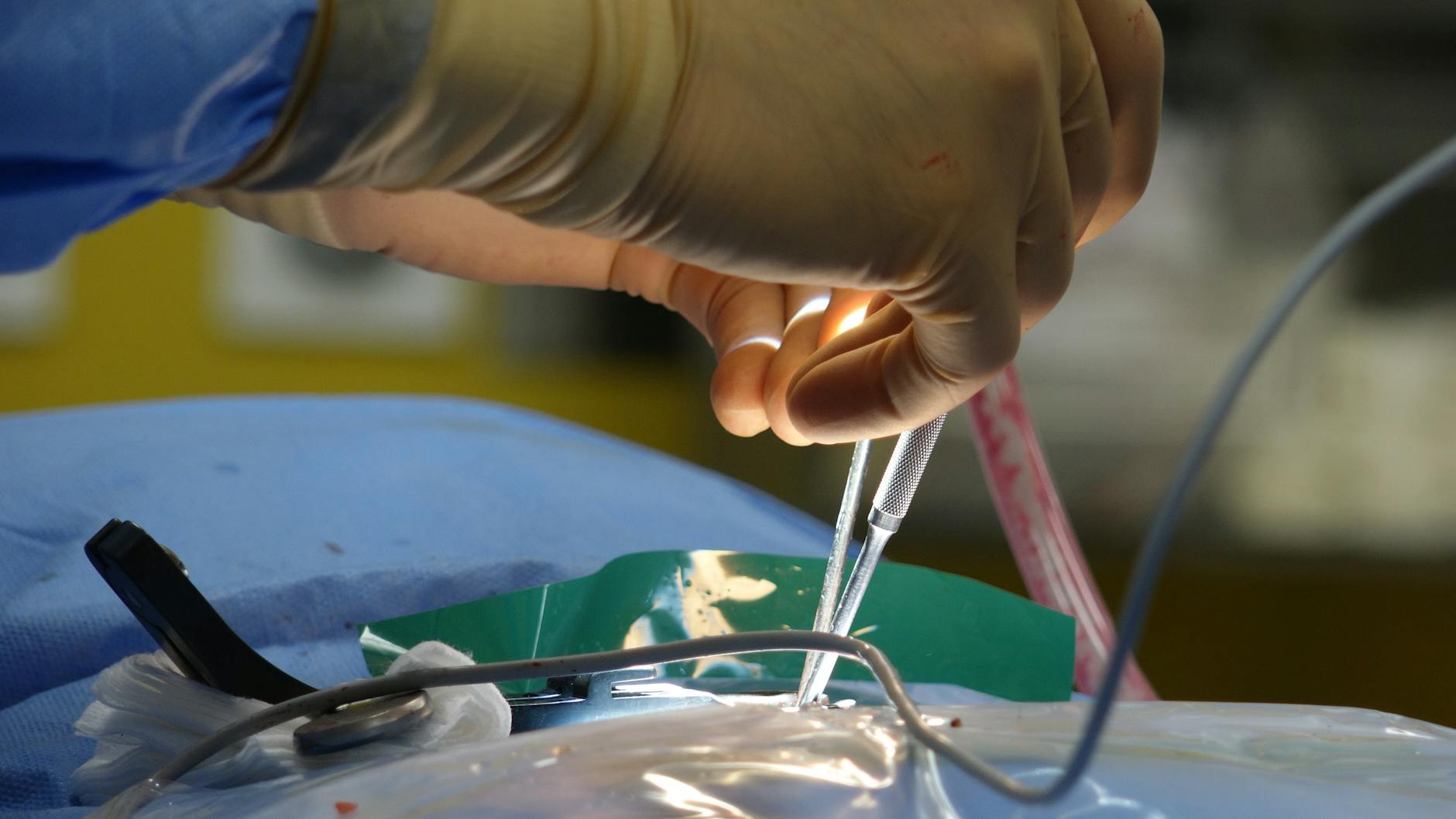
The eleven causes of chronic spine pain that doctors diagnose frequently represent distinct mechanisms requiring different treatment strategies. Some, like muscle strain and deconditioning, respond well to targeted exercise and movement. Others, like inflammatory arthritis, require medication management. Still others, like nerve compression from herniated discs, may benefit from specific physical therapy techniques or, occasionally, other interventions.
The key to better outcomes lies in accurate diagnosis—distinguishing which specific cause or combination of causes is driving a person’s symptoms. If you’re experiencing chronic spine pain, working with healthcare providers to identify the underlying cause should be your first step. Modern treatment approaches recognize that pain involves the whole nervous system, not just the spine itself, and combine physical rehabilitation with attention to sleep, stress, mental health, and overall lifestyle factors. Many causes respond best to early intervention before secondary problems develop, making evaluation sooner rather than later a worthwhile investment in long-term spinal health.