Spine specialists want you to understand that most disc injuries are not the catastrophic conditions many people fear. The vast majority—more than 90%—can be managed without surgery, and many people with disc herniations experience no symptoms at all and require no treatment whatsoever. Consider the case of a 55-year-old woman who had an MRI showing a bulging disc in her lower back; her doctor found no nerve damage, no weakness, and no loss of function. She didn’t need pills, injections, or surgery—just time and smart movement. This article covers what spine specialists actually want patients to know: how disc injuries happen, why surgery is rarely necessary, what recovery really looks like, and how to protect your spine going forward.
Disc injuries are remarkably common. Lumbar disc herniation occurs in around 2-3% of the population, but that statistic doesn’t tell the whole story. Many people have herniated discs and never know it. The disconnect between imaging findings and actual symptoms is one of the most important things specialists wish patients understood. An MRI might show a disc problem, but your body might handle it just fine without intervention.
Table of Contents
- Why Most Disc Herniations Don’t Need Surgery
- The Conservative Treatment Approach That Works Best
- Minimally Invasive Options When Surgery Is Needed
- Posture, Positioning, and Daily Habits That Protect Your Spine
- Warning Signs That Require Immediate Attention
- The Modern Biopsychosocial Approach to Disc Injury
- The Future of Disc Injury Care
- Conclusion
Why Most Disc Herniations Don’t Need Surgery
Spine surgeons spend a lot of their time explaining why they’re *not* recommending surgery. Surgical intervention is only recommended when there is progressive and significant weakness of the lower extremities or when cauda equina syndrome is present—a serious condition where nerve compression threatens bowel and bladder function. If you don’t have those specific warning signs, surgery is almost certainly not necessary. Even patients with moderate pain and nerve symptoms improve better with conservative care than with early surgical intervention. The reason conservative treatment works so well is that the body has natural healing mechanisms.
Around 3 months after a disc injury, spontaneous resorption of the herniated material occurs—your body essentially reabsorbs the protruding disc tissue. This biological process often resolves symptoms even without active treatment. Pain from minor spinal injuries typically resolves within 4-6 weeks with conservative care, which includes rest, activity modification, anti-inflammatory medications, and physical therapy. However, if you have severe, progressive neurological symptoms—like rapidly worsening leg weakness or loss of bowel/bladder control—don’t wait. Those situations do require urgent evaluation and may need surgical intervention.

The Conservative Treatment Approach That Works Best
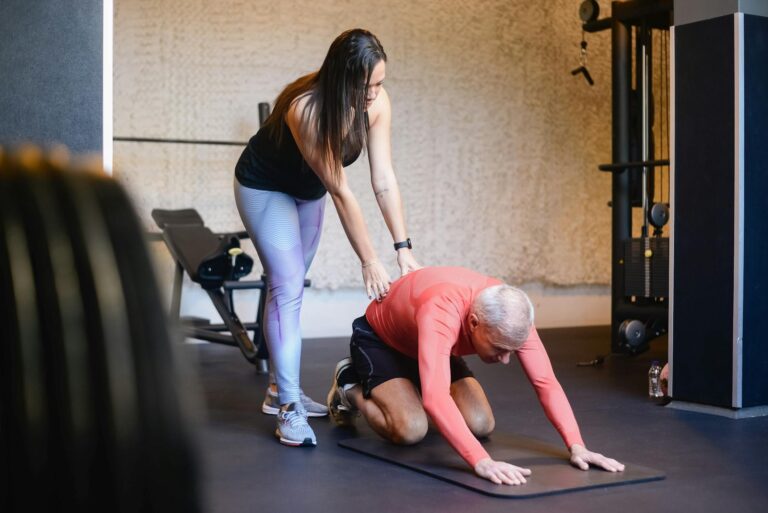
Physical therapy is the evidence-based gold standard for most disc injuries. Studies show that the majority of herniated discs respond best to physical therapy, with significant improvement occurring within 4-6 weeks. A physical therapist will design a program specific to your injury, focusing on core strengthening, proper movement patterns, and gradual return to activity. This is not passive—you’re actively rebuilding strength and stability around the spine.
NSAIDs and other analgesics are recommended for initial management when neurological deficits are not present. Over-the-counter medications like ibuprofen can reduce inflammation and allow you to move and participate in physical therapy, which accelerates healing. However, if you’ve had the disc injury for several weeks and pain hasn’t improved with medication and therapy, this is when to consult a spine specialist. If symptoms persist beyond 3 months despite conservative care, more intensive treatment such as epidural steroid injections or surgery may become necessary. Epidural steroid injections can provide short-term pain relief lasting 2-4 weeks in a proportion of patients with lumbar disc herniations with radiculopathy, giving you a window to continue physical therapy and rehabilitation.
Minimally Invasive Options When Surgery Is Needed
If surgery does become necessary, you have options beyond traditional open surgery. Advanced minimally invasive techniques lead to smaller incisions, less pain, and faster recovery times than traditional surgery. this matters because even when surgery is justified, less invasive approaches mean you get back to your life sooner.
A minimally invasive discectomy might require only a 1-2 inch incision compared to the 3-4 inches needed for open surgery. The comparison between minimally invasive and open surgery is straightforward: both remove the problematic disc material, but the smaller approach means less tissue trauma, less bleeding, and less post-operative pain. However, not all disc injuries are suitable for minimally invasive techniques, and your surgeon will determine what’s appropriate based on the location and size of the herniation. If you’re being recommended for surgery, ask your surgeon specifically whether a minimally invasive approach is an option for your situation.

Posture, Positioning, and Daily Habits That Protect Your Spine
One of the easiest things specialists recommend is changing how you sit and move. Proper body mechanics—the correct ways to perform daily tasks and lift objects—can protect the spine from further injury. This means bending at your knees, not your waist, when lifting; sitting with your back supported by a chair; and avoiding twisting motions that strain the disc. These aren’t dramatic changes; they’re small adjustments that compound over time.
Avoid sitting for more than 30-40 minutes at a time, as prolonged sitting can worsen nerve irritation. If your job requires sitting, set a timer and stand, stretch, or walk every half hour. Maintaining a healthy weight also reduces stress on the spine—excess weight loads the lower back with additional force that discs must support. The combination of proper positioning, regular movement breaks, and weight management creates an environment where your spine can heal and stay healthy.
Warning Signs That Require Immediate Attention
Not all back pain is equal, and specialists want you to know the red flags. Seek immediate care if you experience sudden severe weakness in your legs, loss of control over bowel or bladder function, numbness in the inner thighs or buttocks, or progressive neurological symptoms. These signs suggest nerve compression that may require urgent intervention.
They’re rare, but they’re serious. For less dramatic symptoms—pain radiating down your leg, tingling, numbness—if these don’t lessen after 6 weeks of conservative care, consult a spine specialist or physical therapist. The 6-week mark is important because by that point, initial inflammation usually settles and your provider can better assess whether the injury is following a normal recovery path. If you’re uncertain whether your symptoms warrant specialist evaluation, it’s better to err on the side of caution and get assessed.

The Modern Biopsychosocial Approach to Disc Injury
Contemporary spine specialists treat the whole person, not just the disc. Your physical movements matter, but so do stress levels, sleep quality, and nutrition. All of these influence how your brain processes pain signals. Mindfulness-Based Stress Reduction (MBSR) is now recommended by specialists, with even just 5 minutes of daily diaphragmatic breathing helping to lower cortisol levels and reduce pain perception.
This isn’t because your pain is “in your head”—it’s because pain is a complex interaction between injury, inflammation, and nervous system sensitivity. Hydration is recommended as a fundamental first-line treatment for spinal cushioning; your discs need water to maintain their structure and shock-absorbing properties. Omega-3s and turmeric are cited as natural anti-inflammatory compounds that support healing. Combined, these approaches—movement, stress management, proper hydration, and anti-inflammatory nutrition—create the optimal environment for your spine to recover.
The Future of Disc Injury Care
The field continues to evolve, with better imaging, more targeted injections, and improved rehabilitation protocols emerging regularly. Specialists are moving away from the old model of “rest and wait” toward active recovery protocols that get you moving and strengthening your spine earlier.
This approach produces better long-term outcomes and faster return to function. What remains constant is this: disc injuries are common, recovery is possible, and most people never need surgery. The specialists managing your care want you to be an active participant in healing, not a passive recipient of treatment.
Conclusion
Spine specialists want you to know that a herniated or bulging disc is not a death sentence or an automatic path to surgery. Most disc injuries respond well to conservative treatment, recovery timelines are measured in weeks to months rather than years, and your body has natural healing mechanisms at work. The key is understanding your specific situation—whether your disc herniation is causing symptoms, whether those symptoms are improving as expected, and when it’s time to escalate care. Your next step depends on where you are in recovery.
If you’ve just been diagnosed, give conservative care time to work while following movement precautions and physical therapy guidance. If you’ve been managing an injury for months without improvement, seek specialist evaluation. And if you have any of the red flag symptoms—severe progressive weakness, bowel or bladder changes, or rapidly worsening neurological symptoms—don’t delay in seeking urgent care. Your spine is resilient, and understanding what specialists have learned about disc injuries empowers you to make informed decisions about your own health.