Pelvic instability affects the stability of the sacroiliac joint and pelvic floor muscles, which form a critical foundation for your lower back. The ten symptoms of pelvic instability include lower back pain, numbness and tingling in the legs, muscle weakness, pelvis and buttock pain, hip and groin pain, a sensation of leg instability or buckling, sleep disruption, pain in the suprapubic area, sharp pain triggered by weight-bearing activities, and discomfort in the inner thighs. Between 15 and 30 percent of all chronic low back pain is attributable to sacroiliac joint dysfunction, a form of pelvic instability, while approximately 13 percent of patients with chronic low back pain have confirmed SI joint dysfunction.
Even more striking, research shows that 95 percent of people experiencing low back pain have pelvic floor muscle dysfunction, demonstrating how interconnected your pelvic stability and spinal health truly are. Understanding these symptoms matters because they often appear gradually, and many people mistakenly attribute them to aging, poor posture, or general weakness rather than recognizing them as signs of pelvic instability. This article explores all ten symptoms in detail, explains what triggers them, and discusses how untreated instability can lead to joint degeneration over time. We’ll also cover practical approaches to managing these symptoms before they escalate into more serious conditions.
Table of Contents
- What Is Pelvic Instability and Why Does It Cause Lower Back Pain?
- The Ten Symptoms Explained—From Lower Back Pain to Leg Instability
- How Activity Triggers Make Pelvic Instability Worse
- The Role of Pelvic Floor Dysfunction in Back Pain
- Sleep Disruption and the Long-term Impact of Untreated Pelvic Instability
- Pain Location and How It Varies Between Individuals
- Conservative Treatment and Long-term Management Approaches
- Conclusion
What Is Pelvic Instability and Why Does It Cause Lower Back Pain?
Pelvic instability occurs when the sacroiliac joint—the connection between your spine and pelvis—loses its normal stability, or when the pelvic floor muscles that support this joint weaken or become dysfunctional. Your sacroiliac joint is responsible for transferring force between your upper body and legs during movement. When this joint destabilizes, it forces your lower back muscles to compensate, creating the cascading pain and dysfunction that characterizes pelvic instability. The connection between pelvic floor function and back pain is so strong that it appears in nearly every person with chronic lower back pain.
The reason pelvic instability causes such widespread symptoms is that the pelvic region is a hub for both muscular and skeletal stability. When the sacroiliac joint loses its tight control, the surrounding muscles—including your deep core stabilizers and pelvic floor—must work overtime. This prolonged muscle tension and overuse creates the pain, numbness, and weakness characteristic of pelvic instability. However, pelvic instability isn’t always obvious. Some people experience subtle symptoms for months before recognizing a pattern, while others have acute episodes triggered by a single movement.

The Ten Symptoms Explained—From Lower Back Pain to Leg Instability
The most common symptom is lower back pain, which typically localizes to the lower lumbar spine and can range from a dull ache to sharp, stabbing pain. Alongside back pain, you may experience numbness and tingling, particularly in the buttocks, thighs, or inner thighs, which occurs because nerve compression in the unstable pelvic region irritates nearby nerve roots. Weakness in the legs is another hallmark symptom—some people describe feeling unable to fully “activate” their leg muscles or noticing that their legs fatigue more easily during walking or exercise. Pelvis and buttock pain is extremely common and often radiates across the entire hip and gluteal region. Hip and groin pain frequently accompanies pelvic instability because the hip flexors and adductor muscles attach directly to the pelvis and become stressed when the joint destabilizes.
A particularly distressing symptom is the sensation of leg instability or buckling—a feeling that your leg might give way or collapse beneath you, even though your muscles are strong. This “giving way” sensation can be frightening and leads many people to avoid weight-bearing activities, which ironically worsens pelvic stability over time. Suprapubic pain (pain above the pubic bone), sleep disruption, and pain triggered by specific activities like climbing stairs or sitting cross-legged round out the full symptom picture. However, it’s important to note that not every person with pelvic instability experiences all ten symptoms. Some may have severe back pain but minimal leg symptoms, while others experience primarily hip and groin discomfort. The specific pattern depends on which part of the pelvic complex is most unstable.
How Activity Triggers Make Pelvic Instability Worse
Certain movements and positions consistently provoke symptoms in people with pelvic instability. Stair climbing is one of the most common triggers because it requires significant sacroiliac joint stability combined with pelvic floor engagement. When the joint is unstable, climbing stairs forces your compensatory muscles to work harder, creating sharp pain that can be severe enough to force you to slow down or stop. Standing for prolonged periods is another major trigger—as fatigue sets in, your stabilizer muscles weaken further, allowing the pelvic joint to shift more, which amplifies pain.
Sitting cross-legged or in positions that asymmetrically load the pelvis can cause immediate symptoms or delayed pain that appears hours later. Prolonged sitting itself is problematic for a different reason: when seated, your pelvic floor muscles relax completely, and maintaining this position for long periods causes them to remain in a shortened state, reducing their ability to stabilize the joint when you return to standing. A helpful comparison is that pelvic floor muscles, like all muscles, need movement and variation. Just as your leg muscles become weak if you sit all day without walking, your pelvic floor muscles deteriorate with prolonged immobility. The distinction matters because it means that some people benefit from frequent position changes and movement breaks, not simply resting more.

The Role of Pelvic Floor Dysfunction in Back Pain
Your pelvic floor muscles form a sling that extends from your pubic bone to your tailbone and supports your pelvic organs while simultaneously stabilizing your sacroiliac joint. When these muscles become weakened, tight, or dysfunctional—which happens in 95 percent of people with low back pain—they can no longer provide adequate support to the joint. Pelvic floor dysfunction can manifest as either weakness (muscles too relaxed and unable to contract strongly) or tension (muscles chronically tight and unable to relax). Paradoxically, both patterns destabilize the pelvis, though for different reasons. In cases of weakness, the muscles simply cannot hold the joint stable during movement.
In cases of chronic tension, the muscles remain contracted so tightly that they can’t coordinate properly with movement, creating rigid, inflexible stability that actually increases stress on the joint itself. Some people experience a combination of both—weakness in some directions and excessive tension in others. This is why a generic “strengthen your core” approach doesn’t always work. A person with pelvic floor tension who performs aggressive abdominal strengthening exercises may actually worsen their symptoms by increasing overall pelvic rigidity. Instead, treatment often requires assessment of whether the pelvic floor is too weak or too tight, with interventions tailored accordingly.
Sleep Disruption and the Long-term Impact of Untreated Pelvic Instability
Sleep disruption is a documented symptom of pelvic instability that deserves particular attention, especially in the context of cognitive health. Pain during the night disrupts sleep architecture, preventing you from cycling through the deeper sleep stages necessary for memory consolidation, physical recovery, and metabolic regulation. For people with dementia or cognitive concerns, disrupted sleep accelerates cognitive decline, making pelvic instability indirectly relevant to brain health. The combination of chronic pain and poor sleep creates a feedback loop: pain keeps you awake, poor sleep lowers your pain threshold and reduces your ability to engage in the physical therapy needed to improve stability.
An important warning: if pelvic joint instability remains untreated over months or years, the chronic inflammation and abnormal stress patterns can lead to degeneration of the sacroiliac joint, creating long-term structural damage that may not be fully reversible. This degeneration appears as arthritis-like changes on imaging and results in persistent pain even after the original instability factors improve. This is why early recognition and treatment matter significantly. Catching and addressing pelvic instability while the dysfunction is primarily muscular, before joint damage occurs, offers far better long-term outcomes than waiting until structural degeneration develops.

Pain Location and How It Varies Between Individuals
Pelvic instability pain typically localizes to specific regions based on which structures are most affected. Some people experience pain almost exclusively in the suprapubic area (the region directly above the pubic bone), while others have their pain concentrated in the inner thighs, buttocks, or lower back.
The pain often worsens with weight-bearing activities like walking, standing from a seated position, or climbing stairs, because these movements require the sacroiliac joint to stabilize large forces while transferring weight from your upper body to your legs. A person might find that they can sit comfortably for hours but can only stand for ten minutes before sharp hip pain forces them to sit down again. This specific pain pattern—relatively pain-free in certain positions but severe in others—is a hallmark of mechanical joint instability rather than other causes of back pain like disc herniation or spinal stenosis, which typically produce more constant pain regardless of position.
Conservative Treatment and Long-term Management Approaches
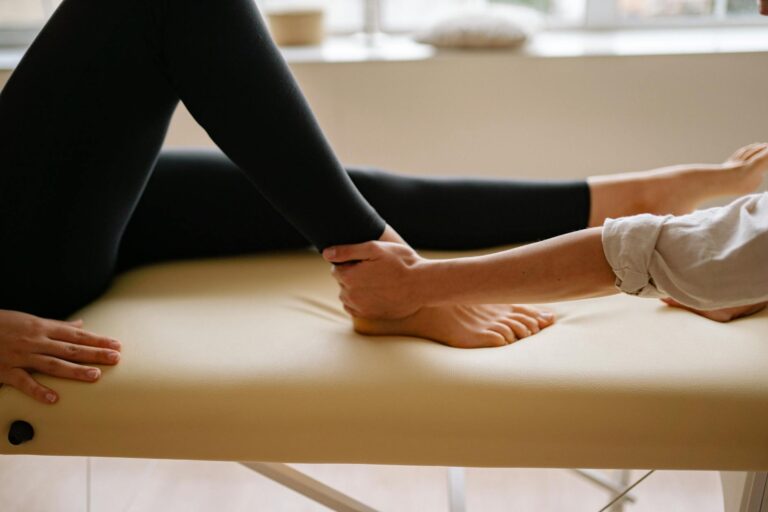
The good news is that pelvic instability responds well to conservative, multimodal treatment combining patient education, pelvic girdle stabilization exercises, stretching, and manual therapy. Patient education focuses on understanding movement patterns that aggravate symptoms and learning how to move in ways that maintain pelvic stability. Pelvic girdle stabilization training teaches your deep core and pelvic floor muscles to activate in the right sequence and intensity, restoring their ability to support the joint during movement.
Stretching addresses muscle tightness that contributes to joint stress, while manipulative therapy from physical therapists or chiropractors can address subtle joint alignment issues that perpetuate instability. Research indicates that pelvic belts—external supports worn around the pelvis—show particular benefit in postpartum patients with pelvic instability, providing mechanical support while you rebuild muscular stability. This demonstrates that pelvic instability is not simply a “weakness” problem but a coordination and support problem that sometimes benefits from external stability while your muscles relearn their stabilizing function. Modern approaches recognize that you cannot simply “strengthen” your way out of instability without also addressing movement patterns, breathing coordination, and the balance between tension and relaxation in your pelvic floor muscles.
Conclusion
Pelvic instability manifests through ten primary symptoms—lower back pain, numbness, tingling, weakness, pelvic and buttock pain, hip and groin pain, leg instability, suprapubic pain, sleep disruption, and activity-triggered pain—all stemming from compromised sacroiliac joint stability and pelvic floor dysfunction. Because 15 to 30 percent of chronic lower back pain originates from pelvic instability, and because this condition can progress to joint degeneration if left untreated, early recognition and intervention are critical. If you recognize several of these symptoms in your own experience, the next step is to consult with a healthcare provider who can assess your specific pattern of dysfunction and recommend appropriate conservative treatment.
The encouraging reality is that pelvic instability is highly responsive to multimodal conservative care that combines stabilization exercises, stretching, movement retraining, and sometimes external pelvic support. By addressing the issue early—before structural joint damage occurs—most people can restore stability, resolve pain, and return to full activity. For those concerned about the cognitive impacts of chronic pain and sleep disruption on brain health, treating pelvic instability represents an opportunity to improve both physical function and quality of sleep, which in turn supports cognitive resilience.