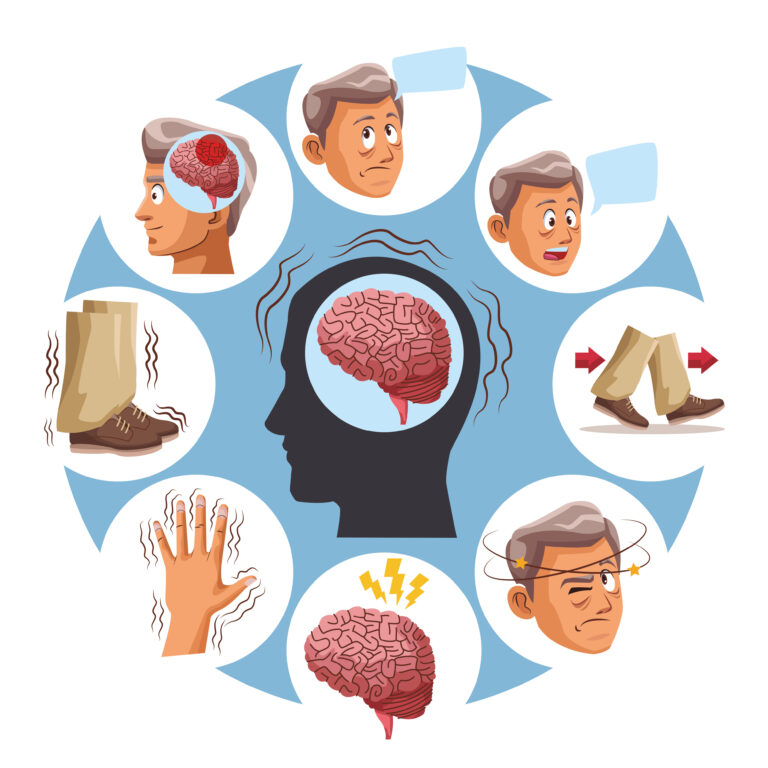
### Why Your Smartwatch Might Know You’re Developing Dementia Before You Do
In recent years, smartwatches have become more than just fashion accessories. They can track your physical activity, heart rate, and even sleep patterns. But did you know that these devices might also be able to detect early signs of dementia? Let’s dive into how this works and what it means for our understanding of this complex condition.
#### How Smartwatches Track Health
Smartwatches are equipped with sensors that continuously monitor various aspects of your health. For instance, they can track your heart rate, the number of steps you take, and how well you sleep. This data is then used to create a detailed picture of your overall health.
#### Predicting Dementia
A recent study published in the journal *Cell* used data from over 5,000 adolescents to train artificial intelligence models. These models were designed to predict whether individuals had different psychiatric illnesses, including ADHD and anxiety. The study found that heart rate was the most important measure for predicting ADHD, while sleep quality and stage were more important for identifying anxiety[1].
The researchers also discovered that smartwatch data could provide insights into how physical and behavioral patterns relate to different psychiatric illnesses. This means that smartwatches might be able to detect subtle changes in your behavior and physiological responses that could indicate the early stages of dementia.
#### The Role of Digital Phenotypes
The study introduced the concept of a “digital phenotype,” which refers to traits that can be measured and tracked using digital tools like smartwatches. By analyzing this data, researchers can identify patterns that might not be immediately apparent through traditional diagnostic methods.
For example, changes in heart rate or sleep patterns could signal underlying issues related to dementia. This approach bridges the gap between disease and genetics, providing a more comprehensive understanding of psychiatric illnesses.
#### Early Detection and Prevention
While smartwatches are not a definitive diagnostic tool for dementia, they can serve as an early warning system. By monitoring your daily activities and physiological responses, they might alert you to potential health issues before they become severe.
Preventing dementia involves a combination of lifestyle changes and medical interventions. Regular exercise, a healthy diet, and staying mentally active are all recommended to reduce the risk of developing dementia[4]. Early detection allows for timely interventions that can slow down the progression of the disease.
#### Medical Alert Systems for Dementia
For those already diagnosed with dementia, medical alert systems are crucial for ensuring safety. These systems include wearable devices like the Kanega Watch, which includes fall detection without additional fees, and the Lively Mobile2, which offers robust app features for caregivers[3][5].
These devices not only provide emergency alerts but also allow caregivers to track their loved ones’ movements and activities. This level of monitoring can help prevent falls and ensure that daily tasks are completed.
### Conclusion
Smartwatches are more than just fashion accessories; they are powerful tools for monitoring our health. By analyzing the data they collect, researchers can identify early signs of dementia. While smartwatches are not a definitive diagnostic tool, they can serve as an early warning system, prompting individuals to take preventive measures.
Understanding the role of digital phenotypes in detecting psychiatric illnesses highlights the potential of wearable technology in healthcare. As we continue to advance in this field, we may see even more sophisticated tools for early detection and prevention of diseases like dementia.