**Understanding Globophobia: The Fear of Balloons and Its Connection to Auditory Sensitivity**
Have you ever felt a sudden surge of anxiety when you see a balloon? Maybe the sound of a balloon popping makes you shudder. This fear is known as globophobia, and it’s more common than you might think. But what makes this fear so intense, and how is it connected to auditory sensitivity?
### What is Globophobia?
Globophobia is an intense and irrational fear of balloons. It can be triggered by the sight, sound, or even the thought of balloons. For people with this phobia, the anticipation of a balloon popping can cause significant anxiety. This anxiety might manifest as sweating, a rapid heartbeat, or even avoidance of parties and events where balloons are present[1].
### The Role of Auditory Sensitivity
Auditory sensitivity refers to how sensitive you are to sounds. For individuals with globophobia, the sound of a balloon popping can be particularly distressing. This sensitivity can be linked to several factors:
1. **Traumatic Experiences**: Sometimes, people develop a fear of balloons after a traumatic experience, such as being startled by a balloon bursting during childhood. This early exposure can shape their auditory sensitivity and make them more reactive to similar sounds in the future[1].
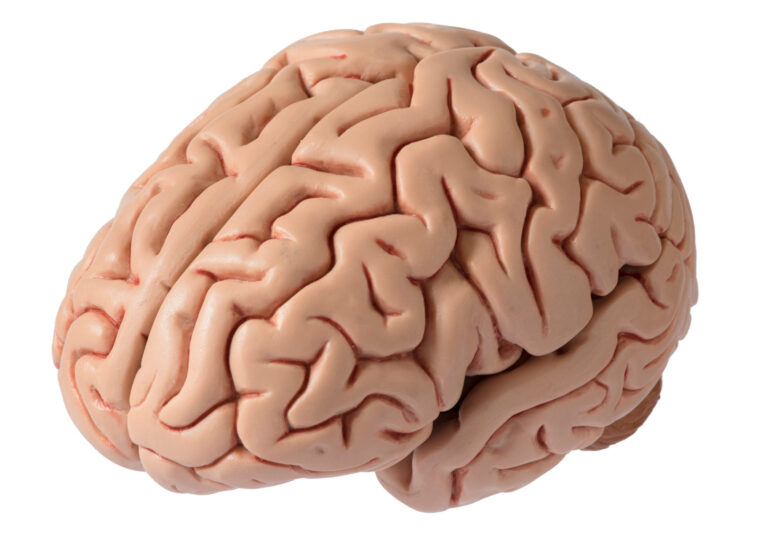
2. **Brain Function**: Our brains are wired to respond to potential threats, and the sound of a balloon popping can trigger this response. The brain’s inability to distinguish between harmless and threatening sounds can lead to an automatic fear response[4].
3. **Genetic Factors**: Some people may be more prone to developing phobias due to genetic factors. If family members have similar fears, it could increase the likelihood of passing on the fear through learned behavior or genetics[4].
### Red Flags for Auditory Sensitivity
While globophobia is a specific phobia, it shares some commonalities with other conditions related to auditory sensitivity. Here are some red flags that might indicate a deeper issue:
1. **Unusual Reactions to Sounds**: If you find yourself excessively reacting to certain sounds, such as the popping of balloons, it could be a sign of an underlying issue. This reaction might be more than just a phobia; it could be a symptom of a broader auditory sensitivity problem[5].
2. **Impact on Daily Life**: If your fear of balloons is affecting your daily life, such as causing significant anxiety or avoidance behaviors, it’s important to seek help. Cognitive-behavioral therapy (CBT) and gradual exposure therapy can help individuals confront and manage their fears effectively[1].
### Conclusion
Globophobia, or the fear of balloons, is a complex phobia that can be deeply connected to auditory sensitivity. Understanding the role of traumatic experiences, brain function, and genetic factors can help us better grasp why this fear is so intense. If you find yourself struggling with an unusual fear of balloons or other sounds, it’s important to seek professional help. By addressing these issues, you can learn to manage your fears and live a more comfortable life.
Remember, it’s never too late to seek help and overcome your fears. Whether it’s globophobia or another phobia, there are treatments available to help you manage your anxiety and live a more normal life.