We often find ourselves holding back what we really want to say in social situations. This act of self-censorship happens for many reasons, and understanding why can help us see how it shapes our interactions and feelings.
One big reason we self-censor is the fear of being judged or rejected by others. Humans are social creatures who naturally want to fit in and be accepted. When we sense that our thoughts or opinions might upset someone or make us stand out negatively, we tend to stay quiet or soften our words. This helps avoid conflict, embarrassment, or exclusion from the group.
Another factor is uncertainty about what is considered acceptable in a particular setting. Social norms—unwritten rules about behavior—guide how people expect others to act and speak. If we’re unsure whether an idea will be welcomed, especially if it challenges popular views, we might choose silence instead of risking disapproval.
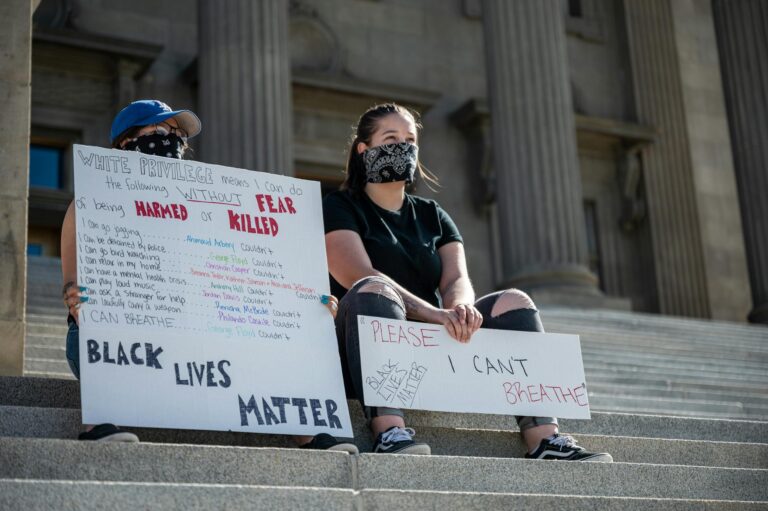
Sometimes self-censorship comes from internal pressures rather than just external ones. People may have absorbed negative messages about themselves through culture or past experiences that make them doubt their own worthiness to speak up. This internalized oppression can cause individuals from marginalized groups to censor themselves more frequently because they anticipate dismissal or hostility even before expressing their thoughts.
The rise of polarized political climates also plays a role in why people hold back opinions publicly. When society feels divided into opposing camps with little middle ground, sharing a minority viewpoint can feel risky—it might lead not only to disagreement but also social alienation.
In environments like universities or workplaces where certain ideas dominate strongly held beliefs, individuals often self-censor out of concern for professional consequences such as damage to reputation or career prospects.
This tendency isn’t just about avoiding trouble; it affects creativity and honest communication too. When people don’t feel free to express themselves fully, frustration builds up internally because they cannot share their true perspectives openly.
Ultimately, self-censorship acts as a kind of social survival mechanism—a way for people to navigate complex interpersonal dynamics without burning bridges—but it comes at the cost of genuine dialogue and personal authenticity that enrich human connection on deeper levels.