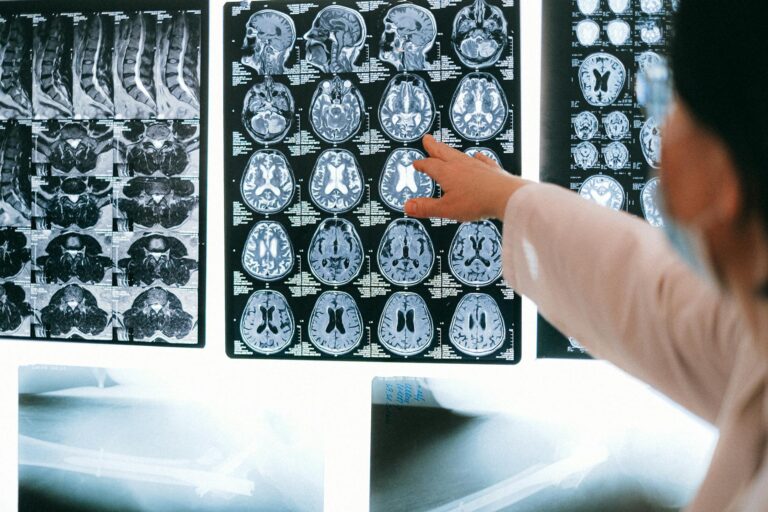
Some patients forget how to use stairs due to a combination of neurological, cognitive, and physical factors that disrupt the complex coordination required for stair navigation. Using stairs is not a simple task; it involves precise timing, balance, muscle strength, and the brain’s ability to coordinate these actions automatically. When any part of this system is impaired, patients may struggle or even forget the sequence of movements needed to climb or descend stairs safely.
The brain plays a central role in stair use. It must integrate sensory information—like vision, balance from the inner ear, and proprioception (awareness of body position)—and send signals to muscles to move in a coordinated way. Conditions that affect the brain, such as stroke, dementia, Parkinson’s disease, or other neurological disorders, can disrupt this integration. For example, in dementia, the loss of memory and cognitive function can extend to motor planning, meaning the patient may not remember or recognize the steps involved in stair climbing. Similarly, after a stroke, damage to motor areas or pathways can impair muscle control and coordination, making stair use difficult or confusing.
Physical weakness also contributes significantly. Stair climbing demands strength, especially in the legs and core muscles, as well as good balance. Aging, prolonged inactivity, or illnesses can cause muscle atrophy and reduce reflexes, making the act of climbing stairs feel unfamiliar or overwhelming. When muscles are weak or reflexes slow, the automatic, fluid motion of stair climbing breaks down, and patients may hesitate, lose balance, or forget the rhythm of stepping up and down.
Another factor is the loss of automaticity. Normally, stair climbing becomes an automatic motor skill after repeated practice, requiring little conscious thought. But when neurological function declines, patients may lose this automatic control and need to consciously think through each step. This increased cognitive load can be confusing or exhausting, leading to hesitation or forgetting how to proceed.
Fear and anxiety also play a role. If a patient has experienced a fall or near-fall on stairs, they may develop a fear of using them. This fear can cause hesitation, disrupt normal movement patterns, and even lead to avoidance, which further weakens muscles and balance, creating a vicious cycle.
In some cases, sensory deficits such as poor vision or impaired vestibular function (balance system in the inner ear) make it difficult to judge the height and depth of steps, leading to missteps or confusion about how to place the feet. This sensory impairment can feel like forgetting how to use stairs because the patient cannot rely on the usual cues that guide safe stair navigation.
Medications and fatigue can also impair cognitive and motor function, making it harder for patients to perform complex tasks like stair climbing. When combined with other factors, this can lead to episodes where patients seem to forget how to use stairs.
In summary, forgetting how to use stairs is rarely a simple memory lapse. It is usually the result of multiple interacting problems: neurological damage affecting motor planning and coordination, muscle weakness and poor balance, loss of automatic motor control, sensory impairments, psychological factors like fear, and sometimes medication effects. Each of these disrupts the finely tuned system that allows us to climb stairs smoothly and safely. Understanding these factors is crucial for developing effective rehabilitation strategies, such as targeted physical therapy to rebuild strength and balance, cognitive therapy to improve motor planning, and environmental modifications to reduce risk and anxiety.