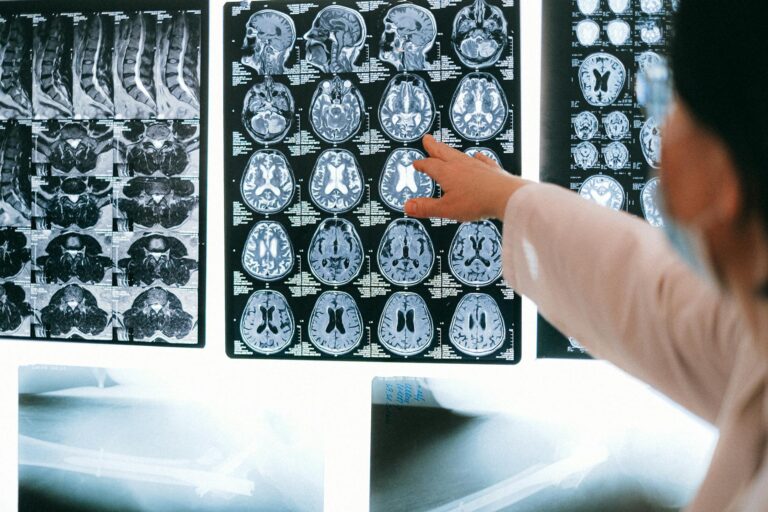
Mood swings are very common in people with dementia because the disease affects the brain areas responsible for controlling emotions, memory, and behavior. Dementia causes damage to brain cells and disrupts the normal communication between different parts of the brain, which leads to difficulty regulating feelings and reactions. This means that someone with dementia may suddenly feel angry, sad, anxious, or irritable without an obvious reason, and their emotions can change quickly and unpredictably.
One key reason for mood swings in dementia is the loss of control over emotional responses. The brain damage reduces the person’s ability to think clearly and process information, so they may overreact to situations or express feelings more intensely than before. For example, a small frustration might trigger a strong outburst or tearfulness because the person cannot manage their feelings as they used to. This can also make them seem unusually distant or uninterested at times, as their emotional expression becomes inconsistent.
Another important factor is that people with dementia often struggle with memory loss and confusion, which can be very upsetting. They may forget familiar faces, places, or recent events, leading to feelings of insecurity and fear. This emotional distress can cause rapid mood changes as they try to make sense of their surroundings. They might become suspicious, withdrawn, or easily upset because they don’t fully understand what is happening around them.
Dementia can also affect a person’s self-esteem and confidence. As they lose abilities they once had, such as managing daily tasks or making decisions, they may feel frustrated, helpless, or embarrassed. This loss of independence and the stigma sometimes associated with dementia can deepen feelings of sadness or irritability, contributing further to mood swings.
In some types of dementia, such as frontotemporal dementia, damage to the frontal lobes of the brain can cause a loss of inhibitions. This means the person may behave in ways that seem socially inappropriate or out of character, such as making rude comments or acting impulsively. These behaviors can be confusing and upsetting both for the person with dementia and for those around them, and they often reflect the brain’s impaired ability to regulate emotions and social behavior.
Mood swings can also be triggered by unmet needs or physical discomfort that the person with dementia cannot easily communicate. For example, pain, hunger, fatigue, or the need for social interaction might cause agitation or irritability. Because dementia affects communication skills, the person may express these needs through changes in mood or behavior rather than words.
Carers and family members often find mood swings challenging to manage, but understanding that these emotional changes are caused by brain damage rather than intentional behavior can help. Providing a calm, supportive environment, offering reassurance, and trying to identify and meet the person’s needs can reduce distress and help stabilize mood. Encouraging activities that the person enjoys and maintaining social connections can also improve emotional well-being.
In summary, mood swings in dementia arise because the disease disrupts the brain’s ability to regulate emotions, impairs memory and understanding, lowers self-confidence, and sometimes causes loss of social inhibitions. These changes, combined with physical discomfort or unmet needs, lead to rapid and unpredictable shifts in mood that are a hallmark of the condition.