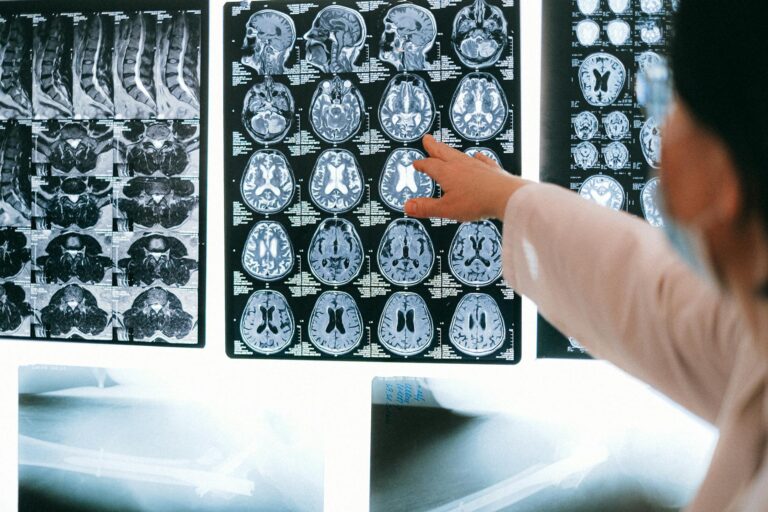
The Mini-Mental State Examination (MMSE) is a widely used tool to assess cognitive function, including memory, attention, orientation, and language skills. However, MMSE results can vary significantly depending on a person’s stress level. Stress impacts the brain and cognitive performance in several ways, leading to fluctuations in MMSE scores that may not necessarily reflect permanent changes in cognitive ability.
Stress triggers a complex physiological response involving the release of stress hormones like cortisol. Elevated cortisol levels, especially when chronic, can impair brain regions critical for memory and cognition, such as the hippocampus and prefrontal cortex. This hormonal surge can temporarily reduce attention span, slow information processing, and disrupt working memory, all of which are essential for performing well on the MMSE. When a person is stressed, their ability to concentrate and recall information may be compromised, causing lower MMSE scores even if their baseline cognitive function is intact.
Moreover, stress often leads to emotional disturbances such as anxiety and depression, which themselves can negatively affect cognitive performance. Anxiety can cause distractibility and difficulty focusing, while depression is associated with slowed thinking and memory problems. These mood changes can further reduce MMSE scores by interfering with the mental clarity and motivation needed to complete the test accurately.
Another factor is that stress can disrupt sleep quality and quantity. Poor sleep impairs cognitive functions like attention, memory consolidation, and executive functioning. Since the MMSE relies on these cognitive domains, a person who is sleep-deprived due to stress may perform worse on the test. This effect can be transient, improving once sleep patterns normalize.
Stress also affects neurochemical balance in the brain, altering neurotransmitters such as dopamine and serotonin, which play roles in mood regulation and cognitive processes. These neurochemical changes can lead to fluctuations in cognitive abilities, again influencing MMSE results.
Importantly, the MMSE is a snapshot of cognitive function at a single point in time. Because stress levels can vary day to day or even hour to hour, MMSE scores can fluctuate accordingly. This variability means that a low MMSE score during a stressful period might not indicate true cognitive decline but rather a temporary impairment due to stress.
In addition, individual differences in stress resilience and coping strategies affect how stress impacts cognition. Some people may maintain stable cognitive performance under stress, while others experience significant declines. Factors such as personality, social support, and prior mental health history play roles in this variability.
Finally, the testing environment itself can induce stress. Being evaluated, especially in a clinical setting, can provoke anxiety that affects performance. This “test anxiety” can lead to underperformance on the MMSE, further complicating interpretation of results.
In summary, MMSE results can vary depending on stress because stress affects brain function through hormonal, emotional, sleep-related, and neurochemical pathways. These effects can temporarily impair attention, memory, and executive function, leading to fluctuating cognitive test scores. Understanding this variability is crucial for clinicians to avoid misinterpreting transient stress-related cognitive changes as permanent decline.