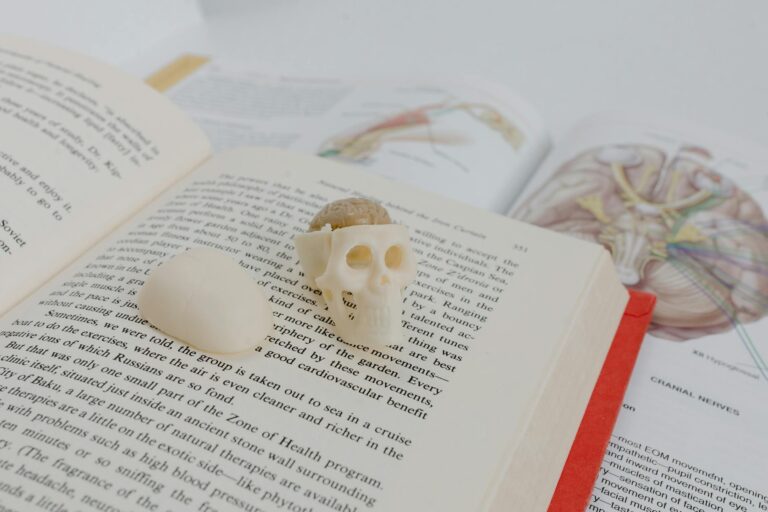
Dementia can cause people to experience hallucinations and delusions, including believing they need to care for pets that aren’t actually there. This is a common occurrence for many individuals with dementia.
As the disease progresses, it affects areas of the brain responsible for perception and memory. This can lead to false beliefs or seeing things that aren’t real. For someone with dementia, these invisible pets may seem very real and present.
Caring for pets, even imaginary ones, can provide a sense of purpose and routine for people with dementia. It allows them to feel needed and responsible. The act of “feeding” these pets may be comforting and familiar, especially if they had real pets earlier in life.
It’s generally not helpful to argue with someone who has dementia about these false beliefs. Doing so may cause distress or agitation. Instead, it’s often better to gently redirect their attention or find safe ways for them to engage in nurturing behaviors.
Some caregivers provide stuffed animals as substitutes that can be “fed” and cared for. This allows the person with dementia to fulfill their desire to nurture without any safety concerns of overfeeding real animals.
If the behavior becomes disruptive or poses any risks, it’s important to consult with their doctor. They may be able to adjust medications or suggest other strategies to manage hallucinations and delusions.
Remember, even though these pets aren’t real, the feelings and needs they represent for your mother are very real to her. Approaching the situation with patience and understanding can help maintain her sense of dignity and emotional well-being.