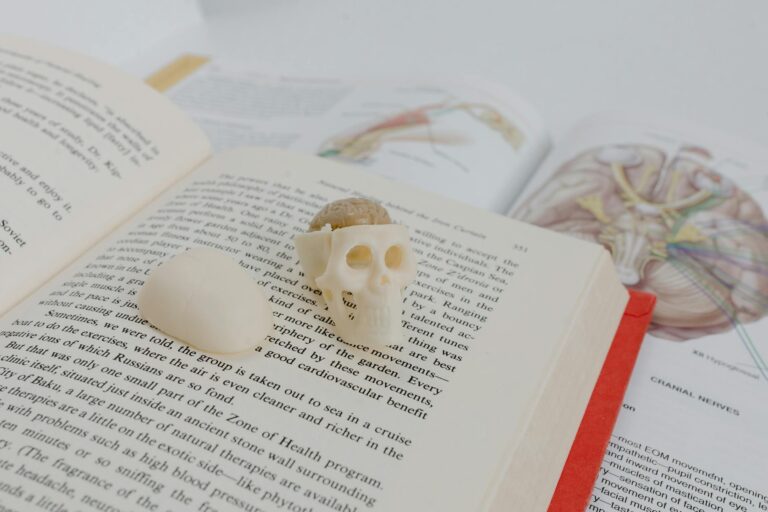
Grandpa’s Childhood Home: A Journey Through Time and Memory
Have you ever wondered why your grandfather with dementia insists his childhood home is just around the corner, even though you know it’s not? This common occurrence can be both puzzling and heartwarming for families dealing with dementia.
As our loved ones age, their brains undergo changes that affect memory and perception. For those with dementia, these changes can be more pronounced, leading to a blending of past and present. Your grandfather’s conviction about his childhood home being nearby is likely due to how dementia impacts the brain’s ability to process time and place.
In dementia, recent memories often fade first, while older memories remain vivid. This means your grandfather’s childhood memories might feel more real and present to him than events from last week. His brain is essentially time-traveling, bringing those distant memories to the forefront and making them feel current.
Additionally, dementia can affect spatial awareness. Your grandfather’s sense of distance and location might be distorted, causing him to believe familiar places from his past are closer than they actually are. This isn’t him being difficult or confused – it’s simply how his brain is interpreting the world around him.
It’s also worth noting that as dementia progresses, some individuals may seek comfort in familiar memories. Your grandfather’s insistence on his childhood home being nearby could be his way of finding security and stability in an increasingly confusing world.
While it might be tempting to correct your grandfather, it’s often more beneficial to engage with his memories positively. Ask him about his childhood home, what it looked like, and his favorite memories there. This approach can provide comfort and stimulate positive emotions.
Remember, your grandfather isn’t trying to be difficult or stubborn. His brain is simply processing information differently now. By understanding this, you can respond with patience and compassion, making your interactions more positive for both of you.
Dealing with a loved one’s dementia can be challenging, but it also offers unique opportunities to connect with their past and create new, meaningful moments together. So next time your grandfather mentions his childhood home, take a moment to join him on his journey through memory lane. You might be surprised by the stories and connections you discover along the way.